The Verdict
The Nerdiction verdict: The Last of Us Review: An Emotional Masterpiece of the Apocalypse is outstanding and receives 95 out of 100 points.
Pro
- Exceptional character development and emotional storytelling
- Perfectly balanced survival mechanics with resource scarcity
- Outstanding voice acting and audio design
Contra
- Occasional AI issues with companion NPCs
- Some repetitive gameplay sections in the middle act
- Controls can feel sluggish initially
The Last of Us Review: An Emotional Masterpiece of the Apocalypse
Table of Contents
- Introduction
- Story and Characters
- Gameplay Mechanics
- Graphics and Atmosphere
- Audio Design
- Multiplayer Mode
- Conclusion
Introduction
Naughty Dog has crafted something truly special with "The Last of Us" – a work that redefines the boundaries between video games and emotional storytelling. This survival action-adventure experience transports players into a post-apocalyptic world ravaged by a fungal infection. What could have been just another zombie game evolves into a profound meditation on humanity, loss, and the lengths we'll go to protect those we love.
Story and Characters
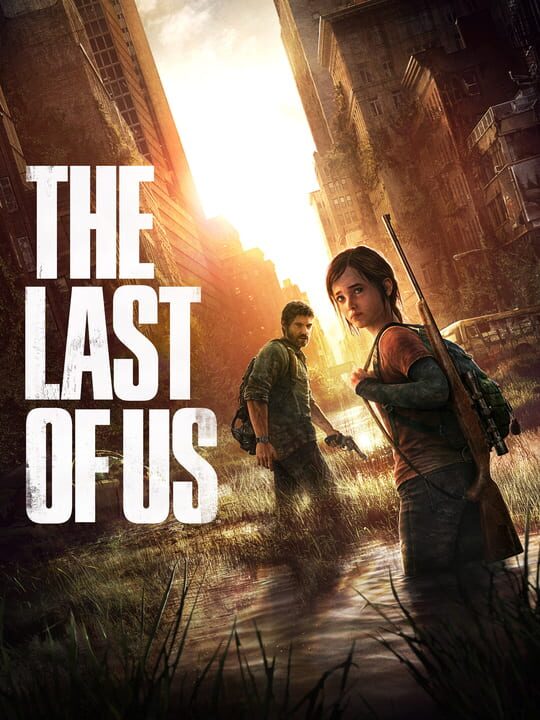
The narrative of "The Last of Us" is undoubtedly the game's beating heart. The story follows Joel Miller, a broken man who, twenty years after the Cordyceps pandemic outbreak, must escort 14-year-old Ellie across the United States. What superficially appears to be a standard escort mission unfolds as an emotional rollercoaster of extraordinary depth.
The character development is masterfully crafted. Joel isn't your typical hero – he's a man scarred by loss who has made morally questionable decisions to survive. Ellie, conversely, represents hope and innocence in a world that has long abandoned both concepts. Their relationship develops organically from mutual distrust to a father-daughter bond that forms the emotional backbone of the entire game.
The supporting cast is equally well-developed, from the militaristic Marlene to the tragic Bill. Each character feels authentic and serves a purpose in the larger narrative, contributing to a world that feels lived-in and real.
Gameplay Mechanics
The gameplay of "The Last of Us" is a skillful blend of stealth, survival horror, and third-person action. Resource scarcity sits at the core of the player experience – every bullet, every health kit, and every crafting material must be carefully managed. This scarcity significantly amplifies tension and forces players to find creative solutions.
The stealth system is intuitive and rewarding. Players can choose between direct confrontation and silent approaches, with the latter often being the wiser choice. The various infected types – from the blind but sound-sensitive Clickers to the devastating Bloaters – each require different tactical approaches.
The crafting system is elegant in its simplicity. With a few basic materials, players can create vital items like Molotov cocktails, first aid kits, or improvised bombs. This mechanic reinforces the feeling of surviving in a world where every object could prove valuable.
Combat feels weighty and impactful. Every encounter carries genuine stakes due to the resource management system. The infected enemies are genuinely terrifying, while human opponents present complex moral considerations that add layers to every confrontation.
Graphics and Atmosphere
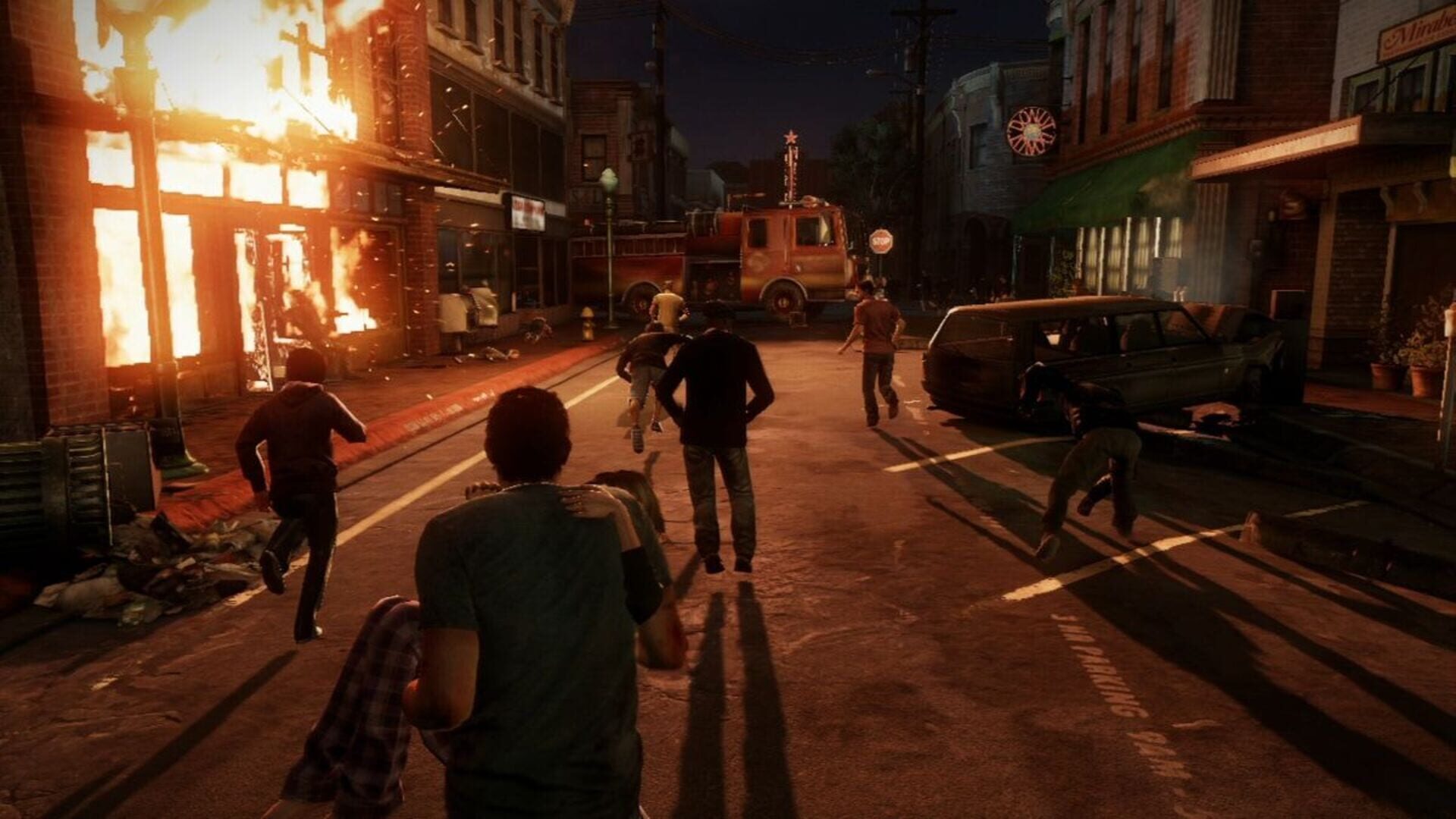
Visually, "The Last of Us" remains impressive even today. The depiction of a civilization reclaimed by nature is breathtaking – overgrown highways, fungus-infested buildings, and abandoned cities tell silent stories of decay. The character models are exceptionally detailed for PS3 standards, particularly the facial animations during cutscenes.
The environmental design serves not just aesthetics but also gameplay. Every level feels authentic – from claustrophobic underground tunnels to sprawling, dangerous outdoor areas. Lighting plays a crucial role in atmosphere while simultaneously influencing stealth mechanics.
The attention to environmental storytelling is remarkable. Players can piece together stories of the outbreak and its aftermath through careful observation of the world around them, creating a sense of discovery that extends beyond traditional gameplay mechanics.
Audio Design
The audio design of "The Last of Us" is simply exceptional. Gustavo Santaolalla's melancholic soundtrack enhances emotional moments without ever becoming intrusive. The sparse use of music makes every musical moment more impactful.
The voice acting, led by Troy Baker (Joel) and Ashley Johnson (Ellie), sets new standards for video game performances. Their chemistry is palpable, and their performances give the characters an authenticity rarely achieved in video games.
Environmental audio plays a crucial role in gameplay. The characteristic clicking of Clicker-infected isn't just atmospheric but gameplay-relevant, helping players locate and avoid these dangerous enemies. The sound design creates an audio landscape that's both beautiful and terrifying.
Multiplayer Mode
The "Factions" multiplayer mode is a pleasant surprise. It successfully translates the survival aspects of the main game into the competitive arena. Matches are slower and more strategic than typical third-person shooters, perfectly matching the game's atmosphere.
The meta-level where players must manage a group of survivors adds additional depth to the multiplayer. Performance in matches affects the survival of the virtual community, creating strong incentives for continued play.
The modes themselves – Supply Raid and Survivors – emphasize teamwork and strategic thinking over twitch reflexes, creating a multiplayer experience that feels cohesive with the single-player campaign.
Conclusion
"The Last of Us" is more than just a video game – it's an interactive narrative that fully exploits the possibilities of the medium. Naughty Dog has proven that video games can tell stories just as emotional and meaningful as film or literature.
The technical excellence, coupled with exceptional storytelling and thoughtful gameplay mechanics, makes "The Last of Us" a timeless masterpiece. It's a game that will change every player who experiences it – a rare feat in an industry often dominated by sequels and repetition.
This is essential gaming – a title that demonstrates the artistic potential of video games while delivering an unforgettable experience that lingers long after the credits roll.
System Requirements
Minimum
Recommended
Das könnte dich auch interessieren
Weitere Reviews aus der Kategorie game.

GridBeat! – Rhythmische Hack & Slash‑Abenteuer im Mainframe
Inhaltsverzeichnis [Einleitung]( einleitung) [Gameplay & Mechaniken]( gameplay mechaniken) [Grafik & Sound]( grafik sound) [Story & Atmosphäre]( story…

Ranger’s Path: National Park Simulator – Ein tiefgehender Review
Inhaltsverzeichnis\n [Einleitung]( einleitung)\n [Gameplay & Mechaniken]( gameplay mechaniken)\n [Grafik & Sound]( grafik sound)\n [Benutzeroberfläche…

King of Conquerors - Ein Strategisches Rollenspielabenteuer der Extraklasse
Inhaltsverzeichnis 1. [Einleitung]( einleitung) 2. [Gameplay und Mechaniken]( gameplay und mechaniken) 3. [Storytelling und Charakterentwicklung]( sto…
Frequently Asked Questions
How good is The Last of Us Review: An Emotional Masterpiece of the Apocalypse?
The Last of Us Review: An Emotional Masterpiece of the Apocalypse wurde von Nerdiction mit 95 von 100 Punkten bewertet und ist damit outstanding.
What are the pros of The Last of Us Review: An Emotional Masterpiece of the Apocalypse?
The advantages of The Last of Us Review: An Emotional Masterpiece of the Apocalypse: Exceptional character development and emotional storytelling, Perfectly balanced survival mechanics with resource scarcity, Outstanding voice acting and audio design, Atmospheric graphics with impressive environmental design, Well-crafted multiplayer mode with genuine depth.
What are the cons of The Last of Us Review: An Emotional Masterpiece of the Apocalypse?
The disadvantages of The Last of Us Review: An Emotional Masterpiece of the Apocalypse: Occasional AI issues with companion NPCs, Some repetitive gameplay sections in the middle act, Controls can feel sluggish initially, Limited weapon variety compared to other shooters, Some clipping issues during interactions.
Is The Last of Us Review: An Emotional Masterpiece of the Apocalypse worth it?
Yes. The Last of Us Review: An Emotional Masterpiece of the Apocalypse received a score of 95/100 points and is outstanding.
Diskussion
Ich finde die Bewertung von 95 Punkten absolut gerechtfertigt – die emotionale Tiefe der Charaktere und das Audio‑Design machen das Spiel zu einem echten Meisterwerk. Besonders beeindruckt hat mich, wie die Umgebung nicht nur schön, sondern auch narrativ wirkt. Das Spiel fühlt sich an wie ein Film, den man immer wieder anschauen möchte.
Die ausgeglichene Survival‑Mechanik mit knappen Ressourcen ist ein Highlight. Ich habe mich oft gezwungen gefühlt, strategisch zu denken, anstatt einfach zu schießen. Der Multiplayer‑Modus bietet zudem echte Tiefe, die ich bei anderen Titeln selten finde. Alles in allem ein sehr solides, durchdachtes Erlebnis.
Ich habe die KI-Probleme bei den Begleitern und die gelegentlichen Clipping‑Fehler bemerkt, aber das hat meine Erfahrung nicht stark beeinträchtigt. Die repetitive Phase in der Mitte war zwar etwas lang, aber die Gesamtstimmung und die Grafik haben das ausbalanciert. Insgesamt ein solides Spiel, das man trotzdem empfehlen kann.