The Verdict
The Nerdiction verdict: Spartacus: House of Ashur – An Ambitious Return to the Arena is satisfactory and receives 62 out of 100 points.
Pro
- Fascinating 'what-if' concept with Ashur as protagonist
- Achillia is a strong and captivating new main character
- Impressive fight choreography and action sequences
Contra
- Unbalanced pacing and structural issues
- Supporting character development too superficial
- Doesn't achieve the emotional depth of predecessor series
Details
December 5, 2025
1
10
6.2
/ 10(108 votes)153.1
Genres
Production Companies
Production Countries
Spoken Languages
Spartacus: House of Ashur – An Ambitious Return to the Arena
Table of Contents
- Introduction
- Plot and Core Concept
- Character Development
- Direction and Staging
- Visual Design and Cinematography
- Action Choreography
- Production Values and Series Structure
- Conclusion
Introduction
After more than a decade, the Spartacus franchise returns with "House of Ashur," attempting a fascinating "what-if" scenario. Lionsgate Television takes us into an alternative timeline where the cunning Ashur not only survived but now runs his own ludus as dominus. This premise promises a fresh perspective on the established universe, but can the series live up to the legacy of its predecessors?
Plot and Core Concept
The concept behind "House of Ashur" is undeniably intriguing: Ashur, once the scheming gladiator turned traitor, gets a chance at redemption – or does he merely sink deeper into corruption and lust for power? The series explores this duality with remarkable ambiguity. Seeing Ashur as dominus, now pulling the strings, offers an interesting reversal of power dynamics that fans of the original series will recognize.
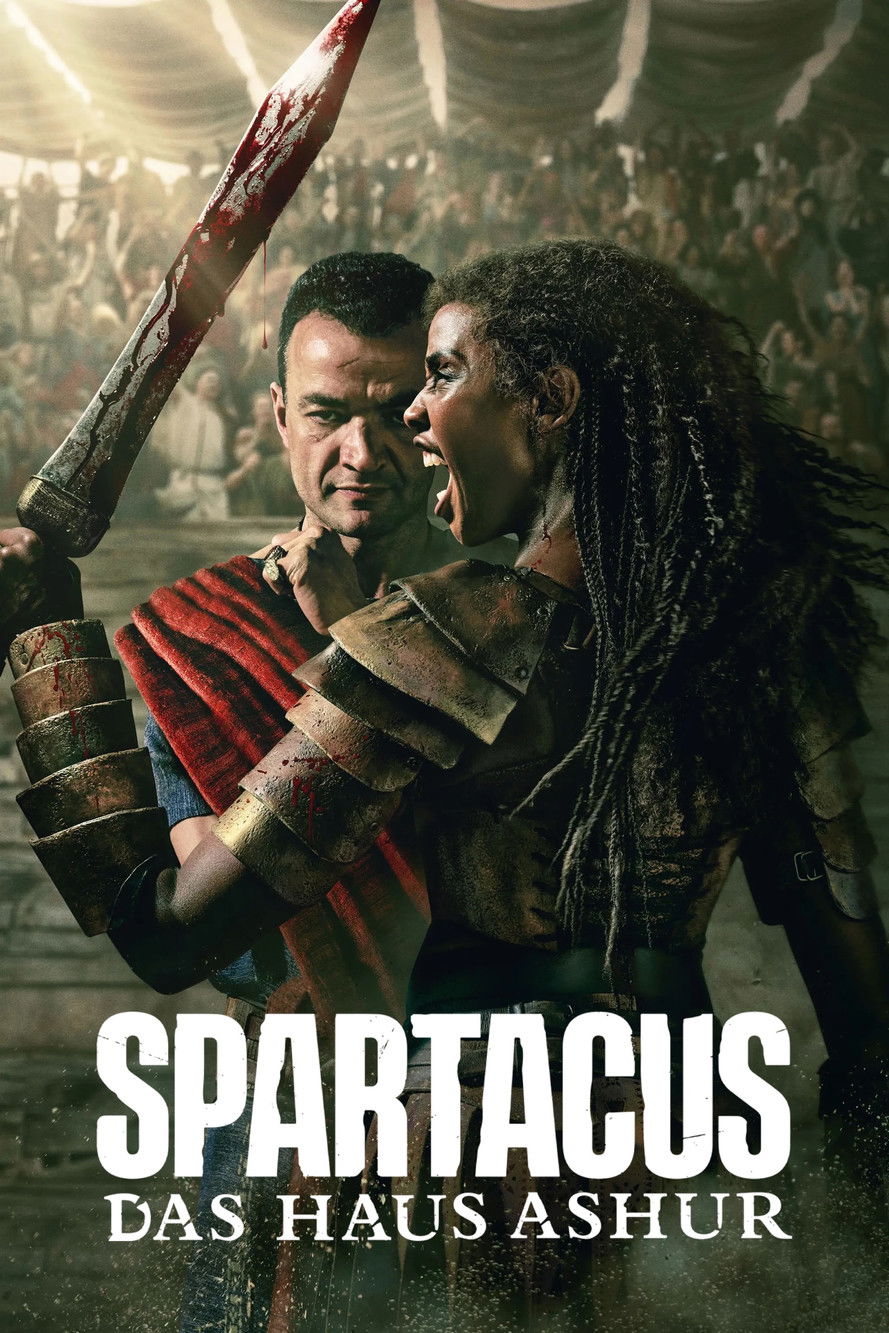
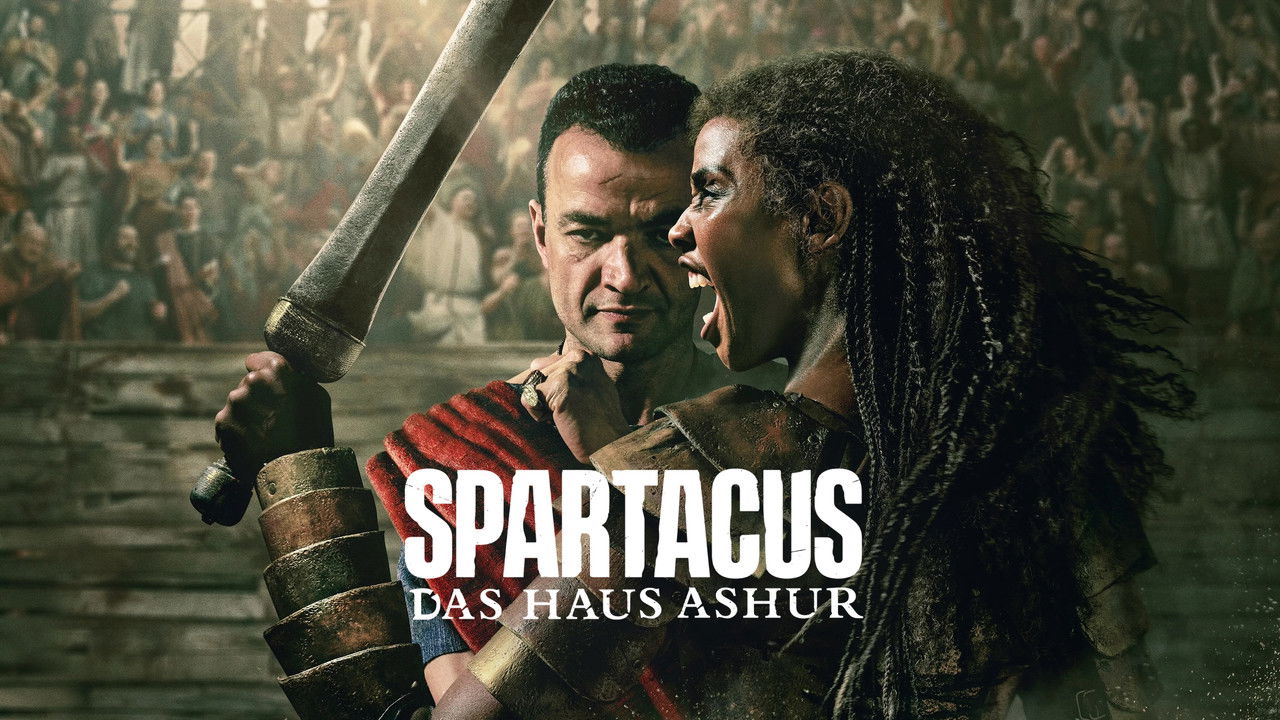
The introduction of Achillia as the central gladiatrix is a clever move. Her dynamic with Ashur creates an entirely new constellation that encompasses both mentorship and rivalry. The first season's ten episodes use this relationship as an emotional backbone while political intrigue in Rome drives the larger narrative forward.
Character Development
Establishing Ashur as protagonist is a daring undertaking. The series visibly struggles with making a former antagonist sympathetic without diluting his characteristic traits. This balance is only partially achieved – sometimes Ashur's development feels too rushed or implausible.
Achillia, on the other hand, is a welcome addition to the Spartacus universe. As a female gladiator, she brings a new perspective to the arena, and her fights are choreographed with both brutality and elegance. Her backstory is gradually revealed, lending the character necessary depth.
The supporting characters suffer from the limited episode count, however. While some Roman senators and other gladiators show interesting potential, they often remain superficially developed.
Direction and Staging
The direction shows both strengths and weaknesses. In fight scenes and political dialogue, you can feel the legacy of the original series, yet the emotional depth that distinguished "Blood and Sand" or "War of the Damned" is often missing. The staging is competent but rarely inspired.
Particularly in the quieter moments between Ashur and Achillia, the series shows its potential. These scenes reveal a complexity that suits the series well, though it's not consistently maintained throughout.
Visual Design and Cinematography
Visually, "House of Ashur" remains faithful to the established style. The oversaturated colors, dramatic lighting effects, and cinematic brutality are all present. However, much feels like a copy without the innovative force of the original series.
The camera work in arena scenes is quite impressive, with dynamic angles and movement that captures the intensity of combat. In the political scenes in Rome, however, visual sophistication is often lacking.
Action Choreography
The fight choreography is undoubtedly a series highlight. The gladiatorial combat is brutal, elegant, and technically proficient. Particularly Achillia's fighting style, which combines speed with deadly precision, is visually stunning.
However, the fights rarely achieve the emotional resonance of the original series. While the technical execution is sound, the narrative foundation that would make each fight more than mere spectacle is often missing.
Production Values and Series Structure
With ten episodes, the series has sufficient time to tell its story, yet pacing problems are undeniable. Some episodes feel rushed while others seem drawn out. Production values are solid but don't quite reach the level of the predecessor series.
The series visibly struggles with its budget – while main sets are impressive, crowds often appear sparse, and some CGI effects are unfortunately noticeable.
Conclusion
"Spartacus: House of Ashur" is a respectable attempt to revive the beloved franchise. The series offers entertaining moments and interesting character dynamics but struggles with the weight of expectations and its own structural problems.
For fans of the original series, it's a welcome return to the world of Capua, even if it doesn't quite reach the heights of its predecessors. Newcomers might struggle to emotionally invest in the story without prior experience.
The series shows potential for future seasons, provided character development is deepened and narrative structure is tightened. "House of Ashur" is a solid, if not outstanding, contribution to the Spartacus universe.
Das könnte dich auch interessieren
Weitere Reviews aus der Kategorie series.

The WONDERfools
Eine Gruppe von Außenseitern erhält plötzlich Superkräfte und muss sich zusammenschließen, um gegen Bösewichte zu kämpfen, die den Weltfrieden im Jahr…

Berlin und die Dame mit dem Hermelin
Für einen neuen Coup holt Berlin die Gang nach Sevilla, um einen ehrgeizigen Herzog zum Opfer seines eigenen Plans zu machen: Er will ein da Vinci Wer…

Dutton Ranch
Die titelgebende Dutton Ranch, das Zuhause von Beth Dutton (Kelly Reilly) und ihrem Ehemann Rip Wheeler (Cole Hauser), steht für den Frieden, den sie …
Frequently Asked Questions
How good is Spartacus: House of Ashur – An Ambitious Return to the Arena?
Spartacus: House of Ashur – An Ambitious Return to the Arena wurde von Nerdiction mit 62 von 100 Punkten bewertet und ist damit satisfactory.
What are the pros of Spartacus: House of Ashur – An Ambitious Return to the Arena?
The advantages of Spartacus: House of Ashur – An Ambitious Return to the Arena: Fascinating 'what-if' concept with Ashur as protagonist, Achillia is a strong and captivating new main character, Impressive fight choreography and action sequences, Faithful to the visual style of the original series, Solid production values and authentic costumes/sets.
What are the cons of Spartacus: House of Ashur – An Ambitious Return to the Arena?
The disadvantages of Spartacus: House of Ashur – An Ambitious Return to the Arena: Unbalanced pacing and structural issues, Supporting character development too superficial, Doesn't achieve the emotional depth of predecessor series, Budget constraints visible in CGI and crowd scenes, Some turns in Ashur's character development feel implausible.
Is Spartacus: House of Ashur – An Ambitious Return to the Arena worth it?
Only conditionally. Spartacus: House of Ashur – An Ambitious Return to the Arena received a score of 62/100 points.
Diskussion
Kann der Review nur zustimmen - die Serie ist okay, aber erreicht nicht die emotionale Wucht von Blood and Sand oder War of the Damned. Ashur als Protagonist ist eine interessante Idee, aber manchmal wird seine Wandlung vom hinterhältigen Verräter zum 'Helden' etwas zu schnell abgehandelt. Die Kampfszenen sind aber wirklich gelungen!
62 Punkte ist meiner Meinung nach zu hart bewertet. Achillia allein macht die Serie sehenswert - endlich eine starke Gladiatorin im Mittelpunkt! Klar, das Budget ist nicht so hoch wie bei den Originalserien, aber für Spartacus-Fans ist das trotzdem ein Geschenk.
Stimmt, die CGI-Schwächen fallen schon auf, besonders in den Massenszenen. Trotzdem finde ich es mutig, mit Ashur so einen ambivalenten Charakter in den Fokus zu rücken. Das 'Was wäre wenn'-Konzept funktioniert größtenteils, auch wenn nicht alles überzeugt. Solide Unterhaltung für zwischendurch.
Ehrlich gesagt war ich skeptisch, ob eine Fortsetzung ohne die ursprünglichen Hauptcharaktere funktionieren kann. Nach den ersten Folgen bin ich geteilter Meinung - visuell stimmt alles, aber die emotionale Verbindung zu den neuen Figuren baut sich nur langsam auf. Vielleicht wird's noch besser.
Die strukturellen Probleme beim Pacing sind mir auch aufgefallen. Manche Episoden ziehen sich, dann passiert wieder alles auf einmal. Schade, weil das Grundkonzept wirklich spannend ist. Hoffe, dass sich das in einer möglichen zweiten Staffel verbessert.
Score von 62 passt gut. Die Serie hat definitiv ihre Momente - die Kampfchoreographie ist top und der visuelle Stil stimmt. Aber ja, an die Klasse der Vorgänger kommt sie nicht ran. Für Spartacus-Fans trotzdem ein Muss, würde ich sagen.