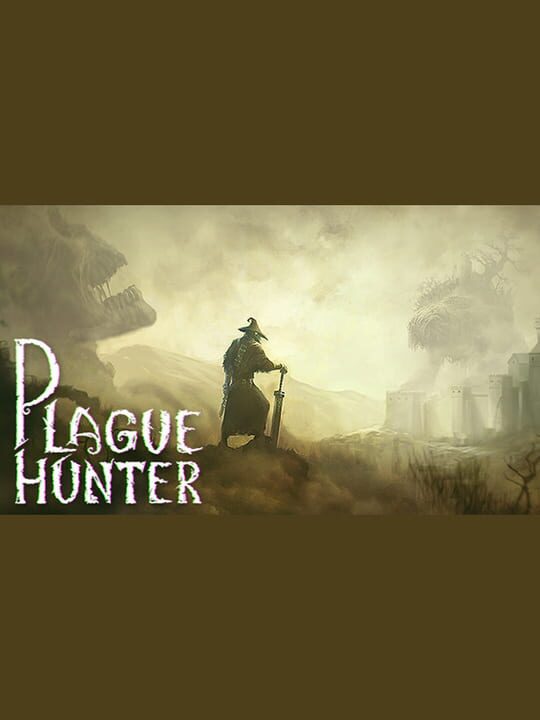
The Verdict
The Nerdiction verdict: Plague Hunter Review: Dark Fantasy Meets Precision Platforming is excellent and receives 82 out of 100 points.
Pro
- Well-designed combat system with successful sword-pistol combination
- Atmospheric pixel art graphics with fitting dark fantasy aesthetics
- Excellent soundtrack and immersive sound design
Contra
- Occasional technical bugs sometimes affect gameplay flow
- Story might be too subtle and restrained for some players
- Difficulty level could be off-putting for newcomers initially
Table of Contents
- Introduction
- Gameplay and Mechanics
- Graphics and Atmosphere
- Sound Design and Music
- Level Design and Progression
- Story and World Building
- Performance and Technical Aspects
- Conclusion
Introduction
In an era where the indie gaming landscape is dominated by creative experiments and nostalgic throwbacks, Plague Hunter ventures into the murky waters of dark fantasy platforming. Developed by a small but ambitious development team, this title promises a blend of precise jump-and-run gameplay with atmospheric horror action. After extensive hours navigating plague-ridden landscapes and zombie-infested ruins, we can now deliver a comprehensive verdict on this promising indie gem.
Gameplay and Mechanics
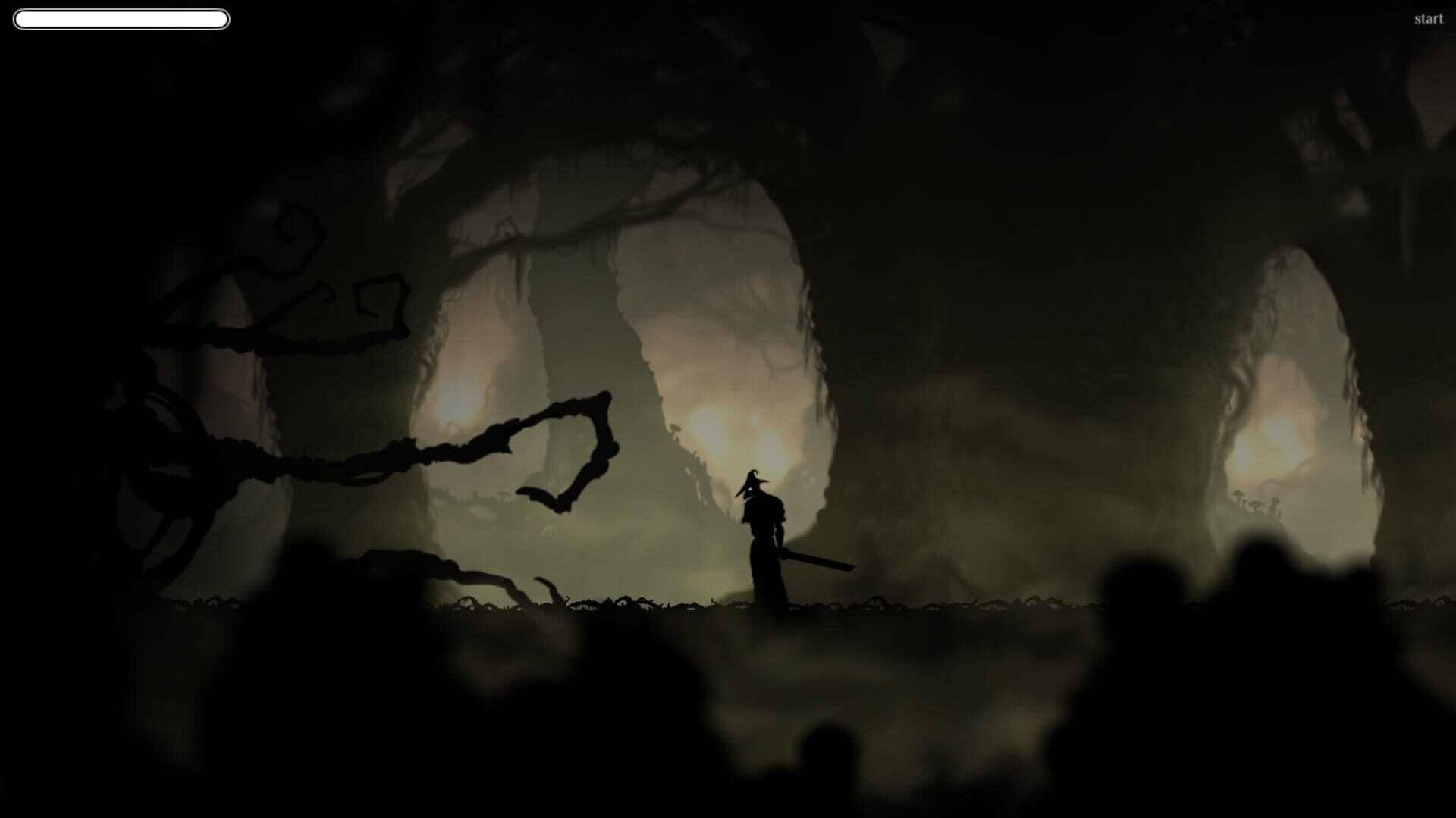
Plague Hunter excels with a well-thought-out combat system that skillfully weaves together both melee and ranged combat. The sword mechanics feel weighty and precise – every strike carries impact and demands tactical timing. Particularly impressive is the variety of combo possibilities that open up through clever switching between sword and pistol.
The gunplay component perfectly complements the melee arsenal. Ammunition is deliberately scarce, which promotes strategic decision-making: When do I deploy precious firepower, when do I rely on the blade? This resource management adds an extra layer of tension to every encounter.
The platforming elements are precisely calibrated and challenge without frustrating. Jump sequences feel responsive, and collision detection works reliably – an absolute must for a genre where pixel-perfect precision is crucial.
Graphics and Atmosphere
Visually, Plague Hunter employs a detailed pixel art style that perfectly captures the grim atmosphere. The color palette is deliberately muted, lending the post-apocalyptic world an authentic melancholy. Character animations are fluid and expressive – both protagonists and the diverse monster gallery move convincingly naturally.
Particularly noteworthy are the environmental details: Decaying buildings tell silent stories, while subtle particle effects breathe life into the desolate landscape. The lighting effects further enhance the horror atmosphere and create a constant underlying tension.
Sound Design and Music
Plague Hunter's soundtrack is a masterpiece of atmospheric scoring. The orchestral arrangements cleverly alternate between melancholic melodies during quiet exploration phases and driving rhythms during intense combat sequences. Each musical piece integrates seamlessly into the game world without ever becoming intrusive.
The sound design scores with authentic soundscapes: the metallic clang of sword on bone, the echo of footsteps in abandoned corridors, the menacing groans of approaching undead – every audio effect noticeably enhances immersion.
Level Design and Progression
The level architecture in Plague Hunter is thoughtfully and diversely designed. Each section presents new challenges and puzzle elements that are cleverly integrated into the platforming. Traps are fairly placed and telegraph their danger sufficiently without removing the element of surprise.
The progression system motivates through meaningful upgrades for weapons and abilities. New movement options not only open tactical possibilities but also enable exploration of previously inaccessible areas – a clever Metroidvania element that invites return visits.
Story and World Building
Narratively, Plague Hunter relies on subtle environmental storytelling rather than intrusive exposition. The story unfolds through visual cues, found documents, and the design of the game world itself. This restrained narrative approach respects player intelligence and invites independent interpretation.
The world building is coherent and believable – the post-apocalyptic scenery feels authentic and well-considered. Different biomes offer visual variety without breaking the unified dark underlying tone.
Performance and Technical Aspects
Technically, Plague Hunter runs stable and smooth. Even on weaker hardware, the game achieves consistently high framerates, and loading times remain pleasantly short. Controls respond precisely without noticeable input lag – essential for a demanding platformer experience.
We encountered minor bugs occasionally, but these don't impact the gameplay experience and will presumably be addressed through updates.
Conclusion
Plague Hunter impressively demonstrates that indie developers can create greatness with passion and vision. The game combines classic platforming with modern design principles while creating a unique dark fantasy atmosphere. Despite minor technical quirks, the title convinces through thoughtful gameplay, atmospheric presentation, and motivating progression.
Fans of Metroidvania games and dark platformers will find a worthwhile adventure here that both evokes nostalgic feelings and sets fresh accents. Plague Hunter is definitely a hidden gem for anyone who appreciates demanding indie gaming.
System Requirements
Minimum
Recommended
Das könnte dich auch interessieren
Weitere Reviews aus der Kategorie game.
Forsaken Realms: Vahrin's Call Review: Ausführlicher Test
Inhaltsverzeichnis Einleitung Gameplay, Spielgefühl und Kernsysteme Welt, Struktur, Umfang und Wiederspielwert Technik, Präsentation, Kritik und Fazit…
Review: Seina: A Tale Of Spirits – Eine Reise der leisen Magie
Inhaltsverzeichnis [Einleitung]( einleitung) [Story & Erzählung]( story und erzaehlung) [Gameplay & Mechaniken]( gameplay und mechaniken) [Grafik & Pr…
Project F.A.L.S.E. Review: Ausführlicher Test
Inhaltsverzeichnis Einleitung Gameplay, Spielgefühl und Kernsysteme Welt, Struktur, Umfang und Wiederspielwert Technik, Präsentation, Kritik und Fazit…
Frequently Asked Questions
How good is Plague Hunter Review: Dark Fantasy Meets Precision Platforming?
Plague Hunter Review: Dark Fantasy Meets Precision Platforming wurde von Nerdiction mit 82 von 100 Punkten bewertet und ist damit excellent.
What are the pros of Plague Hunter Review: Dark Fantasy Meets Precision Platforming?
The advantages of Plague Hunter Review: Dark Fantasy Meets Precision Platforming: Well-designed combat system with successful sword-pistol combination, Atmospheric pixel art graphics with fitting dark fantasy aesthetics, Excellent soundtrack and immersive sound design, Precise platforming mechanics without frustration potential, Motivating progression system with Metroidvania elements.
What are the cons of Plague Hunter Review: Dark Fantasy Meets Precision Platforming?
The disadvantages of Plague Hunter Review: Dark Fantasy Meets Precision Platforming: Occasional technical bugs sometimes affect gameplay flow, Story might be too subtle and restrained for some players, Difficulty level could be off-putting for newcomers initially, Relatively short playtime for genre standards, Limited weapon selection restricts tactical variability.
Is Plague Hunter Review: Dark Fantasy Meets Precision Platforming worth it?
Yes. Plague Hunter Review: Dark Fantasy Meets Precision Platforming received a score of 82/100 points and is excellent.
Diskussion
Endlich mal ein Metroidvania, das die Balance zwischen Schwert- und Schusswaffen richtig hinbekommt! Die Kombination klingt wirklich interessant. Dass die Plattform-Mechaniken präzise sind, ist für mich das wichtigste - nichts nerviger als ungenaue Sprünge in so einem Genre. 82 Punkte sind völlig berechtigt, auch wenn die kurze Spielzeit schade ist. Wie lange hat der Reviewer denn ungefähr gebraucht?
Muss ehrlich sagen, dass mich die Kritikpunkte etwas abschrecken. Technische Bugs sind 2024 einfach nicht mehr akzeptabel, besonders nicht bei Indie-Games, die oft schon teuer genug sind. Und wenn die Story zu subtil ist und gleichzeitig nur wenige Waffen zur Verfügung stehen, frage ich mich, was das Spiel dann wirklich auszeichnet. Vielleicht warte ich auf einen Patch und Preisrabatt.
Plague Hunter steht seit Wochen auf meiner Wunschliste und der Test bestätigt meine Erwartungen größtenteils. Die Pixel-Art-Screenshots sehen fantastisch aus und der Soundtrack in den Trailern ist wirklich atmosphärisch. Dass der Schwierigkeitsgrad hoch ist, stört mich nicht - im Gegenteil! Metroidvanias dürfen gerne fordern. Die begrenzte Waffenauswahl ist schade, aber wenn das Kampfsystem durchdacht ist, kann man damit leben.
Kann die Bewertung absolut nachvollziehen! Das Kampfsystem ist wirklich ein Highlight - die Kombination aus Schwert und Pistole fühlt sich super flüssig an. Bei der Story muss ich allerdings widersprechen: Ich fand es erfrischend, dass mal nicht alles zerredet wird. Die subtile Erzählweise passt perfekt zur düsteren Atmosphäre. Einzig die Bugs haben mich teilweise echt genervt, besonders in den Boss-Kämpfen. Hoffentlich wird da noch nachgepatcht.
82 Punkte sind völlig in Ordnung, aber die kurze Spielzeit ist schon enttäuschend für ein Metroidvania. Hab das Spiel in knapp 8 Stunden durch gehabt und dabei wirklich fast alles gefunden. Für den Vollpreis ist das einfach zu wenig Content. Die Pixel-Art ist allerdings fantastisch - erinnert mich an die besten 16-Bit-Klassiker, aber mit modernem Polish.
Ist das Spiel denn auch für jemanden geeignet, der nicht so viel Erfahrung mit Platformern hat? Der erwähnte hohe Schwierigkeitsgrad macht mir etwas Sorgen. Gibt es wenigstens verschiedene Difficulty-Settings oder Hilfen für Einsteiger?