The Verdict
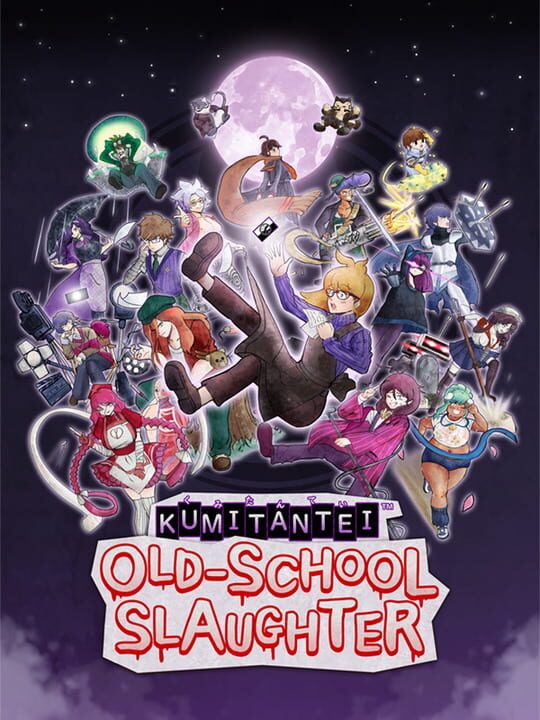
The Nerdiction verdict: Kumitantei: Old-School Slaughter - Murder, Mystery and Retro Charm in Perfect Harmony is excellent and receives 82 out of 100 points.
Pro
- Innovative fusion of visual novel and card game mechanics
- Atmospherically dense retro aesthetic with excellent pixel art style
- Multi-layered characters with believable motivations
Contra
- Episodic structure can interrupt gameplay flow
- System requirements somewhat higher than expected for 2D game
- Complex mechanics may overwhelm casual players
Table of Contents
- Introduction
- Story & Setting
- Gameplay Mechanics
- Visual Style & Presentation
- Audio Design
- Technical Implementation
- Conclusion
Introduction
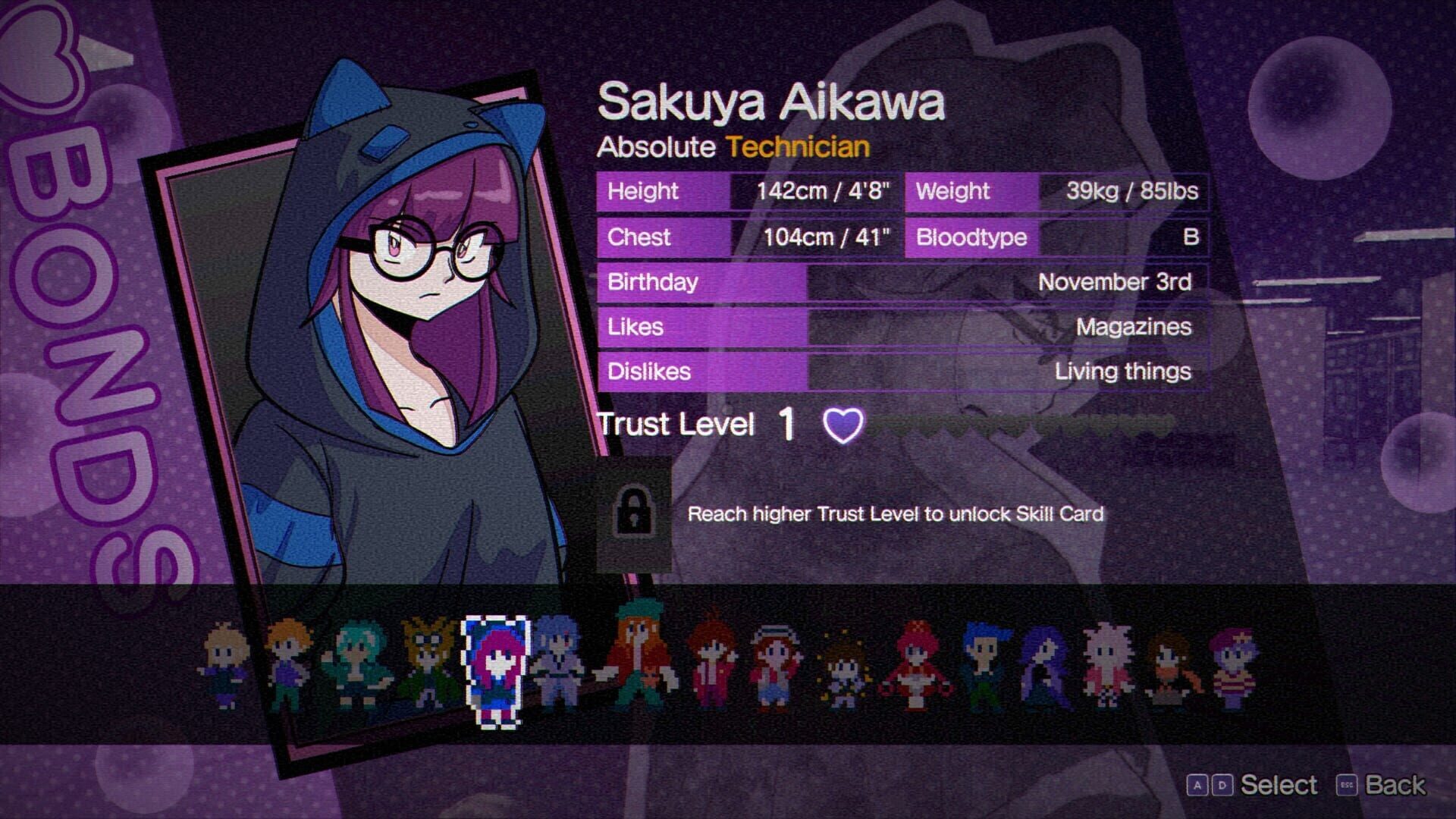
Kumitantei: Old-School Slaughter is a fascinating amalgamation of various gaming genres that impressively blurs the lines between visual novel, adventure, and card game. The developers have managed to create a murder mystery that convinces both narratively and mechanically while maintaining a distinctive retro aesthetic that immediately catches the eye.
The game deliberately positions itself as a homage to the golden age of 80s anime, successfully evoking nostalgic feelings without falling into cheap imitation. Instead, it uses the visual and narrative codes of that era as a springboard for a modern, multi-layered gaming experience.
Story & Setting
Kumitantei's plot transports us to 1989, where an elite school class is trapped in a deadly game. The setting inevitably recalls works like "Battle Royale" or "Danganronpa," but manages to develop its own identity. The premise "Kill each other... for science!" may seem cynical at first glance, but reveals itself as a clever hook for a story that explores both the depths of human nature and the mechanisms of power and manipulation.
The game's episodic structure allows the developers to treat each murder investigation as a standalone story while simultaneously advancing an overarching narrative arc. Each character is carefully crafted and brings their own secrets, motivations, and backstories, creating remarkable narrative depth.
Particularly impressive is how the game plays with player expectations. While you initially believe you're facing a typical whodunit, the story develops in unexpected directions and poses both moral and philosophical questions that linger long after the game ends.
Gameplay Mechanics
The heart of Kumitantei lies in the skillful fusion of investigative work and card battle mechanics. During investigation phases, players collect clues, conduct conversations, and analyze evidence – classic adventure elements that are solidly and intuitively implemented.
The game's true innovative spirit shows itself in confrontation scenes, where gathered information becomes cards that must be strategically deployed. This system transforms verbal duels into tactical battles where not only the right evidence matters, but also the timing and sequence of their presentation.
The card mechanics are surprisingly deep: different types of evidence have varying properties, and the credibility of an argument depends on how skillfully the player assembles and plays their "deck." Characters' emotional states influence the effectiveness of certain cards, adding an additional strategic layer.
Visual Style & Presentation
Visually, Kumitantei is a true feast for lovers of retro aesthetics. The pixel art style is not only technically accomplished but also perfectly captures the atmosphere of the late 80s. Character designs are expressive and individual, with each figure possessing immediately recognizable visual traits that underscore their personality.
The environmental design deserves special mention: the elite school feels simultaneously luxurious and threatening, with architecture that conveys both prestige and isolation. Light and shadow play are masterfully employed to create moods and build tension.
Particularly impressive are the animations during card battle sequences. Here, the static visual novel format transforms into a dynamic spectacle where arguments literally clash and are visually represented.
Audio Design
Kumitantei's soundtrack is a love letter to the synthwave and 80s electronic music scene. Every melody is carefully composed and enhances the already strong atmospheric impact of the visual style. Particularly the suspenseful moments are amplified through subtle but effective musical accompaniment.
Sound effects are precisely deployed and enhance both investigative moments and intense card battles. The clicking of cards, rustling of paper during evidence collection, and dramatic chords during major revelations – everything combines into a cohesive overall picture.
Technical Implementation
Technically, Kumitantei runs stable and smoothly, even if the system requirements are somewhat higher than expected for a primarily 2D-based game. Loading times between episodes are acceptable, and the game offers extensive options for accessibility and customization.
The user interface deserves special praise, remaining intuitive and clear despite the complex card mechanics. The integration of keyboard and controller input is seamlessly solved.
Conclusion
Kumitantei: Old-School Slaughter is a bold and largely successful experiment that proves genre fusion can be more than the sum of its parts. The game manages to tell a captivating murder mystery story while simultaneously introducing innovative gameplay mechanics that will appeal to both adventure and card game fans.
The episodic structure may not appeal to every player, but it allows the development team to treat each story with the necessary depth and attention. Kumitantei is a game for players ready to embrace something new and who appreciate both narrative complexity and strategic challenges.
System Requirements
Minimum
Recommended
Das könnte dich auch interessieren
Weitere Reviews aus der Kategorie game.
Forsaken Realms: Vahrin's Call Review: Ausführlicher Test
Inhaltsverzeichnis Einleitung Gameplay, Spielgefühl und Kernsysteme Welt, Struktur, Umfang und Wiederspielwert Technik, Präsentation, Kritik und Fazit…
Review: Seina: A Tale Of Spirits – Eine Reise der leisen Magie
Inhaltsverzeichnis [Einleitung]( einleitung) [Story & Erzählung]( story und erzaehlung) [Gameplay & Mechaniken]( gameplay und mechaniken) [Grafik & Pr…

Project F.A.L.S.E. Review: Ausführlicher Test
Inhaltsverzeichnis Einleitung Gameplay, Spielgefühl und Kernsysteme Welt, Struktur, Umfang und Wiederspielwert Technik, Präsentation, Kritik und Fazit…
Frequently Asked Questions
How good is Kumitantei: Old-School Slaughter - Murder, Mystery and Retro Charm in Perfect Harmony?
Kumitantei: Old-School Slaughter - Murder, Mystery and Retro Charm in Perfect Harmony wurde von Nerdiction mit 82 von 100 Punkten bewertet und ist damit excellent.
What are the pros of Kumitantei: Old-School Slaughter - Murder, Mystery and Retro Charm in Perfect Harmony?
The advantages of Kumitantei: Old-School Slaughter - Murder, Mystery and Retro Charm in Perfect Harmony: Innovative fusion of visual novel and card game mechanics, Atmospherically dense retro aesthetic with excellent pixel art style, Multi-layered characters with believable motivations, Strategically deep card battle systems, Excellent synthwave soundtrack and cohesive audio design.
What are the cons of Kumitantei: Old-School Slaughter - Murder, Mystery and Retro Charm in Perfect Harmony?
The disadvantages of Kumitantei: Old-School Slaughter - Murder, Mystery and Retro Charm in Perfect Harmony: Episodic structure can interrupt gameplay flow, System requirements somewhat higher than expected for 2D game, Complex mechanics may overwhelm casual players, Some investigation sequences drag on too long, Limited replay value after solving all mysteries.
Is Kumitantei: Old-School Slaughter - Murder, Mystery and Retro Charm in Perfect Harmony worth it?
Yes. Kumitantei: Old-School Slaughter - Murder, Mystery and Retro Charm in Perfect Harmony received a score of 82/100 points and is excellent.
Diskussion
Kann die 82 Punkte absolut nachvollziehen! Die Mischung aus Visual Novel und Kartenspiel klingt erstmal komisch, aber scheint richtig gut umgesetzt zu sein. Besonders der Punkt mit der atmosphärischen Pixel-Art hat mich neugierig gemacht. Synthwave-Soundtrack ist sowieso immer ein Plus. Einziger Wermutstropfen sind wohl die höheren Systemanforderungen für ein 2D-Spiel - das ist schon etwas merkwürdig.
Hmm, die komplexen Mechaniken könnten wirklich ein Problem sein. Ich mag zwar sowohl Visual Novels als auch Kartenspiele, aber wenn sich die Ermittlungssequenzen ziehen, verliere ich schnell die Geduld. 82 Punkte sind trotzdem eine solide Wertung. Hat jemand schon Erfahrungen damit gemacht, wie schwer der Einstieg wirklich ist? Besonders die strategischen Kartenkämpfe interessieren mich.
Episodische Struktur nervt mich persönlich immer total. Will doch einfach durchspielen können, ohne ständig unterbrochen zu werden! Ansonsten klingt das Spiel aber durchaus interessant. Die vielschichtigen Charaktere und glaubwürdigen Motivationen sind definitiv wichtig für ein gutes Mystery-Spiel. Retro-Ästhetik ist momentan ja sowieso sehr beliebt.
Klingt nach einem richtig coolen Nischentitel! Gerade die Verschmelzung der Genres macht mich neugierig. Schade nur, dass der Replay-Wert begrenzt ist - bei dem Preis hätte ich mir mehr Langzeitmotivation gewünscht. Aber für Mystery-Fans, die was Neues suchen, scheint es perfekt zu sein. Die 82 Punkte sind fair, auch wenn die Cons nicht von der Hand zu weisen sind.
82 Punkte sind schon ordentlich! Das mit den Visual Novel und Kartenspiel-Elementen klingt wirklich interessant. Ich mag es, wenn Entwickler verschiedene Genres clever miteinander verbinden. Der Pixel-Art-Stil sieht auf den Screenshots auch richtig gelungen aus. Nur die höheren Systemanforderungen für ein 2D-Spiel finde ich etwas seltsam - läuft das etwa nicht flüssig auf älteren Rechnern?
Kann die Review größtenteils bestätigen. Die Atmosphäre ist wirklich top und der Synthwave-Soundtrack passt perfekt zur Retro-Ästhetik. Allerdings muss ich sagen, dass mich die komplexen Kartenmechaniken am Anfang ziemlich überfordert haben - da hätte ein besseres Tutorial geholfen. Die Charaktere sind tatsächlich sehr gut geschrieben, besonders die Motivationen wirken glaubwürdig und nicht aufgesetzt. Episodische Struktur war für mich persönlich kein Problem.
Hmm, bei der Bewertung bin ich etwas skeptisch. Wenn die Ermittlungssequenzen sich ziehen und der Replay-Wert begrenzt ist, dann sind 82 Punkte vielleicht doch etwas zu hoch gegriffen? Klingt eher nach 75-78 für mich. Trotzdem interessant, dass Visual Novel mit Kartenspiel funktionieren soll.