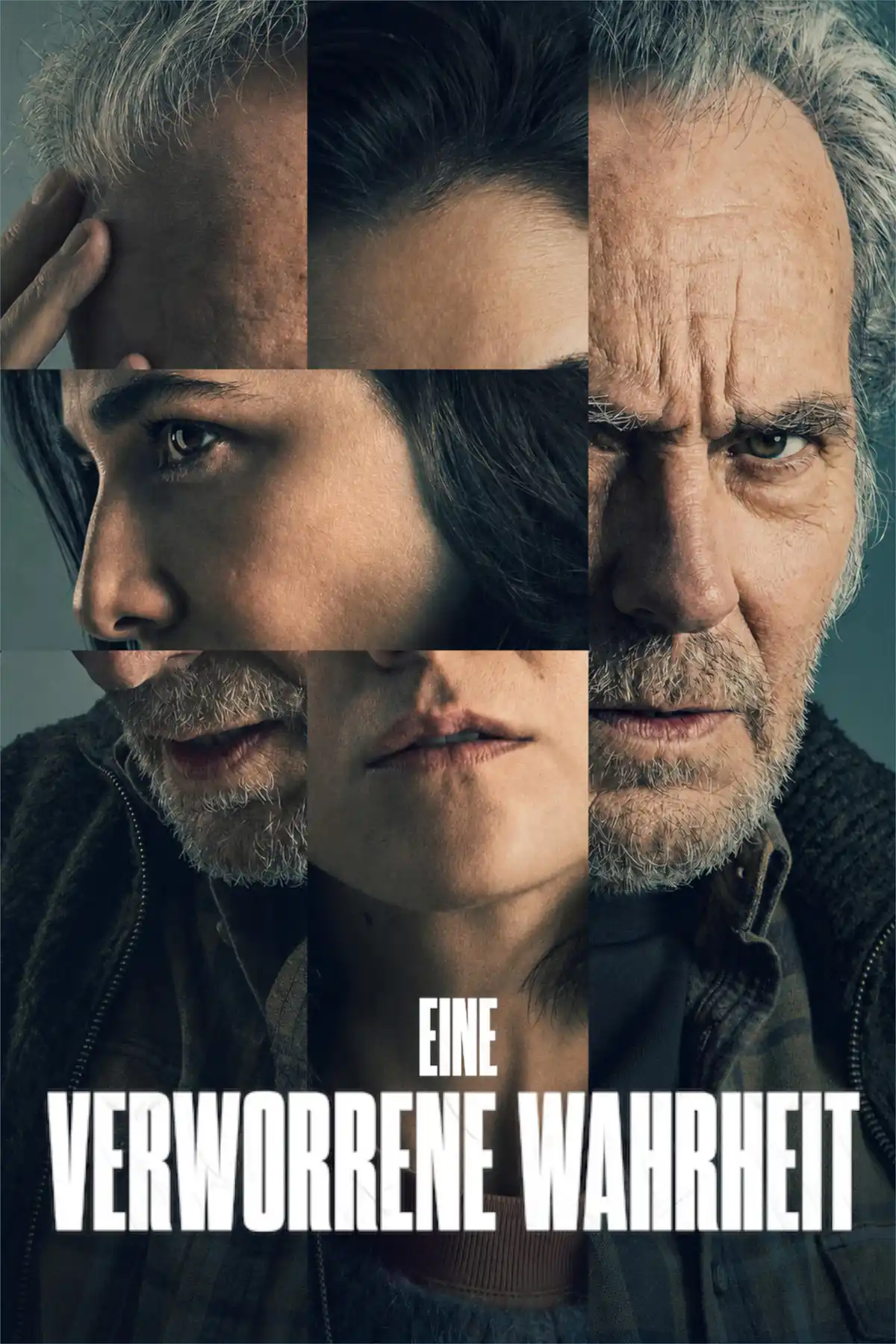
The Verdict
The Nerdiction verdict: Between Delusion and Truth: A Deep Dive into 'A Twisted Truth' is satisfactory and receives 57 out of 100 points.
Pro
- Strong psychological depth
- Atmospheric cinematography
- Precise acting performances
Contra
- Slow narrative pacing
- Lack of action elements
- May feel too slow for mainstream audiences
Videos & Trailers
Loading video…
Details
1h 46m
25.1
Genres
Table of Contents
- Introduction and Context
- Plot: An Emotional Labyrinth
- Thematic Depth: Delusions and Isolation
- Direction and Execution
- Visual Aesthetics: Cinematography and Look
- Acting and Performances
- Pacing and Sound Design
- Target Audience and Summary
- Verdict
<a name="introduction"></a>
Introduction and Context
"A Twisted Truth" (Original title: "Los creyentes") represents an ambitious attempt by the production company El Desorden Crea to weave a psychological thriller with profound familial drama. In a cinematic landscape often dominated by superficial jump-scares, this film relies on psychological attrition and the fragility of human perception. Released in July 2026, the film enters the market at a time when themes of disinformation and paranoia hold significant societal weight, extending far beyond the confines of the silver screen.
<a name="plot"></a>
Plot: An Emotional Labyrinth
The narrative centers on Ruth, a 30-year-old woman who returns to her family home after a long period of estrangement. The catalyst for her return is the sudden and mysterious death of her mother. Returning to her childhood home is not an act of reconciliation for Ruth, but a confrontation with a past she has consciously left behind.
At the center of the tension is her father, Martín. Since his retirement, his character has undergone a drastic transformation. He is no longer the father Ruth once knew; he has turned into a surly, aggressive man, consumed by dark conspiracy theories. The uncertainty surrounding the circumstances of the mother's death, combined with Martín's unpredictable and sometimes violent behavior, plants a terrifying suspicion in Ruth's mind: Could her father be responsible for the death of the woman she loved most? The film navigates this state of uncertainty with precision, refusing to feed the audience easy answers.
<a name="themes"></a>
Thematic Depth: Delusions and Isolation
The film utilizes the protagonist's personal tragedy as a vehicle to examine universal themes such as the loss of reality. The conspiracy theories that haunt Martín serve as a metaphor for the isolation that occurs when one loses connection to society and family. It poses the fundamental question: Where does mere opinion end and pathological delusion begin? The film questions the thin line between protecting a worldview and losing one's mind.
<a name="direction"></a>
Direction and Execution
The direction successfully creates an atmosphere of oppressive intimacy. Instead of emphasizing the thriller aspect through large-scale action sequences, the direction focuses on the claustrophobic atmosphere within the house. The physical confinement of the setting mirrors the psychological confinement Ruth experiences. The decision to derive tension from the psychological instability of the characters rather than external threats gives the film a distinct depth.
<a name="cinematography"></a>
Visual Aesthetics: Cinematography and Look
The cinematography is crucial to the success of "A Twisted Truth." The film utilizes a color palette that shifts between cold, detached tones and a grimy, almost suffocating warmth. The camera work frequently employs extreme close-ups to make the characters' paranoia tangibly felt by the audience. Lighting plays a vital role: shadows are used not just as a stylistic element, but as a representation of the unknown and of hidden truths.
<a name="acting"></a>
Acting and Performances
The acting, particularly in the portrayal of Martín, is the heart of the film. The transformation from a stable family patriarch to a paranoid shadow of his former self requires immense emotional precision. As an audience, one must navigate the line between sympathizing with Ruth's grief for her mother and feeling a justified mistrust toward her father. The chemistry and tension between the leads carry the film through its most intense moments.
<a name="pacing"></a>
Pacing and Sound Design
The pacing of the film is intentionally slow, which aligns with the emotional logic of the story. It is a true slow-burn, forcing the viewer to observe the details of the environment and the nuances in dialogue. The sound design supports this process through subtle, unsettling frequencies that make the latent danger in the air palpable, without resorting to horror movie clichés.
<a name="audience"></a>
Target Audience and Summary
"A Twisted Truth" is primarily a film for lovers of psychological character studies and serious dramas with mystery elements. Those looking for rapid-fire plot twists might find it slow, but those wishing to study the human psyche in its darkest form will be rewarded.
<a name="verdict"></a>
Verdict
Despite a relatively modest TMDB rating (5.73/10), the film offers a highly interesting exploration of paranoia and familial decay. It is a work that lingers in the mind long after the credits roll, questioning how much truth we can truly endure before we succumb to delusion ourselves.
Das könnte dich auch interessieren
Weitere Reviews aus der Kategorie movie.

Filmkritik: 72 HOURS – Zwischen Party-Euphorie und tödlichem Chaos
Inhaltsverzeichnis 1. [Einleitung und Einordnung]( einleitung) 2. [Handlung ohne Spoiler]( handlung) 3. [Themen und Motive]( themen) 4. [Regie und Ins…
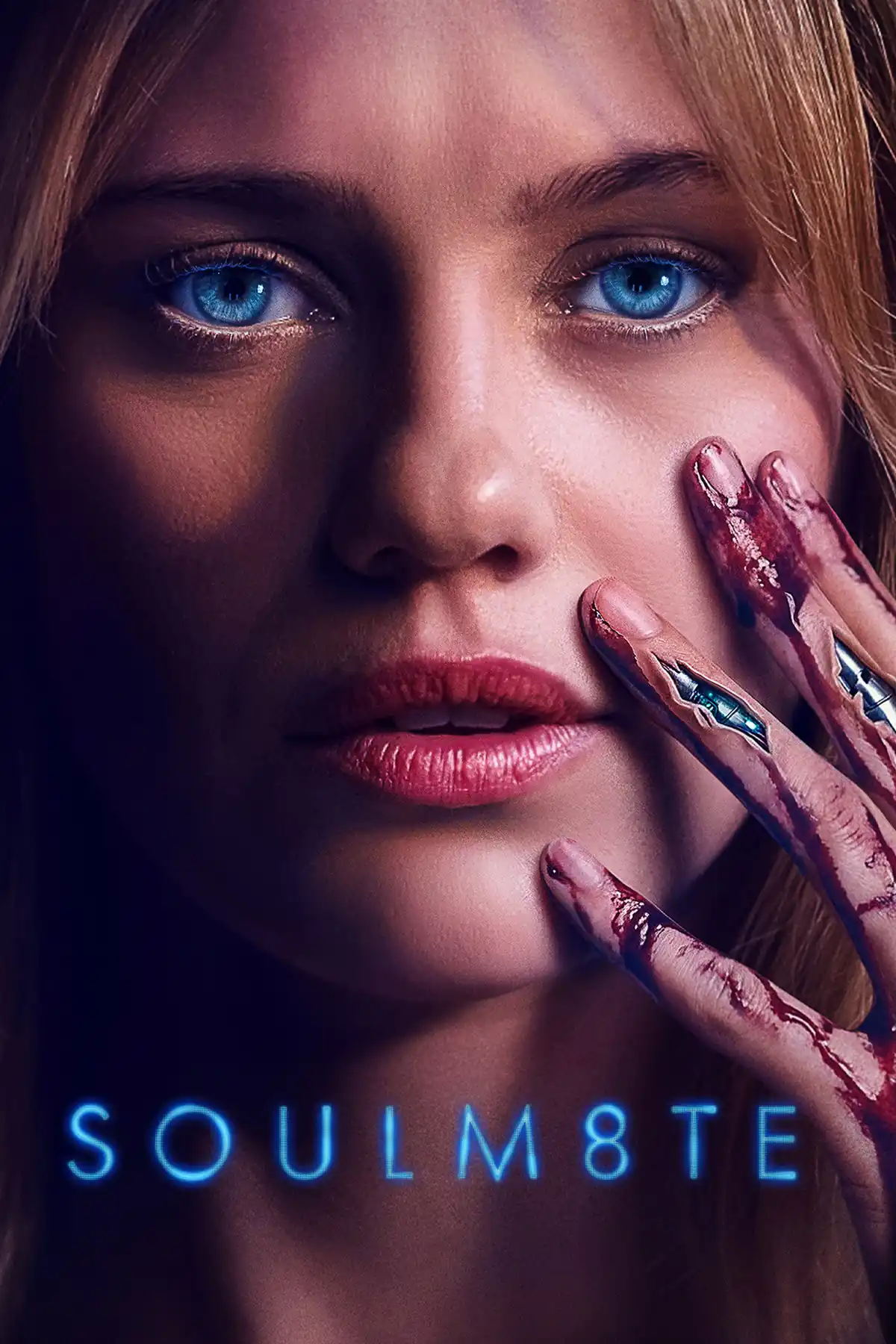
Zwischen Sehnsucht und Schrecken: Eine Analyse von 'Soulm8te'
Inhaltsverzeichnis 1. [Einleitung & Kontext]( einleitung) 2. [Die Handlung: Eine gefährliche Suche nach Nähe]( handlung) 3. [Thematische Tiefen: Die E…

Enola Holmes 3
Detektivin Enola Holmes reist nach Malta, wo ihre Hochzeitspläne aus der Bahn geworfen werden, als Sherlock verschwindet und sie in einen gefährlichen…
Frequently Asked Questions
How good is Between Delusion and Truth: A Deep Dive into 'A Twisted Truth'?
Between Delusion and Truth: A Deep Dive into 'A Twisted Truth' wurde von Nerdiction mit 57 von 100 Punkten bewertet und ist damit satisfactory.
What are the pros of Between Delusion and Truth: A Deep Dive into 'A Twisted Truth'?
The advantages of Between Delusion and Truth: A Deep Dive into 'A Twisted Truth': Strong psychological depth, Atmospheric cinematography, Precise acting performances, Subtle, effective sound design, Strong atmosphere.
What are the cons of Between Delusion and Truth: A Deep Dive into 'A Twisted Truth'?
The disadvantages of Between Delusion and Truth: A Deep Dive into 'A Twisted Truth': Slow narrative pacing, Lack of action elements, May feel too slow for mainstream audiences, Some aspects should be checked editorially.
Is Between Delusion and Truth: A Deep Dive into 'A Twisted Truth' worth it?
Only conditionally. Between Delusion and Truth: A Deep Dive into 'A Twisted Truth' received a score of 57/100 points.
Diskussion
Die Review trifft es gut: Die psychologische Tiefe ist wirklich stark, gerade in den Szenen mit dem Spiegel im Bad – das hat mich nachdenklich gemacht. Aber das Tempo ist tatsächlich manchmal zu träge, besonders im zweiten Akt. Für mich persönlich ein 6/10, aber ich verstehe, warum andere weniger geben.
57 Punkte klingt fair. Die Kameraführung und das Sounddesign sind herausragend – das Knarren der Dielenböden allein schafft mehr Spannung als manche Actionszene. Aber ja, das Pacing ist für Mainstream-Zuschauer wohl wirklich zu langsam. Ich hätte gerne mehr Aufklärung früher gehabt.
Ich finde die Bewertung etwas zu niedrig. Die schauspielerische Leistung allein verdient schon mehr – besonders die Hauptdarstellerin in der Monologszene am Fenster. Atmosphärisch ist es ein Meisterwerk, auch wenn es nicht für jeden ist. Mir persönlich hätte es 75 Punkte gegeben.
Warum wird das Tempo immer als Nachteil gesehen? Langsam heißt nicht schlecht – es baut eine unerträgliche Spannung auf, die erst beim Finale explodiert. Die Review erkennt die Stärken an, aber unterschätzt vielleicht, wie bewusst das Pacing gewählt ist. Für Fans des Genres ein verstecktes Juwel.
Die Pros sind absolut nachvollziehbar: Sounddesign und Kameraarbeit sind echt Top. Aber ich gebe zu, ich habe zwischengeschaut beim dritten Akt – einfach zu wenig passiert. Für ein Psycho-Drama braucht es mehr als nur Stimmung, irgendwann muss auch etwas *passieren*. Deswegen 57 ist okay.
Als jemand, der gern arthouse-artige Filme schaut, fand ich den Film fesselnd. Die Review erwähnt die geringe Action – aber das ist ja absichtlich so gedacht. Vielleicht sollte man nicht erwarten, dass alles wie ein Thriller funktioniert. Die Wahrheit liegt im Subtext, nicht in Explosionen.
Ich verstehe die Kritik am Pacing, aber gleichzeitig: Wer erwartet hier Action? Es ist ein psychologisches Drama, kein Actionfilm. Die Review sagt selbst, dass die Atmosphäre stark ist – und genau das trägt den Film. Vielleicht wäre ein Hinweis auf das Zielpublikum hilfreich gewesen.
Die Note von 57 spiegelt wider, was viele wahrscheinlich denken: künstlerisch anspruchsvoll, aber zugänglichkeitsmäßig herausfordernd. Ich selbst saß am Ende zwar beeindruckt, aber auch erschöpft von der Dauerbelastung durch Subtilität. Ein Film, den man respektiert, nicht unbedingt liebt.
Interessant, dass die Review einzelne Aspekte zur redaktionellen Prüfung nennt – welches genau? Der Schluss? Die Motivation der Nebenfigur? Das wäre interessant zu wissen. Trotzdem: Die Stärken werden deutlich hervorgehoben, und die Schwächen sind nachvollziehbar, auch wenn sie stilbedingt sind.