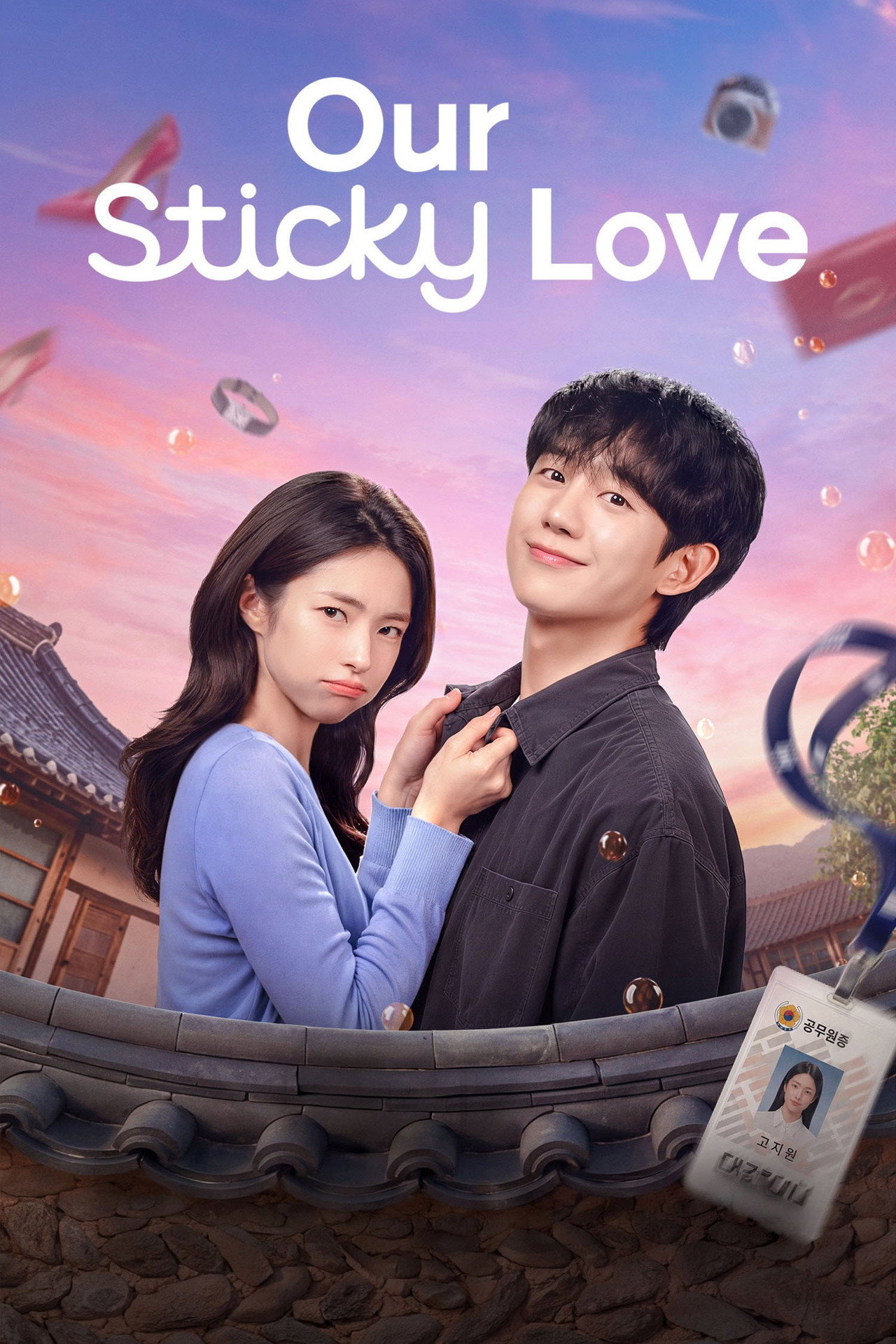
The Verdict
The Nerdiction verdict: Our Sticky Love – Review: An Emotional Journey Without Memory is excellent and receives 88 out of 100 points.
Details
August 7, 2026
1
12
Ended
August 7, 2026
8.6
/ 10(50 votes)103.7
Genres
Production Companies
Production Countries
Spoken Languages
Cast
Table of Contents
- Introduction
- Plot & Setting
- Characters & Acting
- Seasons & Episode Structure
- Direction, Cinematography & Visuals
- Music & Sound Design
- Themes & Depth
- Comparison with Similar Series
- Binge-worthiness
- Verdict
Introduction
Our Sticky Love (Original Title: 이런 엿같은 사랑) is an exciting blend of drama and comedy that premiered on Netflix in 2026. This Korean series has proven to be promising, surprising viewers with its mix of emotional situations and humorous moments. The story of an ambitious prosecutor who loses her memory and is taken in by a bodyguard who claims to be her boyfriend offers a compelling premise that should captivate audiences from the start. The series promises not only to impress with its original premise but also to delve deeper into themes of identity, love, and the struggle for self-worth. With a clear storyline and creative narrative style, director Kim Jang-han attempts to set audiences ablaze in a world that is both challenging and emotionally rich.
The series consists of a single season with twelve episodes, which allows for a compact yet profound narrative. The premiere on August 7, 2026 has held the series as a potentially cult status, with the TMDB rating of 8.6/10 (50 votes) expressing a strong mandate for the quality of the production. The combination of a young, unflinching protagonist and a charming yet enigmatic main character creates a dynamic that draws viewers in, while also charting skepticism and empathy. Furthermore, the series offers a broad target group that is interested in authentic, emotional stories by mixing local culture and universal themes.
Plot & Setting
The basic principle of Our Sticky Love is impressive: An ambitious prosecutor loses her memory in a car accident and is taken in by a bodyguard, Jang Tae-ha, who supports her with his version of the past. The series takes place in a small, idyllic village environment that also serves as a setting for deeper psychological and emotional conflicts. This setting is not only a background but an active part of the narrative, as it highlights the isolated atmosphere that enables diary-like interactions between the protagonists. The rural setting and gentle yet meaningful landscape play a key role in the development of the relationship between the characters.
The premise of the series is equally impressive as its setting. The combination of memory loss and the attempt to create a new identity offers numerous starting points for in-depth themes. However, the series avoids typical clichés and instead attempts to explore the psychological complexity of the situation. The moral conflict between responsibility and freedom, between the deeds of the past and the shaping of the future, is always at the forefront. The narrative structure follows a classic drama form, with each episode uncovering a new layer of the story, while the characters become increasingly immersed in their roles.
Particularly noteworthy is the way the series uses memory. Instead of using the situation merely as confusion, it becomes a message about the importance of memories for identity. The series uses this premise to draw viewers into a wealth of emotions, without excessive speculation. The narrative lines are clearly structured, and the tension builds up organically, avoiding over-the-top twists or predictable turns.
Characters & Acting
The characters in Our Sticky Love are as vivid and complex as their actors. Jung Hae-in embodies Jang Tae-ha with a mix of charm, strength, and a deeply unspoken emotional depth. His portrayal of a man driven by the desire to escape his past and develop a new life philosophy is convincing. Hae-in manages to present a character who is both tender and enigmatic without seeming flat. His interactions with Ahn Ha-young as Go Eun-sae are marked by a deep chemistry that draws viewers in, while also charting skepticism and empathy.
Ahn Ha-young as Go Eun-sae is a masterpiece of acting. Her ability to show both the strength of an ambitious lawyer and the confusion and vulnerability of a woman who has lost her memory is remarkable. Her development from a controlling, rational figure to an emotional force that learns to accept vulnerability is one of the strongest aspects of the series. The way she uses non-verbal expressions and micro-expressions to convey internal development is a paradigmatic example of high-quality acting.
The supporting actors, especially Heo Sung-tae as Baek Sang-gil and Kim Yeong-ok as Go Yeon-hong, contribute an additional layer to the story. Sang-gil, as Eun-sae’s brother, embodies despair and the instinct to protect, while Yeon-hong as her mother is a figure that balances between the past and the present. The entire cast creates a homogeneity that makes the series credible and compelling. Every actor contributes to the development of the plot without any character feeling overloaded.
Seasons & Episode Structure
Our Sticky Love consists of a single season with twelve episodes, allowing for a compact yet profound narrative. The episode structure follows a clear pattern, with each episode uncovering a new layer of the story, while the characters continue to develop. The first three episodes focus on the basics: Eun-sae wakes up in the hospital, Tae-ha shows up with his version of the past, and the two must build a new dynamic. This phase is characterized by curiosity, mistrust, and the search for truth.
Starting from the fourth episode, the story begins to condense. The series uses the rural community to generate conflicts that not only exist between the main characters, but also within the family and social environment. Episodes like number seven, where Eun-sae disappears, or number eleven, where old enemies return, bring tension and drama into the story. These episodes effectively use the short season structure to raise tension, without the plot feeling overloaded.
The pacing of the series is well-managed. The first episodes are gripping and compelling, while the middle season phase reaches a point where the story eases and the characters come into a rest phase. This conclusion is not only narratively sensible, but also emotionally, as it gives viewers the time to reflect on the development. The final episode offers a satisfying conclusion that wraps up both narrative strands and character development without leaving any loose ends.
Another aspect that shapes the season is the balance between comedy and drama. The series uses humorous situations to relieve tension without undermining the drama. This balance is cleverly designed, and the series refuses to shy away from serious topics such as memory, identity, and the fear of forgetting.
Direction, Cinematography & Visuals
Director Kim Jang-han has developed a clear visual language that distinguishes the series from other K-Dramas. His ability to control atmosphere through color choices and image composition is remarkable. The warm, natural colors of the village environment strengthen the idyll, while cool tones in difficult scenes emphasize emotional distance. This skillful color balance prevents the series from becoming too sad or lifeless.
Camera work is a key component. Jang-han uses a combination of wide-angle and close-up shots to emphasize spatial orientation. The wide-angle shots show the isolation of the characters, while close-ups emphasize the emotions in their faces. Particularly effective are the slow-motion scenes that highlight the intensity of moments, whether it's a whispered confession or a gaze that says more than words. The editing is always quick, but not over-ambitious. The series uses short transitions to increase tension without disturbing the natural rhythm of the narrative. The transitions between episodes are clearly structured, increasing the viewers' desire to continue. The staging of key scenes, such as the first meeting of the two main characters in the forest, is successful and uses nature as a metaphor for uncertainty and a new beginning.
Another aspect that shapes the visual language is the use of light and shadow. The series makes strategic use of light beams to emphasize the emotional significance of moments. The way the sun streams through the trees as Eun-sae and Tae-ha lose themselves in a conversation is an example of the delicate yet powerful visual language that distinguishes the series from other K-Dramas.
Music & Sound Design
The music in Our Sticky Love is a key factor in conveying emotional depth. The score, written by a known Korean composer, is a blend of gentle string arrangements, harmonious sounds, and occasional percussion that heightens tension. The title sequence, with its gentle and hopeful sounds, is repeated in every episode, reinforcing a constant reminder of the central theme of the series.
Particularly impressive is the use of sound effects to emphasize the natural environment of the village. The sound background, such as the chirping of birds or the rustling of wind through the trees, enhances the idyll and creates a moment of peace. In difficult scenes, such as when Tae-ha discusses their past with Eun-sae, the music retreats, allowing silence and the emotions in the foreground to come forward. The sound design choices are not only functional but also creative. The way apples cuddling in a snake form, or the sound of water flowing over a waterfall are woven into the soundtrack, creating a tactile layer that draws viewers deeply into the story. These scenes are not only visually appealing but also sonically unique.
Another aspect that shapes the music is the use of songs renewed in Japan. The series uses traditional Korean instruments such as the Gayageum to emphasize cultural authenticity, without restricting international access. This combination of tradition and modernity is an echo of the overall production aesthetic of the series.
Themes & Depth
Our Sticky Love is a series that deals with profound themes such as identity, memory, and human vulnerability. The loss of memory is not only used as a driver of the plot, but also as a metaphor for the search for the soul. The question of who we are when we do not remember our past is a universal one that drives the series into a philosophical discourse. These themes are deepened by the relationship between Eun-sae and Tae-ha, which serves as a symbol of the possibility of change and a fresh start. The series also highlights themes such as trust, eroticism, and the fear of forgetting. The fear that the past is stronger than the present is set in scenes when Eun-sae discovers that her old career and relationships have a different reality. These conflicts are not only emotionally draining, but also socially relevant, as they refer to the human fear of forgetting and losing identity.
The social relevance of the series lies in its treatment of self-esteem and the search for identity in a digitized world. The themes addressed in Our Sticky Love are not only culturally specific, but also universal and relevant to a broad target group interested in psychological depth and emotional authenticity. The series also deals with the theme of love as something beyond romantic feelings, but rather a willingness to support the other. The relationship between the two main characters is not a rigid, perfect love, but one marked by conflicts, doubts, and the work on themselves. These nuances make the series a work that goes beyond the superficiality of love.
Comparison with Similar Series
Our Sticky Love can be compared with other K-Dramas such as "My Sassy Girl" or "It's Okay to Not Be Okay", which also explore themes of love, identity, and memory. However, the series stands out with its blend of comedy and drama anchored in an idyllic setting. Compared to "My Sassy Girl", which focuses on romantic comedy, Our Sticky Love more strongly focuses on the psychological development of the characters.
Another point of comparison is "Crash Landing on You", which also tells a love story between people from different social backgrounds. Both series use memory as a central conflict to test the relationship. However, Our Sticky Love focuses more on the inner development of the protagonists, while "Crash Landing on You" focuses more on the outside world and the obstacles in the relationship.
Compared to Western series such as "The Good Place" or "Eternal Sunshine of the Spotless Mind", Our Sticky Love stands out with its cultural authenticity, characterized by Korean lifestyle, rural communities, and familial bonds. These differences make the series a work that is culturally and theoretically relevant.
Binge-worthiness
The series is ideal for the binge mode, as each episode uncovers a new layer of the story without the tension diminishing. The short season length of twelve episodes allows for the entire story to be experienced in a single sitting, while the emotional development of the characters convinces of its continued interest. The balance between comedy and drama ensures that viewers neither get bored nor feel overloaded.
Another reason to binge the series is the quality of the production. The visual and acoustic aesthetics supported by the convincing directing style and convincing acting invite viewers to enjoy the episodes quickly. The series is also suitable for repeated viewings, as new details become visible in each round. The series is great for a single intense evening, as it does not require long breaks to maintain tension. The powerful ending confrontation in the final episode, which wraps up the entire story, is a satisfying conclusion that satisfies viewers. Whether you enjoy the series in individual episodes or as a binge-watch, it depends on personal preference, but the quality of the series argues more for the binge mode.
Verdict
Our Sticky Love is an exceptional series that impresses with its original storyline, convincing acting, and creative direction. The combination of comedy and drama anchored in an idyllic setting creates a unique atmosphere that captivates viewers. The series has not only exceeded expectations for a typical K-Drama plot, but also contributed to exploring emotionally rich themes such as identity and love. The quality of the production, from visual language to music, is at a high level, and the characters are authentic and profound. The series has the potential to achieve cult status and offers an emotional journey that both entertains and invites reflection. With a rating of 88/100, Our Sticky Love is a recommended series for anyone looking for an original, emotional story.
Pros & Cons
Pros:
- Original Plot: The combination of memory loss and love is gripping and avoids clichés.
- Convincing Acting: Jung Hae-in and Ahn Ha-young contribute to its credibility with authenticity.
- Visual Aesthetics: The visual language is creative and supports the emotional depth of the series.
- Emotional Richness: The themes of identity and vulnerability are authentically packaged.
- Cultural Authenticity: The Korean lifestyle and rural community give the series a unique tone.
Cons:
- Short Season: The twelve episodes could be a disadvantage as the story progresses quickly.
- Limited Musical Diversity: The soundtrack is sometimes too homogeneous and could be distracting.
- Lack of Filler Material: For binge-watchers, the compact narrative could be consumed too quickly.
- Overwrought Emotions: Some scenes are so emotional that they can be overwhelming for sensitive viewers.
- Cultural Distance: Not all themes are directly relatable to international viewers.
Das könnte dich auch interessieren
Weitere Reviews aus der Kategorie series.
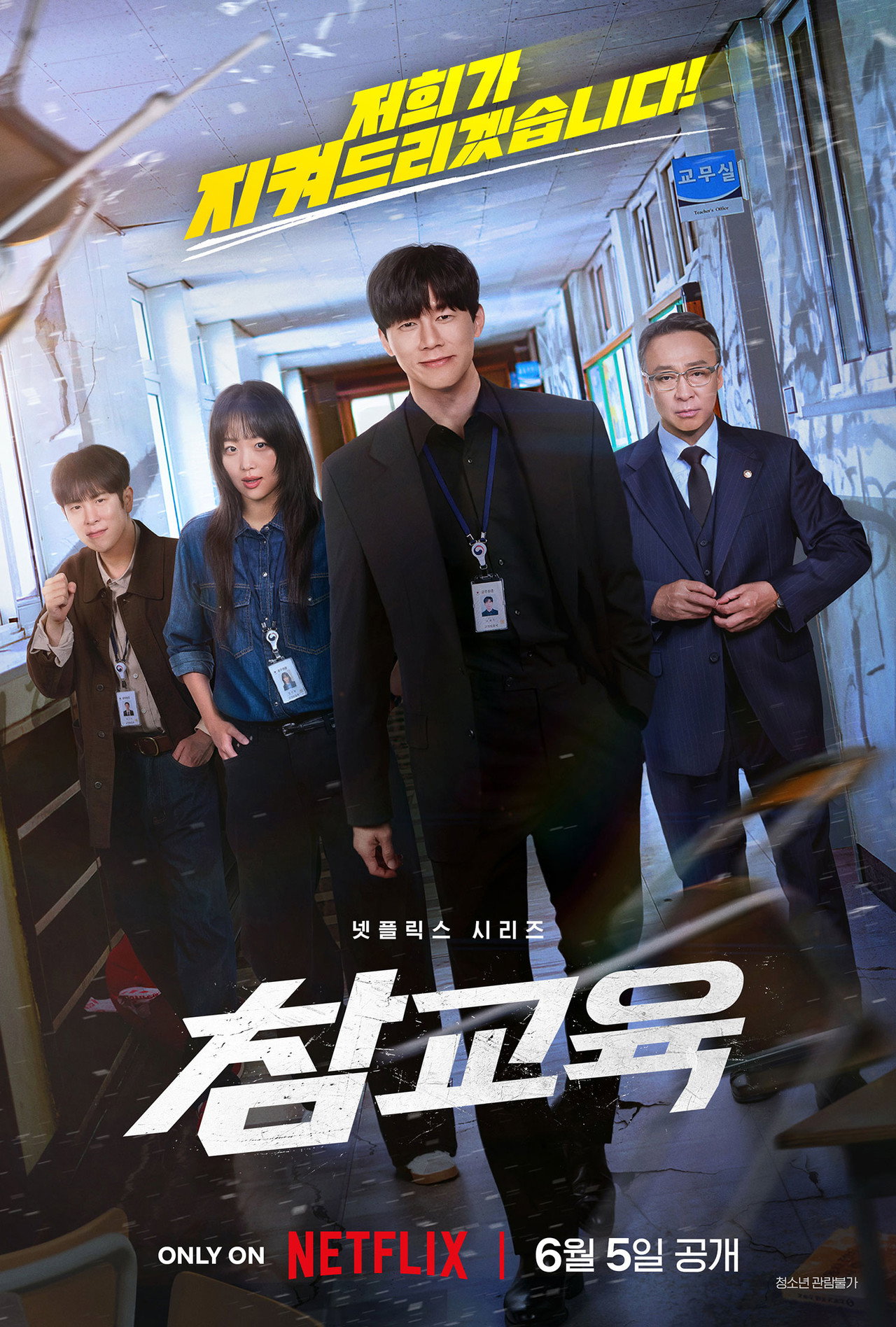
Die Kunst der Disziplin: Eine Analyse von 'Teach You a Lesson'
Teach You a Lesson (참교육) – Review Inhaltsverzeichnis 1. [Einleitung & Serien Einordnung]( einleitung) 2. [Die Prämisse: Gerechtigkeit jenseits des Leh…
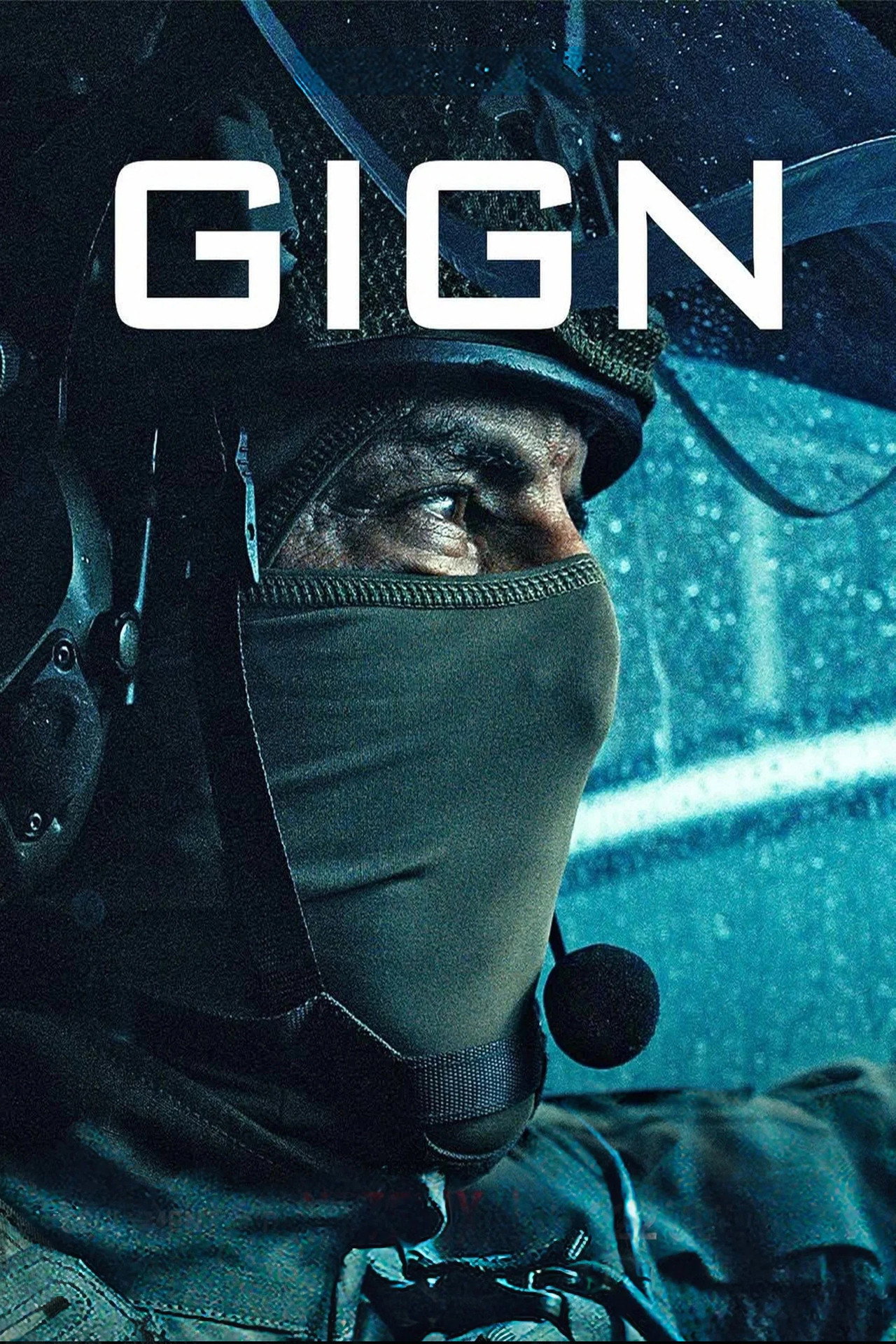
GIGN – Ein meisterhaftes Porträt von Héroismus, Psychology und moralischer Ambivalenz
GIGN – Eine intensive Reifeaktualisierung des Polizeikonditanals Inhaltsverzeichnis 1.Serie Einordnung 2.Prämisse und Setting 3.Charaktere 4.Narrative…

Heated Rivalry Review: Ein intensives Drama über Liebe und Konkurrenz auf dem Eis
Heated Rivalry Review: Ein intensives Drama über Liebe und Konkurrenz auf dem Eis Inhaltsverzeichnis 1. [Einleitung]( einleitung) 2. [Handlung und Erz…
Frequently Asked Questions
How good is Our Sticky Love – Review: An Emotional Journey Without Memory?
Our Sticky Love – Review: An Emotional Journey Without Memory wurde von Nerdiction mit 88 von 100 Punkten bewertet und ist damit excellent.
Is Our Sticky Love – Review: An Emotional Journey Without Memory worth it?
Yes. Our Sticky Love – Review: An Emotional Journey Without Memory received a score of 88/100 points and is excellent.