The Verdict
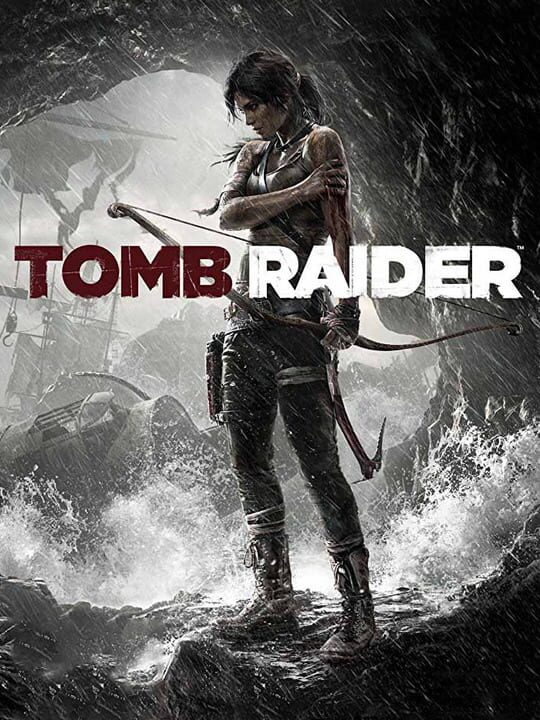
The Nerdiction verdict: Tomb Raider (2013) - The Rebirth of a Legend Review is excellent and receives 88 out of 100 points.
Pro
- Excellent character development and emotional depth
- Stunning graphics and atmospheric presentation
- Perfectly balanced gameplay between action, exploration, and puzzles
Contra
- Multiplayer mode feels unnecessary
- Occasionally overly linear guided sequences
- Some QTE sequences interrupt game flow
Table of Contents
- Introduction
- Story and Atmosphere
- Gameplay Mechanics
- Graphics and Technical Implementation
- Sound Design and Voice Acting
- Level Design and Exploration
- Multiplayer Component
- Conclusion
Introduction
After years of franchise stagnation, Crystal Dynamics took a bold leap in 2013 with a complete reboot of the legendary Tomb Raider series. Instead of merely polishing the established formula, they opted for a radical reinterpretation of the Lara Croft we thought we knew. The result is a gripping survival adventure that brings the icon back to her roots while simultaneously breaking entirely new ground.
Story and Atmosphere
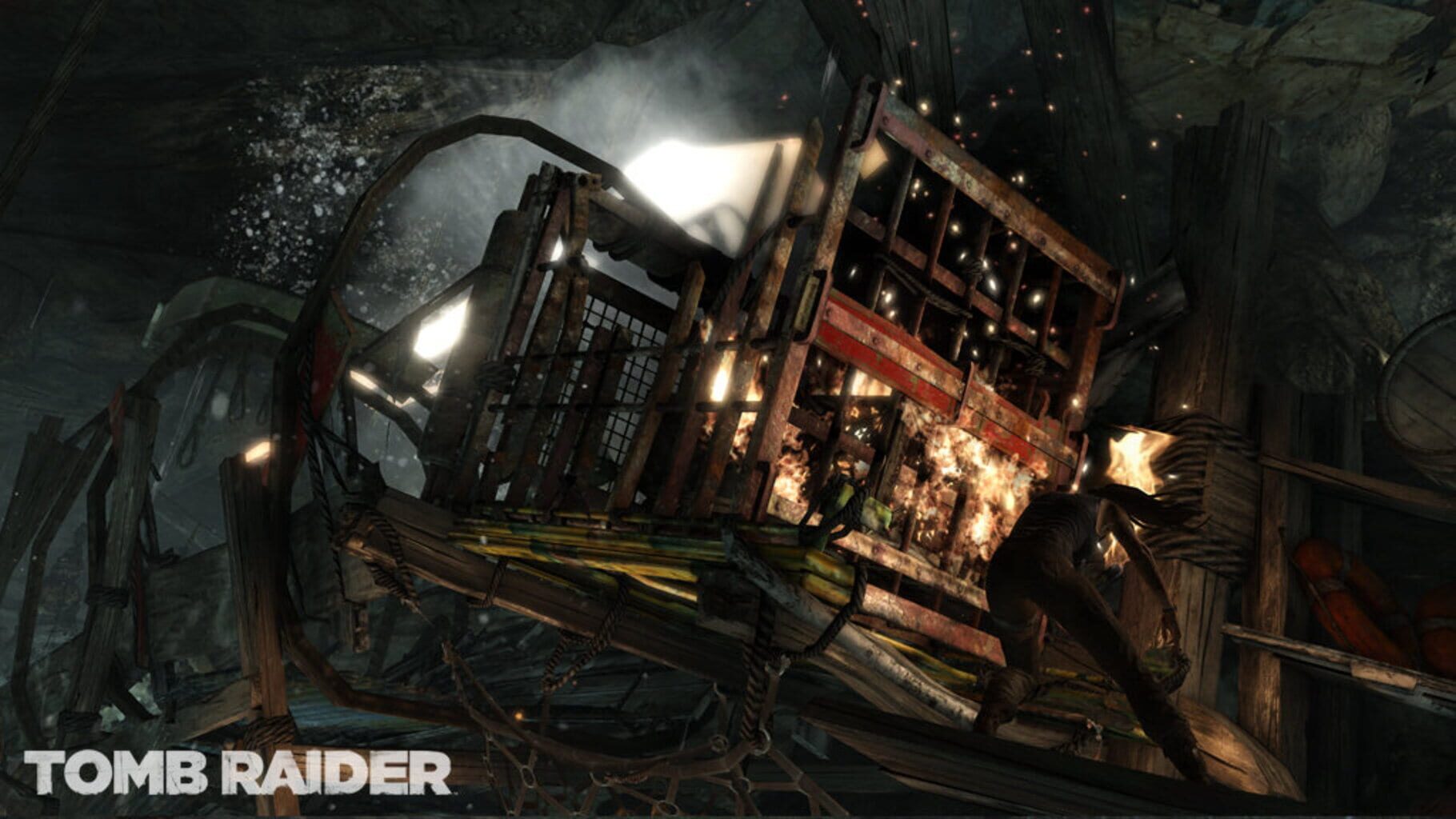
The story begins with a young, inexperienced Lara Croft participating in her first major expedition as an archaeologist. Searching for the mythical kingdom of Yamatai, the research vessel becomes stranded on a mysterious island off the Japanese coast. What follows is a harrowing survival story that transforms Lara from naive student into hardened warrior.
Character development stands at the absolute center of the experience. Crystal Dynamics masterfully shows how the vulnerable young woman becomes the confident adventurer we know from the classic games. This transformation feels organic and believable, supported by excellent dialogue and character moments.
Yamatai island itself becomes the story's second protagonist. Its dark secrets, brutal remnants of past civilizations, and constant threat from natural forces create an atmosphere of dread that permeates the entire game.
Gameplay Mechanics
The combat system skillfully combines various gameplay elements into a cohesive whole. At its center is Lara's iconic bow, used for both combat and environmental puzzles. Fights feel significantly less static than in earlier series entries, with fluid movement and dynamic cover mechanics.
The crafting system integrates seamlessly into the survival theme. Gathering resources and upgrading equipment feels meaningful and supports character development on a mechanical level. Particularly well-implemented are the various tools needed for both navigation and puzzle-solving.
Graphics and Technical Implementation
Visually, Tomb Raider still sets standards even ten years after release. The detailed island environments feel alive and authentic, from wind-swept cliffs to eerie underground temples. Character animations, particularly Lara's facial expressions, convey emotions with impressive precision.
The lighting deserves special mention - it not only creates breathtaking visual moments but also serves gameplay by subtly guiding players through environments. Weather effects and particle systems enhance the feeling of actually being trapped on a hostile island.
Sound Design and Voice Acting
The game's audio side is of exceptional quality. Camilla Luddington gives young Lara Croft an authentic voice that conveys both vulnerability and growing determination. The supporting cast delivers equally convincing performances throughout.
The orchestral soundtrack perfectly underscores the game's various moods, from intimate character moments to action-packed chase sequences. Particularly impressive is the spatial audio design, which proves invaluable when navigating complex level structures.
Level Design and Exploration
Yamatai island is divided into various areas, each offering its own identity and challenges. The level design follows a semi-open approach that cleverly combines linear story segments with free exploration. Optional tombs provide classic Tomb Raider puzzles for series veterans.
Environmental puzzles are intelligently designed and use various tools in creative ways. Platforming sequences feel precise and satisfying without the frustration of earlier series entries. The fast travel system allows players to find missed collectibles later without interrupting game flow.
Multiplayer Component
The asymmetrical multiplayer mode pits survivors against scavengers in various game types. While technically solid, the multiplayer feels like an afterthought and cannot match the quality of the single-player campaign. The modes offer brief entertainment but have little connection to Tomb Raider's core identity.
Conclusion
Tomb Raider (2013) achieves the seemingly impossible: it honors the series' legacy while simultaneously breaking entirely new ground. The reinvention of Lara Croft as a vulnerable yet determined survivor works on every level. The game combines gripping action, thoughtful level design, and an emotionally engaging story into a complete package that thrills both newcomers and veterans.
Minor weaknesses like the superfluous multiplayer mode cannot overshadow the fact that Crystal Dynamics has created a modern classic here. Tomb Raider is not only a successful reboot but also a standalone masterpiece that significantly raises the bar for action-adventure games.
System Requirements
Minimum
Recommended
Das könnte dich auch interessieren
Weitere Reviews aus der Kategorie game.
Ranger’s Path: National Park Simulator – Ein tiefgehender Review
Inhaltsverzeichnis\n [Einleitung]( einleitung)\n [Gameplay & Mechaniken]( gameplay mechaniken)\n [Grafik & Sound]( grafik sound)\n [Benutzeroberfläche…
Forsaken Realms: Vahrin's Call Review: Ausführlicher Test
Inhaltsverzeichnis Einleitung Gameplay, Spielgefühl und Kernsysteme Welt, Struktur, Umfang und Wiederspielwert Technik, Präsentation, Kritik und Fazit…
Active Matter - Ein revolutionärer Zeitschleifen-Shooter, der die Grenzen der Realität sprengt
Inhaltsverzeichnis 1. [Einleitung]( einleitung) 2. [Gameplay und Mechaniken]( gameplay und mechaniken) 3. [Visuelles Design und Atmosphäre]( visuelles…
Frequently Asked Questions
How good is Tomb Raider (2013) - The Rebirth of a Legend Review?
Tomb Raider (2013) - The Rebirth of a Legend Review wurde von Nerdiction mit 88 von 100 Punkten bewertet und ist damit excellent.
What are the pros of Tomb Raider (2013) - The Rebirth of a Legend Review?
The advantages of Tomb Raider (2013) - The Rebirth of a Legend Review: Excellent character development and emotional depth, Stunning graphics and atmospheric presentation, Perfectly balanced gameplay between action, exploration, and puzzles, First-class voice acting and cinematic direction, Thoughtful level design with high replay value.
What are the cons of Tomb Raider (2013) - The Rebirth of a Legend Review?
The disadvantages of Tomb Raider (2013) - The Rebirth of a Legend Review: Multiplayer mode feels unnecessary, Occasionally overly linear guided sequences, Some QTE sequences interrupt game flow, Combat system could use more tactical depth, Collectibles sometimes too numerous and meaningless.
Is Tomb Raider (2013) - The Rebirth of a Legend Review worth it?
Yes. Tomb Raider (2013) - The Rebirth of a Legend Review received a score of 88/100 points and is excellent.
Diskussion
Ich finde die Grafik wirklich beeindruckend – die Detailtreue der Landschaften und die Licht‑Effekte machen das Spiel fast schon zu einer Kunstform. Die Charakterentwicklung von Lara ist tiefgründig und emotional, was den 88‑Punkte‑Score meiner Meinung nach gut rechtfertigt.
Das Gameplay ist ein echtes Highlight: Action, Erkundung und Rätsel sind perfekt ausbalanciert. Besonders die cinematischen Inszenierungen und die erstklassige Vertonung tragen dazu bei, dass man sich in die Geschichte hineinversetzt. Ich habe das Spiel mehrmals neu gestartet, weil ich jedes Level noch einmal erleben wollte.
88 Punkte? Das ist ein sehr guter Score. Die Atmosphäre und die Charakterentwicklung sind wirklich stark – ein Muss für jeden Action‑Adventure‑Fan.
Das Level‑Design ist durchdacht und bietet einen hohen Wiederspielwert. Die verschiedenen Wege und versteckten Bereiche motivieren, das Spiel erneut zu spielen, um nichts zu verpassen. Die Grafik unterstützt das Erlebnis hervorragend.
Ich frage mich, warum der Multiplayer-Modus überhaupt noch im Spiel ist. Für mich wirkt er wirklich überflüssig und stört den Flow. Hat jemand ähnliche Erfahrungen gemacht?
Manchmal fühle ich mich durch die linear geführten Passagen etwas eingeschränkt. Die QTE‑Sequenzen unterbrechen den Spielfluss, aber insgesamt bleibt das Spiel spannend.
Die Musik und die Soundeffekte sind wirklich gelungen – sie verstärken die Stimmung und machen die Erkundung noch atmosphärischer. Ich habe das Spiel oft mit den Kopfhörern gespielt, um die Details zu genießen.
Kritisch muss ich sagen, dass das Kampfsystem etwas zu simpel wirkt. Mehr taktische Tiefe wäre wünschenswert, besonders in den späteren Bosskämpfen. Außerdem sind die Sammelobjekte teilweise zu zahlreich und wenig motivierend.
Die linear geführten Spielpassagen stören mich. Ich hätte gern mehr Freiheit, die Welt zu erkunden, bevor ich zu den Hauptquests geführt werde. Das wirkt manchmal frustrierend.