The Verdict
The Nerdiction verdict: The Great Flood: An Ambitious Korean Apocalyptic Spectacle Between Hope and Despair is good and receives 73 out of 100 points.
Pro
- Convincing ensemble performances and authentic character development
- Impressive cinematography and atmospheric staging of underwater scenes
- Skillful balance between chamber play and spectacle
Contra
- The final act loses focus and feels partially rushed
- Some character arcs are not fully explored toward the end
- The metaphorical elements occasionally become too obvious
Details
September 18, 2025
1h 49m
6.1
/ 10(397 votes)188.3
Genres
Production Companies
Production Countries
Spoken Languages
The Great Flood - Review
Table of Contents
- Introduction
- Plot and Narrative Structure
- Character Development
- Direction and Staging
- Cinematography and Visual Design
- Soundtrack and Sound Design
- Special Effects and Production Design
- Thematic Depth
- Conclusion
Introduction
With "The Great Flood" (대홍수), Korean cinema once again ventures into the territory of apocalyptic thrillers, a genre that has gained international recognition in recent years through works like "Train to Busan" or "The Host." Hwansang Studio Seoul presents us with a dark vision of humanity's possibly final day, where a flooded apartment becomes a microcosm of human survival instinct.
Plot and Narrative Structure
The premise of "The Great Flood" is as simple as it is fascinating: In a completely flooded world, a single apartment becomes the last refuge for a handful of survivors. What begins as a classic survival thriller develops into a multi-layered parable about human nature, hope, and the question of what drives us in the most extreme situations.
The narrative structure follows a classic three-act schema, with the middle section characterized by intense chamber play elements. The restriction to the confined space of the flooded apartment proves to be a double-edged sword: On one hand, it creates an almost unbearable tension and claustrophobia; on the other hand, the film sometimes lacks the big, spectacular moments one might expect from a disaster film.
Character Development
Character development is one of the film's strongest elements. Each of the figures carries their own story of loss and desperation, brought to life through subtle acting nuances. Particularly noteworthy is how the film handles its protagonists' moral dilemmas – without judgment, but with a deep understanding of human complexity.
The ensemble performance is consistently convincing, although some character arcs seem somewhat rushed toward the end. The dialogue is largely natural and avoids the traps of overdramatic pathos that similar productions often fall into.
Direction and Staging
The direction shows an impressive sense of rhythm and tension. Particularly in the first two acts, it succeeds in making a constant threat palpable without resorting to cheap shock moments. The staging of survival struggles feels authentic and largely forgoes exaggerated heroics.
However, the film loses some focus in its final act. The turn toward "humanity's last hope" sometimes feels forced and could have benefited from more careful development.
Cinematography and Visual Design
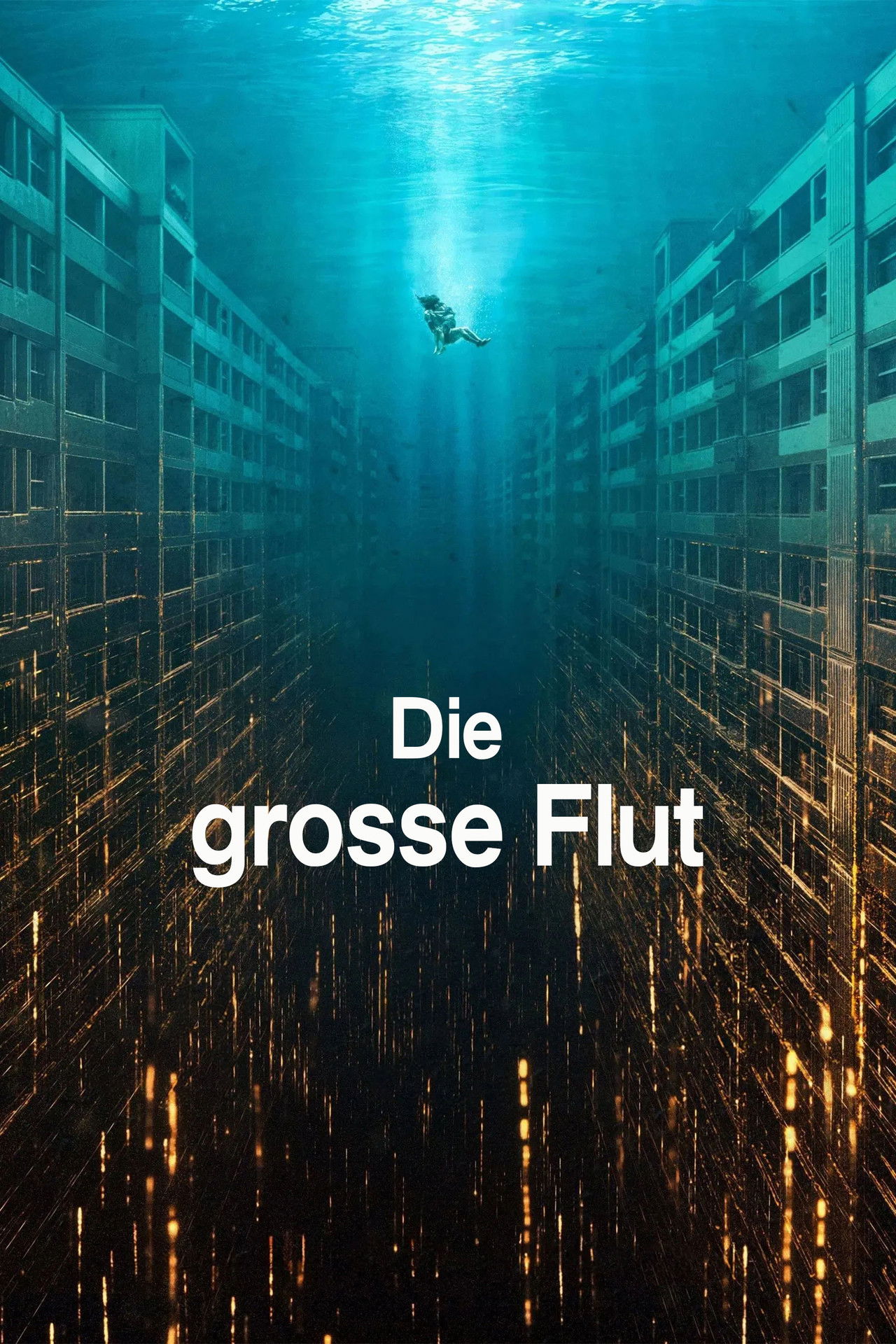
Visually, "The Great Flood" is quite impressive. The camera work cleverly exploits the confined conditions of the flooded rooms to create an oppressive atmosphere. The underwater sequences are particularly successful, being both technically proficient and aesthetically appealing.
The color palette moves skillfully between the cool blues and grays of the omnipresent water and warm accents that symbolize hope and human warmth. The lighting manages to maintain visual clarity even in the darkest moments, never leaving the viewer disoriented.
Soundtrack and Sound Design
The soundtrack supports the film's dark basic mood without being intrusive. Particularly the subtle use of water sounds and the acoustic properties of the flooded rooms contributes to the immersive effect. The music sets targeted emotional accents without undermining the tension.
Special Effects and Production Design
Despite the relatively modest budget, the special effects convince through their credibility. The production design of the flooded apartment is detailed and authentic – you can literally feel the moisture and decay. The balance between practical effects and digital supplements is well achieved, although budget limitations become noticeable in some scenes.
Thematic Depth
"The Great Flood" functions on multiple levels: as a survival thriller, as a climate change allegory, and as a study of human nature under extreme conditions. The film poses important questions about solidarity, willingness to sacrifice, and the definition of hope, without preaching or providing simple answers.
The metaphorical use of water as both destructive and life-giving force is skillfully employed, although it occasionally becomes somewhat too obvious.
Conclusion
"The Great Flood" is an ambitious work that, despite its weaknesses, tells a gripping and emotionally touching story. The film lives from strong acting performances, an oppressive atmosphere, and thoughtful visual design. Even though the final third doesn't quite fulfill the expectations raised by the rest of the film, "The Great Flood" remains a worthwhile contribution to Korean genre cinema that provokes thought and lingers long in memory.
Das könnte dich auch interessieren
Weitere Reviews aus der Kategorie movie.

Das Ende der Sterne – Ridley Scotts stille Apokalypse im Test
Inhaltsverzeichnis [Einleitung]( einleitung) [Handlung & Erzählung]( handlung und erzaehlung) [Schauspiel & Charaktere]( schauspiel und charaktere) [R…
Resident Evil (2026): Eine unfassbar fesselnde Neuinterpretation des Kult-Horrors
Inhaltsverzeichnis [Einleitung]( einleitung) [Handlung & Erzählung]( handlung erzählung) [Schauspiel & Charaktere]( schauspiel charaktere) [Regie & In…
Don't Say Good Luck – Eine herzliche Netflix-Dramedy
Inhaltsverzeichnis [Einleitung]( einleitung) [Handlung & Erzählung]( story und erzaehlung) [Schauspiel & Charaktere]( schauspiel und charaktere) [Regi…
Frequently Asked Questions
How good is The Great Flood: An Ambitious Korean Apocalyptic Spectacle Between Hope and Despair?
The Great Flood: An Ambitious Korean Apocalyptic Spectacle Between Hope and Despair wurde von Nerdiction mit 73 von 100 Punkten bewertet und ist damit good.
What are the pros of The Great Flood: An Ambitious Korean Apocalyptic Spectacle Between Hope and Despair?
The advantages of The Great Flood: An Ambitious Korean Apocalyptic Spectacle Between Hope and Despair: Convincing ensemble performances and authentic character development, Impressive cinematography and atmospheric staging of underwater scenes, Skillful balance between chamber play and spectacle, Multi-layered thematic depth without heavy-handed messaging, Credible special effects despite moderate budget.
What are the cons of The Great Flood: An Ambitious Korean Apocalyptic Spectacle Between Hope and Despair?
The disadvantages of The Great Flood: An Ambitious Korean Apocalyptic Spectacle Between Hope and Despair: The final act loses focus and feels partially rushed, Some character arcs are not fully explored toward the end, The metaphorical elements occasionally become too obvious, Budget limitations become noticeable in individual effect scenes, The turn to 'last hope' could have been developed more carefully.
Is The Great Flood: An Ambitious Korean Apocalyptic Spectacle Between Hope and Despair worth it?
Yes. The Great Flood: An Ambitious Korean Apocalyptic Spectacle Between Hope and Despair received a score of 73/100 points and is good.