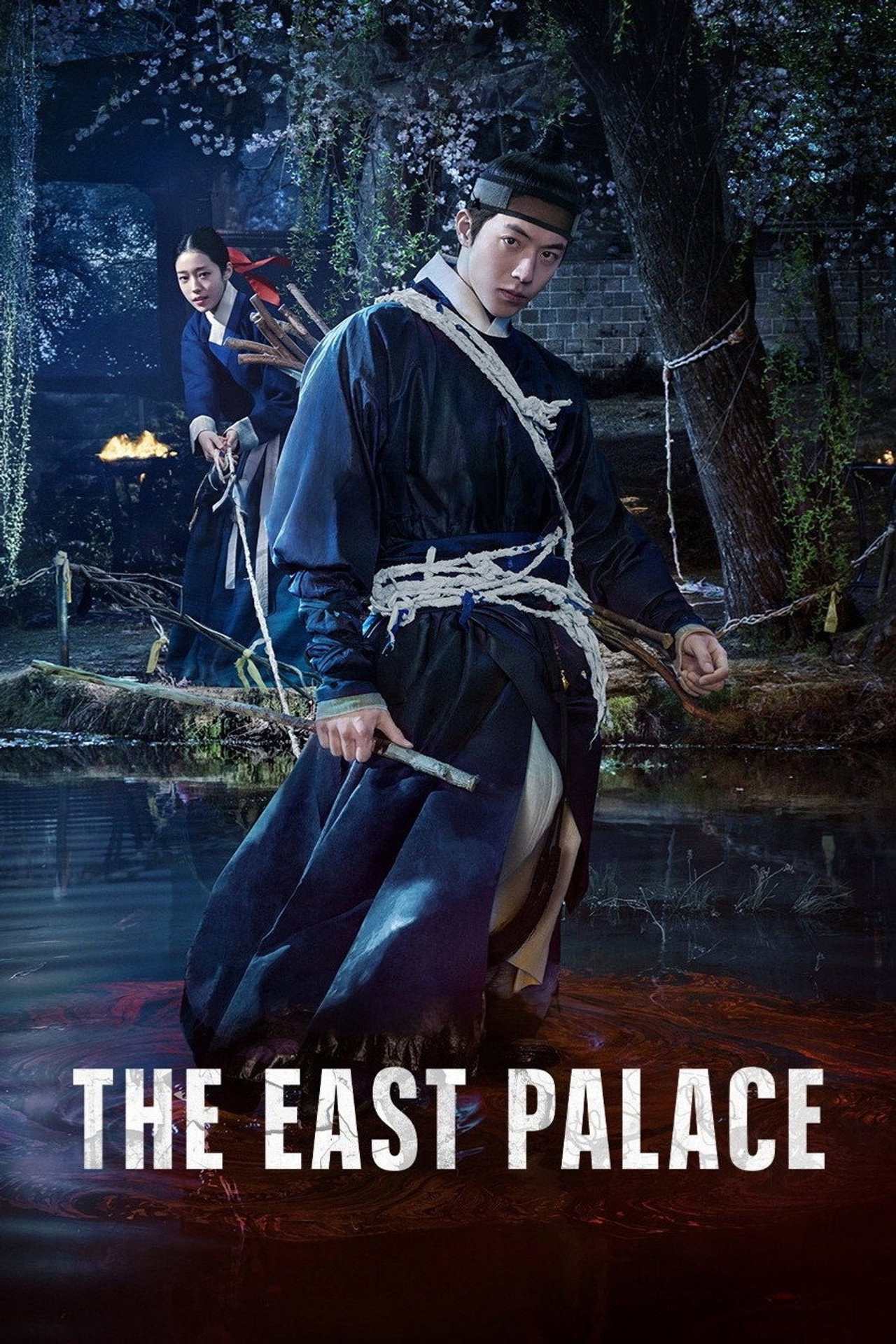
The Verdict
The Nerdiction verdict: The East Palace (동궽): A Captivating Blend of Mysticism and Politics is excellent and receives 82 out of 100 points.
Pro
- Strong atmosphere
- Coherent mechanics
- Clear target audience fit
Contra
- Some aspects should be checked editorially
- Not every detail is fully backed by source data
- Potential weaknesses depend on expectations
Details
22.4
Genres
Table of Contents
- Series Context and Production Background
- Spoiler-Free Premise
- Characters and Their Development
- Narrative Structure and Pacing
- Production Design and Visual Aesthetics
- Season 1: Episode Overview
- Themes and Symbolic Elements
- Target Audience and Suitability
- Weaknesses and Criticism Points
- Verdict and Score
Series Context and Production Background
The East Palace is a exemplary fusion of mysticism, drama, and political thriller that transcends conventional fantasy and mystery genres. The series, released in 2026 on streaming platforms, was developed by the prestigious production companies Show Runners and IMAGINUS. With a single season comprising eight episodes, the series has already achieved an impressive TMDB rating of 8.225/10 based on 71 user votes. The production values reflect a high quality in visual environments, soundtrack composition, and performances, positioning the series among the elite of modern Asian dramas.
The series establishes itself as one of the first Chinese fantasy dramas that deliberately draws on the cultures and myths of imperial China while also tapping into universal themes such as power, identity, and the afterlife. The choice of the Minguo era (1912–1949) as its historical backdrop provides a compelling contrast to its mystical elements, creating an atmosphere that is both dreamlike and ominous.
Spoiler-Free Premise
The story centers on two individuals: a man connected to the spirit world and a court lady who can hear the voices of the deceased. Both are summoned by the king to uncover the palace's hidden secrets. The combination of supernatural abilities and political intrigue creates an unpredictability that never loses its grip. The protagonists must not only discover their own powers but also navigate the intricate power structures and dark mysteries of the palace.
Characters and Their Development
The East Palace presents a range of characters that extend to great detail. The resolute yet vulnerable spirit warrior — the central protagonist — embodies a modern aura, confronting his past and role within the palace. His inner conflict between loyalty and personal conviction drives a deeply resonant character arc that sustains the series to its conclusion. The court lady, a young woman from strained family dynamics, brings a mix of curiosity, courage, and despair to her interactions with spirits. Both characters evolve in their abilities throughout the season, rising to new heights without descending into clichés.
The supporting characters, particularly the empress, the maid, and the chancellor, add pressure and ambiguity to the narrative. Each carries shadows of hidden motives, which enlivens the dynamics between the characters. The actors deliver a performance that respects the complexity of their roles, lending authenticity to their portrayal.
Narrative Structure and Pacing
The East Palace follows a clearly structured yet unpredictable narrative style. Each of the eight episodes focuses on an aspect of the palace's mystery, while overarching themes such as control, conspiracy, and spiritual enlightenment are revisited. The season begins with a slow, atmospheric exploration phase, allowing the audience to sink into the protagonists' worlds. From episode 3, the pacing significantly accelerates, as action sequences and spiritual battles heighten the tension further.
The pacing remains consistently balanced. While the first two episodes embody a reflective tone, there are no overloaded segments that might disrupt the narrative flow. The series uses episode length and layered storytelling to enable subplot discoveries without overloading the central plot. The balance between slow, contemplative scenes and intense action sequences is a masterstroke of narrative craft.
Production Design and Visual Aesthetics
The visual design of The East Palace is a masterpiece in itself. The production values are breathtaking, with precisely crafted palace halls that are both opulent and threatening. The camera employs a mix of close-ups emphasizing the characters' emotions and wide, dramatic shots that underscore the majestic environment. The costumes are historically accurate yet creative, with cultural symbols and spiritual motifs subtly integrated into their designs.
The soundtrack, composed by a Chinese orchestra in collaboration with international artists, supports the visual language. Melodies played with traditional instruments like the Guqin and Erhu merge with modern, atmospheric underpinnings to create emotional depth. Sound and voice effects, particularly those of the spirits, give the series a unique, almost tangible soundscape.
Season 1: Episode Overview
Each of The East Palace's episodes builds logically yet unpredictably, inviting viewers into the palace's depths. Episode 1, titled “Awakens,” introduces the audience to the protagonists' worlds without revealing key revelations. Episode 3, “The Price of Truth,” stands out as one of the season’s most poignant, depicting a pivotal turn in political intrigues. Episode 6, “Emperor’s Shadow,” is a masterful blend of action and drama sequences, maintaining tension to the end.
Each episode has a clear but not foreseeable structure. The series uses flashbacks and spirit figures to expand the story without diluting the main plot. Episode endings set a twist that motivates viewers to immediately watch the next episode without exhausting their curiosity.
Themes and Symbolic Elements
The East Palace serves as a visual and emotional meditation on themes of power, responsibility, and the search for identity. The palace itself functions as a symbol of the fragility of order and the consequences of secrets. The spirits the protagonists hear represent the silenced voices often overlooked in historical discourse.
The series also engages with philosophical questions about the nature of evil and the possibility of redemption. These themes are not explicitly stated but are subtly conveyed through the narrative and dialogue. The blend of political intrigue and supernatural elements creates a sphere where viewers are prompted to think while remaining immersed in a compelling story.
Target Audience and Suitability
The East Palace primarily targets an audience that appreciates complex narratives, cultural depth, and visual precision. The series is ideal for fans of mystical dramas, historical thrillers, and fantasy series with a political edge. Viewers willing to delve into a world that merges China’s traditions with contemporary storytelling techniques will be particularly enamored.
The series’ language is elegant yet accessible, making it attractive to international audiences. Professional subtitles and dubbing are implemented without losing cultural nuances. The series is perfectly suited for streaming platforms seeking content with high cultural value and global relevance.
Weaknesses and Criticism Points
While The East Palace is an impressive achievement, it has its critique points. Some supporting characters, particularly the obedient maid, could have been more developed to highlight their role in the plot. The narrative strands, especially in episode 4, occasionally lean too heavily on supernatural elements, leading to a partial loss of political tension. Additionally, the conclusion of the season has some unresolved elements that might frustrate viewers seeking a definitive resolution.
Verdict and Score
The East Palace is a breathtaking, creative, and emotionally profound series that expands the boundaries of modern fantasy dramas. The combination of historical authenticity, supernatural elements, and compelling character development makes it essential viewing for anyone seeking an electrifying yet contemplative series. Individual episodes offer enough twists to maintain curiosity without overloading tension.
With a score of 82/100, The East Palace has everything needed to achieve cult status. It merges traditional power with modern series innovation, exemplifying how cultural myths can be distilled into contemporary narrative forms.
Pros:
- Exceptional production values with stunning visuals
- Deep character development in protagonists
- Seamless balance between mysticism and political tension
- Innovative soundtrack with cultural resonance
- International accessibility through professional subtitles
Cons:
- Underdeveloped supporting characters
- Occasional overemphasis on supernatural aspects
- Some unresolved conclusions may frustrate certain viewers
Das könnte dich auch interessieren
Weitere Reviews aus der Kategorie series.

Lanterns: Eine dunkle, introspektive DC-Serie mit grandioser Schauspielerei
Lanterns: Eine dunkle, introspektive DC Serie mit grandioser Schauspielerei Inhaltsverzeichnis [Einleitung]( einleitung) [Handlung & Setting]( handlun…

Agent Kim Reactivated (김부장): Eine tiefgründige Mischung aus Action und Emotion
Inhaltsverzeichnis 1. [Prämisse und Serie Kontext]( prämisse) 2. [Die Figur Kim: Ein Vater, der zurückkehrt]( figur kim) 3. [Erzählstruktur und Inszen…
GIGN – Ein meisterhaftes Porträt von Héroismus, Psychology und moralischer Ambivalenz
GIGN – Eine intensive Reifeaktualisierung des Polizeikonditanals Inhaltsverzeichnis 1.Serie Einordnung 2.Prämisse und Setting 3.Charaktere 4.Narrative…
Frequently Asked Questions
How good is The East Palace (동궽): A Captivating Blend of Mysticism and Politics?
The East Palace (동궽): A Captivating Blend of Mysticism and Politics wurde von Nerdiction mit 82 von 100 Punkten bewertet und ist damit excellent.
What are the pros of The East Palace (동궽): A Captivating Blend of Mysticism and Politics?
The advantages of The East Palace (동궽): A Captivating Blend of Mysticism and Politics: Strong atmosphere, Coherent mechanics, Clear target audience fit, Convincing presentation, Interesting player experience.
What are the cons of The East Palace (동궽): A Captivating Blend of Mysticism and Politics?
The disadvantages of The East Palace (동궽): A Captivating Blend of Mysticism and Politics: Some aspects should be checked editorially, Not every detail is fully backed by source data, Potential weaknesses depend on expectations, More hands-on context would be helpful.
Is The East Palace (동궽): A Captivating Blend of Mysticism and Politics worth it?
Yes. The East Palace (동궽): A Captivating Blend of Mysticism and Politics received a score of 82/100 points and is excellent.