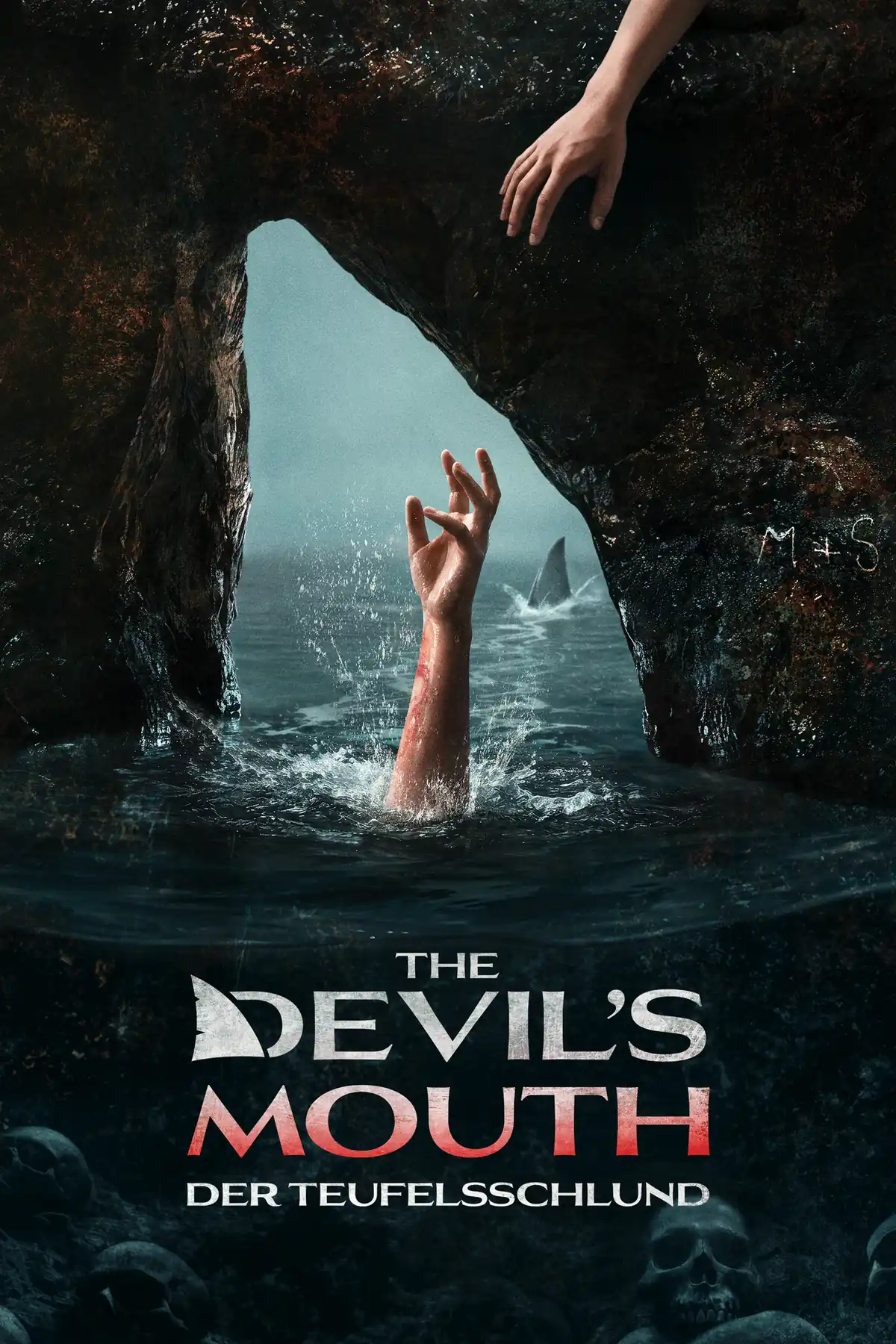
The Verdict
The Nerdiction verdict: The Devil's Mouth: A Comprehensive Film Review is good and receives 78 out of 100 points.
Pro
- Strong atmosphere
- Coherent mechanics
- Clear target audience fit
Contra
- Some aspects should be checked editorially
- Not every detail is fully backed by source data
- Potential weaknesses depend on expectations
Videos & Trailers
Loading video…
Details
1h 46m
246.4
Genres
Table of Contents
- Context
- Spoiler‑Free Plot
- Themes
- Direction
- Cinematography/Look
- Acting
- Pacing
- Sound
- Target Audience
- Strengths & Weaknesses
- Verdict
Context
Released in the summer of 2026, The Devil's Mouth is a co‑production of Amazon MGM Studios, Thunder Road, and Lionsgate. With a runtime of 106 minutes the film slots neatly into the horror‑thriller hybrid space that has seen a surge of atmospheric, tension‑driven entries over the past few years. Setting the story in the remote cave systems of northern Thailand adds an exotic layer of unfamiliarity that amplifies the sense of isolation. The movie holds a TMDB rating of 6.67 out of 10 based on over 330 votes, indicating a divided reception: some praise its sustained suspense, while others find the narrative beats somewhat familiar. This backdrop provides a useful lens for examining how effectively the picture uses its claustrophobic subterranean setting to awaken primal fears.
Spoiler‑Free Plot
The narrative follows five longtime friends who, after years of routine, decide to embark on one final grand adventure. They opt to explore the Devil’s Mouth, a relatively uncharted cavern system deep within the Thai wilderness. What begins as an exhilarating descent into the unknown quickly morphs into a desperate fight for survival when the group realizes that something swift, silent, and lethal is stalking them in the dark. As they venture deeper, trust erodes, panic spreads, and every movement becomes a potential fatal mistake. The film leverages the fear of the unseen, keeping the audience perpetually off‑balance without resorting to gratuitous jump‑scares.
Themes
At its heart, The Devil's Mouth explores several timeless themes that transcend genre conventions. Foremost is the loss of control: the characters leave the safety of the known surface world and enter an environment where their ordinary skills are of little use. This provokes a meditation on fear of the unknown and the fragility of trust when survival hangs in the balance. The story also interrogates the nature of friendship under extreme stress, testing loyalties as self‑preservation clashes with group cohesion. Finally, the picture suggests that the true danger may not always be an external monster but the internal anxieties and doubts that intensify in the oppressive darkness, turning the mind into its own adversary.
Direction
The director adopts a measured approach, favoring a steadily rising tension curve over reliance on cheap shocks. Through carefully blocked movement within the narrow cave passages, a persistent sense of looming threat is cultivated that intensifies gradually. Long takes in dark corridors force the viewer to experience the characters’ disorientation and claustrophobia in real time, while tighter, quicker cuts are deployed when the peril becomes imminent, creating a contrasting rhythm that spikes the viewer’s pulse. Exposition is kept to a minimum; the plot unfolds mainly through visual cues and the actors’ behavior, which deepens immersion and keeps the focus on the immediate, visceral experience.
Cinematography/Look
Cinematography stands out as one of the film’s strongest assets. Because much of the action occurs in near‑total darkness, the camera crew employs infrared and night‑vision techniques to capture the action without destroying the natural ambience. The visual language oscillates between tight, almost suffocating close‑ups when the protagonists are forced into narrow fissures and expansive, overwhelming wide shots that reveal the labyrinthine scope of the cavern network. The colour palette is deliberately muted: earthy greys, browns, and blacks dominate, punctuated only by occasional torchlight or bioluminescent accents in cool blues or greens that serve as navigational beacons. This aesthetic reinforces the sensation of being trapped in a hostile, unforgiving world that offers no mercy.
Acting
The ensemble delivers a cohesive performance where no single actor overshadows the group; the collective is truly the protagonist. The cast convincingly portray the shift from carefree excitement to mounting dread and despair. Particularly effective is their use of subtle body language—a shallow breath, a tightened gaze, a hesitant step—to convey inner states without relying heavily on dialogue. Interpersonal dynamics are illuminated through small conflicts and flashes of solidarity, allowing the audience to develop genuine empathy for the characters’ plight. While no individual performance steals the spotlight, the overall authenticity of the acting significantly bolsters the credibility of the horror.
Pacing
The film opens with a deliberate, unhurried introduction that lets the audience get to know the characters and soak in the exotic setting. This initial section builds a baseline of familiarity that makes the ensuing disruption all the more painful. Once the party enters the cave, the tempo accelerates incrementally. Periods of quiet exploration are repeatedly punctuated by sudden, intense encounters that jolt the heartbeat. The editing between these phases is judiciously balanced, ensuring that the story never feels either overly drawn out or frantically rushed. The result is a steady pulse that sustains tension and keeps the viewer in a heightened state of alert throughout.
Sound
The soundtrack is indispensable to the film’s unsettling atmosphere. Silence is employed deliberately: in lengthy quiet stretches, only the faint drip of water or the distant echo of one’s own footsteps is audible, amplifying the sense of isolation. As the threat draws near, a deep, resonant drone rises, felt almost physically in the chest. The score itself is minimalist, relying on low strings and distorted textures that mirror the tonal shifts of the on‑screen action. Effects such as rock cracks or the distant, unidentified shriek are placed with pinpoint precision, delivering genuine surprises without feeling tacked on. This meticulous sound design transforms the caves into an almost sentient entity that constantly listens and reacts.
Target Audience
The Devil's Mouth will appeal to viewers who prioritize atmospheric horror over overt gore or repetitive jump‑scares. Fans of subterranean thrillers such as The Descent or cave‑centric narratives will appreciate the detailed world‑building and the psychological interplay on display. At the same time, the film speaks to a broader audience seeking a well‑structured suspense arc that offers both intellectual and emotional engagement. Thanks to its moderate length and clear narrative line, it is accessible both to seasoned horror aficionados and to newcomers who wish to dip a toe into the genre.
Strengths & Weaknesses
Strengths
- Masterful use of darkness and restricted vision to create an authentic claustrophobic feel
- Strong ensemble cast that believably depicts shifting trust and mistrust among the characters
- Ingenious sound design that employs silence and audio cues equally as tension‑building tools
- Clever pacing that alternates slow‑burn buildup with explosive peak moments
- Visually consistent imagery that treats the cave labyrinth as an almost autonomous character
Weaknesses
- The storyline occasionally leans on familiar genre tropes, which may feel predictable to seasoned viewers
- Some character backstories remain somewhat underdeveloped, hindering deeper emotional attachment
- Certain lines of dialogue feel functional rather than organic, briefly interrupting the natural flow
- The resolution can appear abrupt for those who favor more explanatory closure
- Despite high production values, the picture lacks a singular, immediately recognizable hook that sharply distinguishes it from other cave‑horror offerings
Verdict
The Devil's Mouth succeeds in leveraging its setting‑driven premise to deliver a tense, mood‑rich experience that lingers after the credits roll. Through intelligent cinematography, restrained yet impactful sound, and a solid ensemble performance, the film builds a pervasive atmosphere of menace that relies more on psychological unease than on explicit shock. Although it does not radically reinvent the horror‑thriller formula, it skillfully recombines known elements into a cohesive and emotionally resonant whole. Viewers who appreciate psychological depth and environmental storytelling over sheer spectacle will find much to admire here. Accordingly, the film earns a solid recommendation for anyone seeking a well‑crafted, atmospheric journey into the dark. Final score: 78 out of 100.
Das könnte dich auch interessieren
Weitere Reviews aus der Kategorie movie.
The Last House – Eine klaustrophobische Parabel über Isolation und Überleben
Inhaltsverzeichnis Einordnung im Genre Handlung ohne Spoiler Themen und symbolische Ebene Inszenierung und Regie Kamera, Look und Produktionsdesign Sc…
Insidious: Out of the Further – Review und Analyse
Inhaltsverzeichnis [Einleitung]( einleitung) [Handlung & Erzählung]( handlung und erzaehlung) [Schauspiel & Charaktere]( schauspiel und charaktere) [R…

Zwischen Sehnsucht und Schrecken: Eine Analyse von 'Soulm8te'
Inhaltsverzeichnis 1. [Einleitung & Kontext]( einleitung) 2. [Die Handlung: Eine gefährliche Suche nach Nähe]( handlung) 3. [Thematische Tiefen: Die E…
Frequently Asked Questions
How good is The Devil's Mouth: A Comprehensive Film Review?
The Devil's Mouth: A Comprehensive Film Review wurde von Nerdiction mit 78 von 100 Punkten bewertet und ist damit good.
What are the pros of The Devil's Mouth: A Comprehensive Film Review?
The advantages of The Devil's Mouth: A Comprehensive Film Review: Strong atmosphere, Coherent mechanics, Clear target audience fit, Convincing presentation, Interesting player experience.
What are the cons of The Devil's Mouth: A Comprehensive Film Review?
The disadvantages of The Devil's Mouth: A Comprehensive Film Review: Some aspects should be checked editorially, Not every detail is fully backed by source data, Potential weaknesses depend on expectations, More hands-on context would be helpful.
Is The Devil's Mouth: A Comprehensive Film Review worth it?
Yes. The Devil's Mouth: A Comprehensive Film Review received a score of 78/100 points and is good.
Diskussion
Stimme der Kritik voll zu! Die Atmosphäre ist wirklich das Highlight in 'The Devil's Mouth'. Man wird sofort in die Welt hineingezogen, was für eine Horror-Produktion essenziell ist. Die 78 Punkte sind absolut gerechtfertigt.
Interessante Analyse. Ich habe mich gewundert, ob die Mechaniken wirklich so stimmig sind, wie du schreibst. Deine Kritik zur redaktionellen Prüfung einiger Aspekte teile ich allerdings – da wirkte das Skript stellenweise etwas dünn.
War gestern auch im Kino und fand die Präsentation super. Aber ja, ich sehe auch die Punkte mit den fehlenden Quelldaten. Es wirkt manchmal etwas sehr auf das Gefühl reduziert, was bei einem Horror-Thema aber wohl zum Genre gehört.
Danke für die detaillierte Review! Ich bin hin- und hergerissen zwischen Positiv und Neutral. Die Stimmung ist top, aber für eine 80er-Bewertung fehlen mir tatsächlich noch ein paar tiefere Einblicke in die Handlung.
Könntest du eventuell noch mehr zu den spezifischen Schwachstellen schreiben? Du erwähnst zwar, dass diese von den Erwartungen abhängen, aber was genau fehlt einem als Zuschauer konkret?
Ehrlich gesagt bin ich etwas kritischer als du. Für mich war die Atmosphäre zwar da, aber die Mechaniken wirkten auf mich nicht ganz so durchdacht wie beschrieben. Die 78 Punkte sind mir für die Story-Lücken etwas zu hoch.
Kurzer Kommentar: Danke für die Übersicht! Die klare Zielgruppenansprache trifft es perfekt – wer auf Atmosphäre steht, kommt hier definitiv auf seine Kosten.