The Verdict
The Nerdiction verdict: Split Fiction - An Imaginative Co-op Adventure Between Dreams and Reality is excellent and receives 82 out of 100 points.
Pro
- Innovative asymmetrical co-op mechanics
- Breathtaking visual contrasts between the two worlds
- Clever puzzle design that encourages communication
Contra
- Some later puzzles potentially too complex for casual players
- Minor collision detection bugs
- Doesn't quite reach the emotional depth of its predecessor
Videos & Trailers
Loading video…
Loading video…
Loading video…
Loading video…
Split Fiction - Review
Table of Contents
- Introduction
- Gameplay and Mechanics
- Co-op Experience
- Visual Design and Atmosphere
- Puzzle Design
- Character Development
- Technical Performance
- Conclusion
Introduction
Hazelight Studios has already proven with "It Takes Two" that innovative co-op games can conquer a niche many had declared dead. With "Split Fiction," they're now tackling an even more ambitious project: a narrative platform-puzzle adventure that blurs the lines between reality and fantasy.
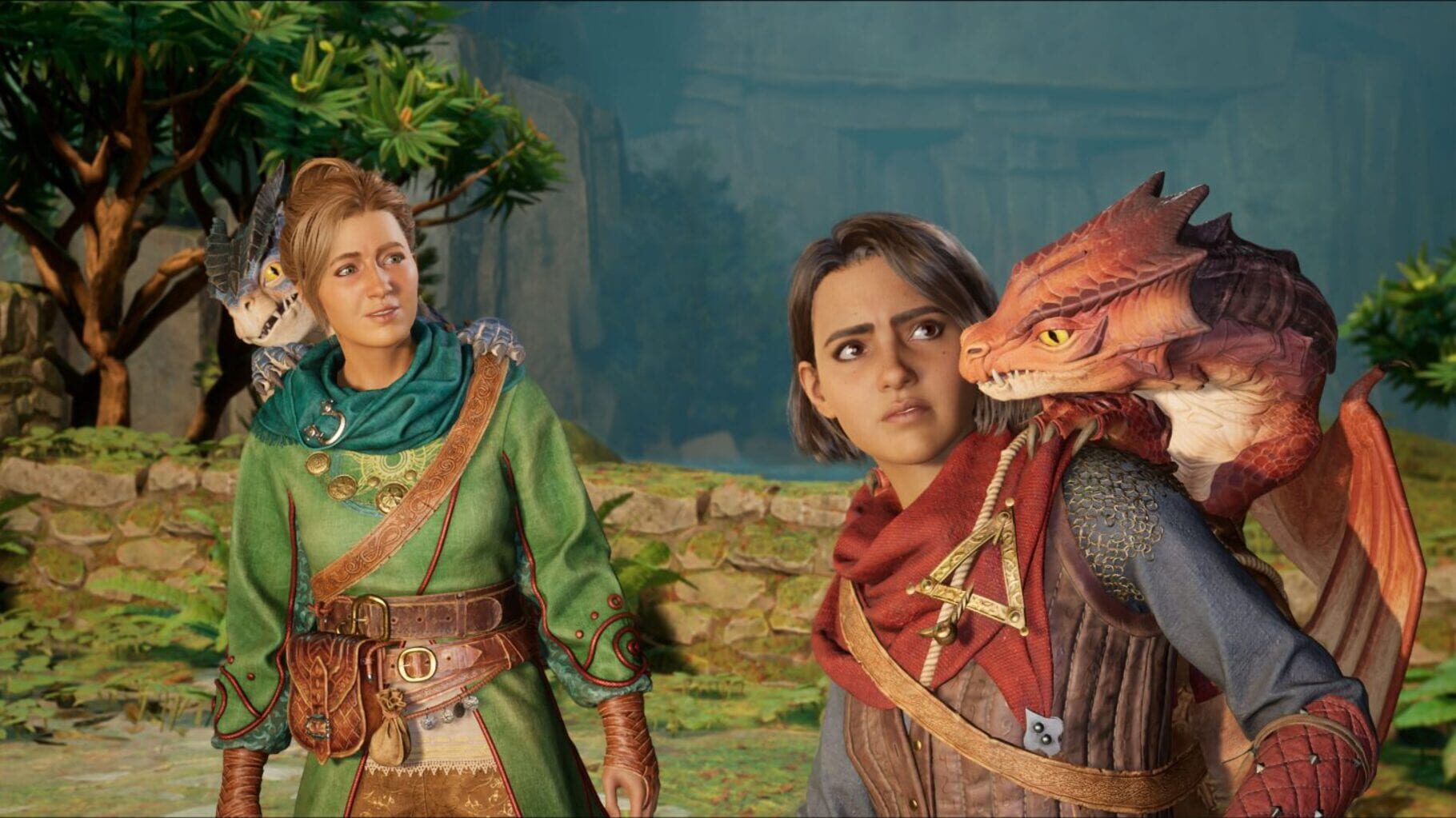
The story follows two writers, Mio Hudson and Zoe Foster, who suddenly find themselves trapped within their own literary worlds. What initially sounds like a simple premise unfolds into a multilayered narrative about creativity, friendship, and the power of imagination.
Gameplay and Mechanics
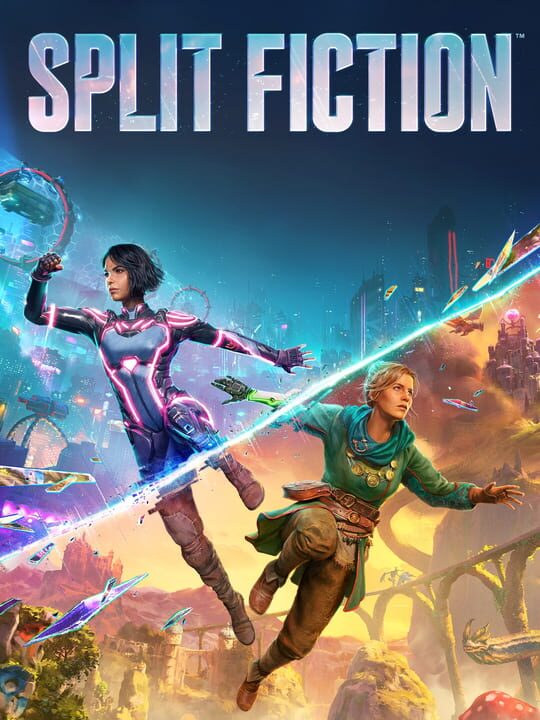
The heart of Split Fiction lies in its asymmetrical co-op mechanics. While Mio is trapped in a dark, noir-inspired cyberpunk world, Zoe navigates through a colorful fantasy landscape filled with magical creatures. This dichotomy is not only visually striking but also fundamentally influences the gameplay.
Each writer possesses world-specific abilities: Mio can manipulate holograms and deploy hacking tools, while Zoe casts spells and communicates with mythical beings. The developers have brilliantly ensured that both playstyles are equally satisfying and essential for progression.
The platforming elements are precise and responsive. Jumping sequences feel weighty without becoming sluggish, and the various movement options – from Mio's grappling hook to Zoe's teleportation abilities – expand the gameplay organically.
Co-op Experience
Split Fiction masterfully understands how to foster genuine cooperation without relegating one player to passive observation. Both worlds are constantly interconnected – actions in Mio's cyberpunk reality affect Zoe's fantasy world and vice versa. This creates moments of genuine collaboration where communication is not just helpful but absolutely necessary.
Particularly brilliant are the "Cross-Reality" moments where both worlds overlap, requiring players to act together in a merged environment. These sequences rank among the game's emotional and gameplay highlights.
Visual Design and Atmosphere
Visually, Split Fiction is a feast for the eyes. The contrasts between Mio's neon-lit, rain-soaked metropolis and Zoe's vibrant, magic-infused landscapes are breathtakingly staged.
The art direction supports not only aesthetics but also gameplay. Different color palettes help identify interactive elements, while lighting is cleverly used to direct attention and create mood.
The soundtrack, composed by a team led by David Garcia, dynamically adapts to both worlds, creating seamless transitions between electronic and orchestral elements.
Puzzle Design
The puzzles in Split Fiction are consistently cleverly designed and avoid the usual pitfalls of the genre. Rather than relying on obscure logic or trial-and-error methods, they follow comprehensible internal consistency.
Particularly successful are the "Mirror Puzzles," where both players must solve seemingly identical tasks in their respective worlds, only to discover that subtle differences form the key to the solution. These moments foster communication and collaborative problem-solving in a very natural way.
The difficulty curve is largely balanced, though some puzzles in the later game progression might become too complex for casual players.
Character Development
Mio and Zoe are more than just avatars – they are fully realized characters with their own personalities, fears, and dreams. Their dialogue feels natural and develops organically over the 12-15 hour playtime.
Character development is also reflected in the gameplay. As the story progresses, both learn new abilities that aren't just mechanical upgrades but reflect their emotional and creative development.
Technical Performance
Technically, Split Fiction runs largely smoothly. The framerate remains stable at 60 FPS even in complex scenes with many visual effects. Loading times are minimal, which is especially important for online co-op.
Some minor bugs, mainly with collision detection, slightly mar the otherwise polished experience. However, these are rarely gamebreaking and are expected to be resolved through post-launch updates.
Conclusion
Split Fiction is an ambitious and largely successful experiment in cooperative storytelling. It combines innovative gameplay mechanics with a touching story and breathtaking presentation.
While it doesn't quite reach the emotional depth of "It Takes Two," it establishes itself as a worthy successor and proves that the co-op adventure market still holds much untapped potential. For fans of the genre and anyone seeking a unique shared gaming experience, Split Fiction is a clear recommendation.
System Requirements
Minimum
Recommended
Das könnte dich auch interessieren
Weitere Reviews aus der Kategorie game.
Desktop Explorer
Einleitung Desktop Explorer is an eerie point n click mystery game through the abandoned profiles of an old PC. Rummage through the abandoned profiles…
Review: Seina: A Tale Of Spirits – Eine Reise der leisen Magie
Inhaltsverzeichnis [Einleitung]( einleitung) [Story & Erzählung]( story und erzaehlung) [Gameplay & Mechaniken]( gameplay und mechaniken) [Grafik & Pr…
Lootbound im Test – Taktik, Loot und dunkle Fantasy
Inhaltsverzeichnis [Einleitung]( einleitung) [Story & Erzählung]( story und erzaehlung) [Gameplay & Mechaniken]( gameplay und mechaniken) [Grafik & Pr…
Frequently Asked Questions
How good is Split Fiction - An Imaginative Co-op Adventure Between Dreams and Reality?
Split Fiction - An Imaginative Co-op Adventure Between Dreams and Reality wurde von Nerdiction mit 82 von 100 Punkten bewertet und ist damit excellent.
What are the pros of Split Fiction - An Imaginative Co-op Adventure Between Dreams and Reality?
The advantages of Split Fiction - An Imaginative Co-op Adventure Between Dreams and Reality: Innovative asymmetrical co-op mechanics, Breathtaking visual contrasts between the two worlds, Clever puzzle design that encourages communication, Strong character development and natural dialogue, Stable technical performance and smooth gameplay.
What are the cons of Split Fiction - An Imaginative Co-op Adventure Between Dreams and Reality?
The disadvantages of Split Fiction - An Imaginative Co-op Adventure Between Dreams and Reality: Some later puzzles potentially too complex for casual players, Minor collision detection bugs, Doesn't quite reach the emotional depth of its predecessor, Solo play with AI partner significantly less satisfying, Relatively short playtime for full price.
Is Split Fiction - An Imaginative Co-op Adventure Between Dreams and Reality worth it?
Yes. Split Fiction - An Imaginative Co-op Adventure Between Dreams and Reality received a score of 82/100 points and is excellent.
Diskussion
Ich habe Split Fiction ebenfalls gespielt und finde die asymmetrische Koop-Mechanik wirklich genial. Die Art, wie die beiden Welten sich ergänzen, hält mich ständig auf Trab. Der Score von 82 spiegelt meiner Meinung nach die Balance zwischen Innovation und Zugänglichkeit gut wider.
Die visuellen Kontraste zwischen Traum und Realität sind wirklich atemberaubend. Ich habe mich besonders an den Übergängen gefreut, die nicht nur optisch sondern auch spielmechanisch spannend sind. Das Puzzle-Design fördert die Kommunikation, was bei Koop-Spielen selten so gut umgesetzt wird.
Ich war etwas enttäuscht, dass die Solo-Variante mit AI nicht so befriedigend ist, aber das ist verständlich, weil die Chemie zwischen zwei echten Spielern fehlt. Trotzdem finde ich die Charakterentwicklung und die natürlichen Dialoge ein Highlight. Der Score von 82 ist fair, weil das Spiel zwar kurz ist, aber dafür sehr gut ausbalanciert.
Die Bugs bei der Kollisionserkennung sind zwar störend, aber nicht spielentscheidend. Ich habe sie kaum bemerkt, weil die meisten Rätsel schnell gelöst wurden. Trotzdem wäre ein Patch schön, um die Immersion zu stärken.
Die emotionale Tiefe fehlt ein wenig im Vergleich zum Vorgänger, aber das Spiel kompensiert mit einer starken Storyline und gut geschriebenen Charakteren. Ich habe mich besonders an die Szene erinnert, in der die beiden Protagonisten ihre Vergangenheit teilen. Das macht das Spiel trotz der kurzen Laufzeit sehr einprägsam.
Ich finde die asymmetrische Koop-Mechanik interessant, aber die späteren Rätsel wirken manchmal zu komplex. Trotzdem hat das Spiel einen guten Flow und die Grafik überzeugt mich.
Der Score von 82 ist für mich angemessen, weil das Spiel zwar kurz ist, aber die Qualität der Mechaniken und der Story hoch ist. Ich hätte mir mehr Zeit in der Welt gewünscht, aber das ist kein großer Nachteil.
Ich spiele selten Koop-Spiele, aber Split Fiction hat mich überzeugt. Die Kommunikation zwischen den Spielern ist gut umgesetzt, und die Grafik ist ein Highlight. Ich würde das Spiel weiterempfehlen.
Der Score von 82 erscheint mir etwas zu hoch, weil die Spielzeit sehr kurz ist und die emotionale Tiefe nicht ganz erreicht wird. Außerdem sind die Bugs bei der Kollisionserkennung störend, besonders in den späteren Levels, wo man sich leicht verirrt.