Watch
Videos & Trailers
All attached clips stay close to the review for quick context before or after reading.
Loading video...
Loading video...
Loading video...
Available at
Table of Contents
- Introduction
- Gameplay, Game Feel and Core Systems
- World, Structure, Scope and Replayability
- Tech, Presentation, Criticism and Verdict
- Verdict
Introduction
Select spell-dice for your loadout, roll them and wreak absolute havoc! This high-paced pixelart roguelite will let you build unique loadouts with extremely interactable spells. Let's roll some bones!
Core Gameplay
At its heart, Roll The Bones revolves around the selection and rolling of spell‑dice to create a dynamic loadout. Each run begins with drafting dice from a pool, each face representing a distinct magical effect. These dice constitute the player's arsenal, which is activated whenever they come to rest after a roll.
The faces of each die are weighted toward various outcomes: direct damage, status ailments such as freeze or poison, and temporary buffs like increased movement speed or mana regeneration. By combining dice with complementary faces, players can trigger chain reactions that exceed the sum of individual effects.
Because the dice physically tumble across the battlefield and can bounce off obstacles, positioning and timing become integral parts of the strategy. Swapping a single die for another with a different face distribution can completely shift the flow of an encounter, rewarding continual experimentation.
Controls and Input
On PC, Roll The Bones is driven by mouse and keyboard. The left mouse button selects and places dice into the loadout slots, while a right‑click initiates the roll of the currently highlighted die. Movement is handled via WASD, allowing fluid navigation of the isometric arena.
Input feels snappy; each click and keystroke triggers an immediate visual flash and a concise audio cue, reinforcing the sense of direct control. This responsiveness is crucial during fast‑paced sequences where multiple dice must be rolled in quick succession.
For those who prefer alternative bindings, the control scheme can be fully remapped in the options menu, and mouse sensitivity is adjustable to suit both precise aiming and rapid flick‑rolls. The simplicity of the layout keeps the focus on tactical dice play rather than complicated button combos.
Game Feel and Feedback
The pixel‑art aesthetic delivers a nostalgic yet polished look. Every die face is rendered with clear iconography, ensuring symbols remain legible even when the dice spin at high speed. Color shifts correspond to the active spell, providing an instant visual shorthand for the effect currently in play.
Sound design complements the visuals with a satisfying clack for each die roll, followed by effect‑specific audio cues. Hits deliver a punchy impact sound, while critical strikes are highlighted by a higher‑pitched chime, making every successful roll feel impactful.
Subtle screen‑shake accompanies especially powerful spells, alerting the player without obscuring the battlefield. The combination of crisp visual feedback, precise audio, and modest camera shake creates an immersive feel that balances hectic action with thoughtful decision‑making.
Combat and Interaction Systems
Combat resolution occurs the moment a die comes to rest: the upward face is read and the associated spell is triggered. Certain faces carry multiple icons, allowing a single die to unleash several effects simultaneously, which can lead to unexpected combos.
Enemies respond dynamically to the spells unleashed against them. Some possess shields that mitigate specific damage types, while others develop resistances to elemental attacks after repeated exposure. This forces the player to continually adapt their loadout, selecting dice that exploit the current weaknesses of the opposition.
Beyond pure damage, dice can generate control effects such as area denial, slowing zones, or temporary barriers. These interactive tools enable the player to shape the encounter, cut off escape routes, or create safe windows, expanding combat beyond mere damage dealing.
Progression and Loadout Design
Successful runs grant experience and resources that persist between attempts, used to unlock new die faces or upgrade existing ones. These meta‑progression rewards range from higher base damage to novel abilities like life steal or cooldown reduction, steadily expanding the strategic toolbox.
Permanent character upgrades are also available, such as increased movement speed or an additional loadout slot. Because these upgrades carry a steep cost, each run presents a meaningful trade‑off: invest in immediate power for the current attempt or save for long‑term strength.
The loadout accommodates up to five dice, each slot independently configurable. During a run, players can visit dice shops to swap out individual dice, allowing them to react to shifting enemy compositions and refine their build mid‑flight, which adds considerable depth to the customization loop.
Learning Curve and Difficulty
Early stages serve as a gentle introduction, with low enemy density and dice that primarily deal straightforward damage. Tutorial prompts explain core mechanics such as die selection, rolling, and interpreting faces, letting newcomers grasp the basic flow quickly.
As difficulty rises, both the number and variety of opponents increase. Elite foes feature layered defenses and can negate certain die effects, rendering pure luck insufficient. Success now demands thoughtful die combinations and precise timing of rolls to overcome these challenges.
The game employs a dynamic difficulty scaling that adjusts enemy strength based on recent player performance. Winning streaks introduce tougher enemy variants, while losing streaks slightly tone down opposition to prevent frustration. This approach keeps the challenge engaging without feeling unfair.
Everyday Usability and Replay Value
A typical run lasts between five and twelve minutes, depending on risk tolerance and roll outcomes. This compact duration makes Roll The Bones ideal for short play sessions during a break or as an evening wind‑down activity without demanding a large time commitment.
Procedural level generation, combined with random dice‑shop placements and enemy spawns, ensures that no two runs feel identical. Even with an identical starting loadout, the order of encounters and available upgrades can vary dramatically, keeping each attempt fresh.
Additionally, daily and weekly challenges introduce special modifiers such as altered die weights or unique enemy constraints. Completing these challenges awards exclusive cosmetics or rare die variants, providing extra incentive to return and refine one's mastery over time.
Image Placement
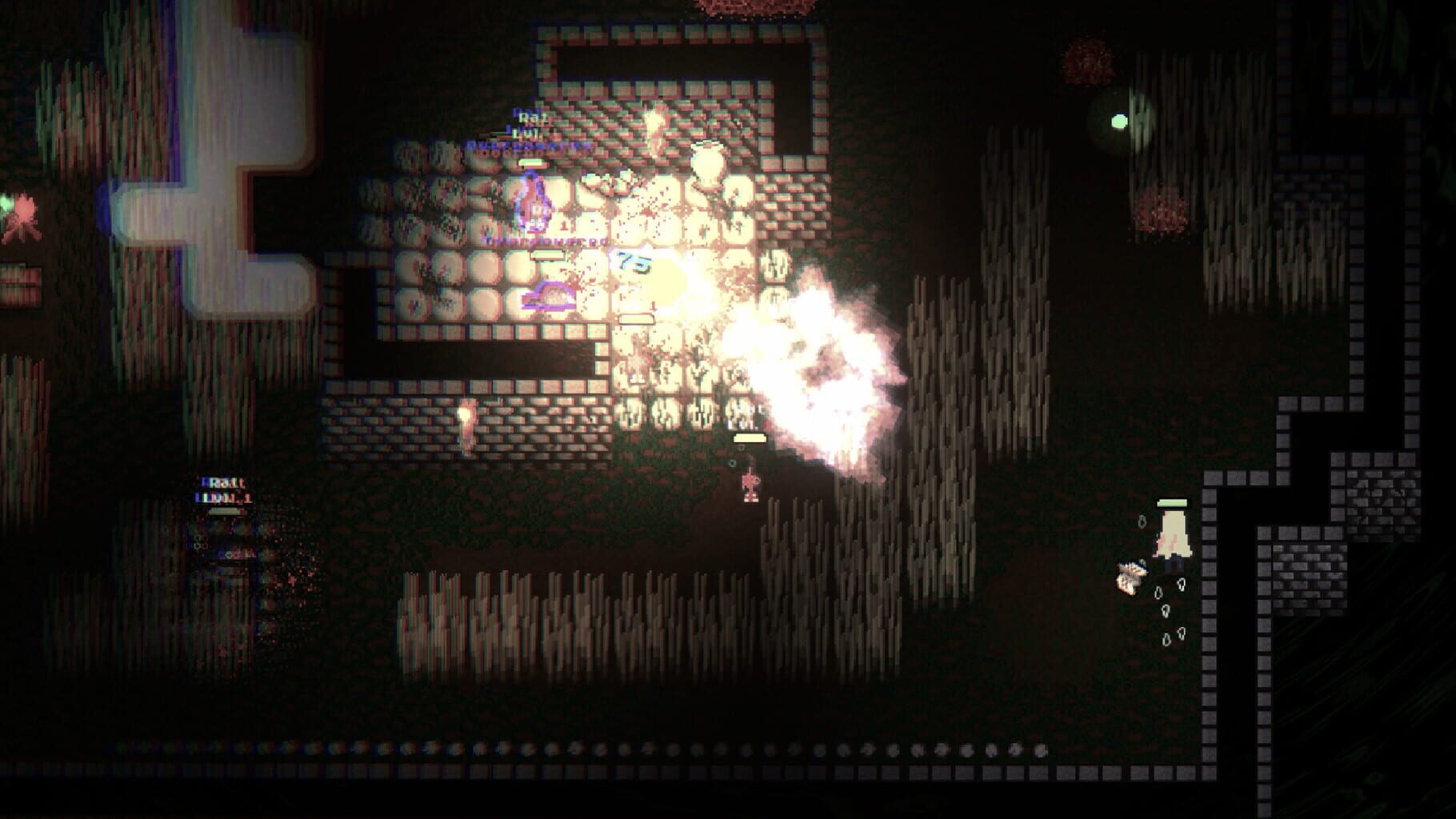
To illustrate the visual flair of the game, an image can be inserted here showing a chaotic scene with multiple dice rolling simultaneously and various spell effects erupting. 
World Building and Setting
Roll The Bones takes place in a stylized, bone‑themed universe that is more implied than explicitly narrated. The pixel‑art visuals depict decaying cemeteries, mystical altars, and shimmering bone structures that serve as a backdrop for the frantic combat. While there is no deep storyline presented, the art direction supplies enough hints to evoke a sense of an archaic, magical realm where dice and spells dictate fate. The atmosphere is reinforced by a dark yet vibrant colour palette that underscores the life‑death contrast without relying on lengthy cutscenes.
Structure of Gameplay
The core of Roll The Bones is a classic roguelite run: each attempt starts with a basic loadout of dice that the player can freely assemble. Upon entering a new level, the layout is procedurally generated, guaranteeing that no two runs are identical. After clearing each room successfully, the player may discover new dice, upgrade existing ones, or unlock special synergies. A run ends either with the character’s defeat or upon overcoming the final boss, while a meta‑progression system preserves permanent upgrades between attempts.
Level and Mission Design
Individual levels consist of a series of interconnected rooms, each featuring distinct enemy arrangements, environmental hazards, and interactive objects. Certain rooms incorporate puzzle mechanics where the dice roll must reach specific thresholds to open doors or disable traps. Other areas offer spontaneous events such as sudden bone volleys or timed bonus rounds that spike the tempo and affect outcomes. Boss encounters appear at the end of each segment and possess unique patterns that demand precise dice combinations to overcome.
Quest and Goal System
Beyond the primary objective of defeating the final boss, each run presents a variety of optional challenges. These may include surviving a set number of rooms without taking damage, reaching a particular score threshold through chain reactions, or collecting rare dice variants. Completing these side goals rewards the player with extra resources usable in the meta‑menu to unlock lasting enhancements. Consequently, every attempt becomes not only a survival test but also a collection and optimisation endeavour.
Pacing and Tempo
Roll The Bones is deliberately stripped down to breakneck speed. Dice rolling is executed via a button press and instantly triggers a chain of spell effects that flash across the screen and strike enemies. The animation length of each spell is intentionally short, forcing the player to continually decide which dice to hold ready, which to combine for maximal effect, and when to deploy a defensive die to mitigate incoming damage. This constant swing between planning and execution creates a flow that leaves little room for breathing and keeps adrenaline high.
Scope of Content
Although the game relies on procedurally generated levels, it still offers a notable breadth of variable content. There are dozens of distinct spell dice, each bearing unique effects such as area damage, healing, buffs, or debuffs that can be mixed and matched depending on the situation. Enemy variety ranges from simple bone foot soldiers to swift skeleton hunters and magically empowered bone giants, each possessing specific weak points. Additionally, several biome‑themed zones (e.g., scorched graveyards, icy crypts, glowing ossuaries) provide visual and gameplay variety that keeps the experience fresh.
Replayability and Variability
The replay value of Roll The Bones stems from the combination of random dice draws, procedurally laid‑out levels, and a deep synergy system. Because each die possesses different effects, near‑endless combination possibilities arise, rewarding experimentation with fresh loadouts. The meta‑progression system gradually unlocks new dice, upgrades, and cosmetic changes, fostering long‑term motivation. Moreover, multiple difficulty tiers and daily challenges provide incentives to return repeatedly and chase ever‑higher scores.
Target Audience and Genre Classification
The game appeals to fans of fast‑paced roguelites that value tactical depth paired with immediate feedback. Players who enjoy pixel‑art aesthetics and prefer short, intense sessions will find it especially satisfying. By focusing on dice mechanics and spell interaction, Roll The Bones carves a niche between classic action roguelites such as "Enter the Gungeon" and more strategy‑oriented titles like "Slay the Spire). As a result, it draws both casual gamers seeking a quick adrenaline rush and hardcore enthusiasts eager to perfect their builds.
Tech
Roll The Bones runs on a custom engine that, despite its retro pixel look, delivers a steady frame rate on average PC hardware. Even during hectic fights with many active spell dice simultaneously, the framerate stays smooth, ensuring that inputs are translated instantly. Load times are brief because levels are procedurally generated and only needed assets are streamed. The game avoids heavy physics simulations, keeping CPU usage low and allowing even older laptops with integrated graphics to run comfortably. Options let you toggle V‑Sync, adjust window size and refresh rate, so you can tailor performance to your system.
Art Style and Graphics
The pixel art style of Roll The Bones is a deliberate choice, giving the game a lively, almost comic‑book appearance. Each spell die features its own symbol set, which is animated in detail when rolled and releases bright visual effects. Environments range from dark dungeons to abandoned graveyards and pulsating magic labs, with each biome using a distinct colour palette that reinforces the mood. Although the resolution feels low, the sprites benefit from careful sub‑pixel animation and shaded outlines, making them appear surprisingly detailed. An optional image placeholder ![[IMAGE_X]] can be inserted here to showcase a sample of character and effect design.
Sound and Music
The audio backdrop mixes chiptune‑style melodies with dynamic sound effects that make each dice roll audible. Every spell type has its own musical motif that plays when the effect triggers, providing clear audio feedback. The background music adapts to the current section: during calm exploration the tracks are subdued and atmospheric, while boss fights receive driving, percussive pieces that raise the pulse. Effects are cleanly separated and never mask each other, so even in chaotic moments every action remains distinct. Separate sliders for music, effects and UI sounds let you fine‑tune the mix to your liking.
Comfort Features
The user interface is minimal yet informative, constantly showing the active dice pool, available mana reserves and active buffs. Key bindings can be fully remapped, with full controller support and various keyboard layouts accommodated. The game autosaves after each room and also offers manual checkpoints, preventing loss of progress. Tooltips give a brief rundown of each die and spell function, with expanded descriptions available in the Codex. Additionally, a quick‑retry button appears after death, sending you straight back to the last checkpoint without any lengthy load screens.
Criticism Points
A frequently noted issue is the occasional difficulty spike that can appear suddenly when certain enemy combinations pair with strongly synergistic dice. An otherwise manageable run can then end abruptly, which may frustrate less experienced players. Although the dice mechanic is deep, after a few hours a certain lack of enemy variety becomes apparent; many foes use similar attack patterns, limiting tactical diversity. The absence of online leaderboards or a co‑op mode means competition rests solely on local high scores and social play outside of turn‑based hot‑seat sessions is not supported.
Comparative Positioning
Compared to other roguelites such as Hades or Dead Cells, Roll The Bones places heavier emphasis on the dice and spell aspect rather than on pure combat combo depth. While Hades leans on narrative bonds and character growth, this title focuses on experimental build crafting through die selection. The pixel art aesthetic recalls titles like Enter the Gungeon, yet it leans more toward random dice outcomes than deterministic gunplay. Despite these differences, the game shares the core roguelite tenets of procedurally generated levels and permanent upgrades, making it familiar to genre fans while standing out thanks to its unique dice mechanic.
Verdict and Purchase Advice
Roll The Bones delivers a solid package of fast pace, tactical dice planning and charming pixel graphics. Its technical foundation is robust, performance on average PCs is stable and controls are responsive. The soundtrack supports the action without overwhelming it, and comfort features create a pleasant play experience. Despite minor shortcomings in enemy variety and occasional difficulty spikes, the strategic depth and replay value outweigh the flaws. For roguelite enthusiasts seeking an innovative dice‑based system and willing to bring a bit of experimentation, a purchase recommendation is clear‑cut.
Verdict
Roll The Bones is most compelling for players who are looking for this particular blend of genre, presentation and gameplay systems. The final recommendation depends on how strongly the described strengths outweigh the noted limitations.
Hardware check
System Requirements
Minimum
Recommended
Das könnte dich auch interessieren
Weitere Reviews aus der Kategorie game.

Inhaltsverzeichnis - Einleitung - Gameplay, Spielgefühl und Kernsysteme - Welt, Struktur, Umfang und Wiederspielwert - Technik, Präsentation, Kritik...

Einleitung The year is 2085, the year of the 17th Space Show. It's the most watched reality show in the solar system. 13 million contestants compete...
Einleitung Desktop Explorer is an eerie point-n-click mystery game through the abandoned profiles of an old PC. Rummage through the abandoned profi...