The Verdict
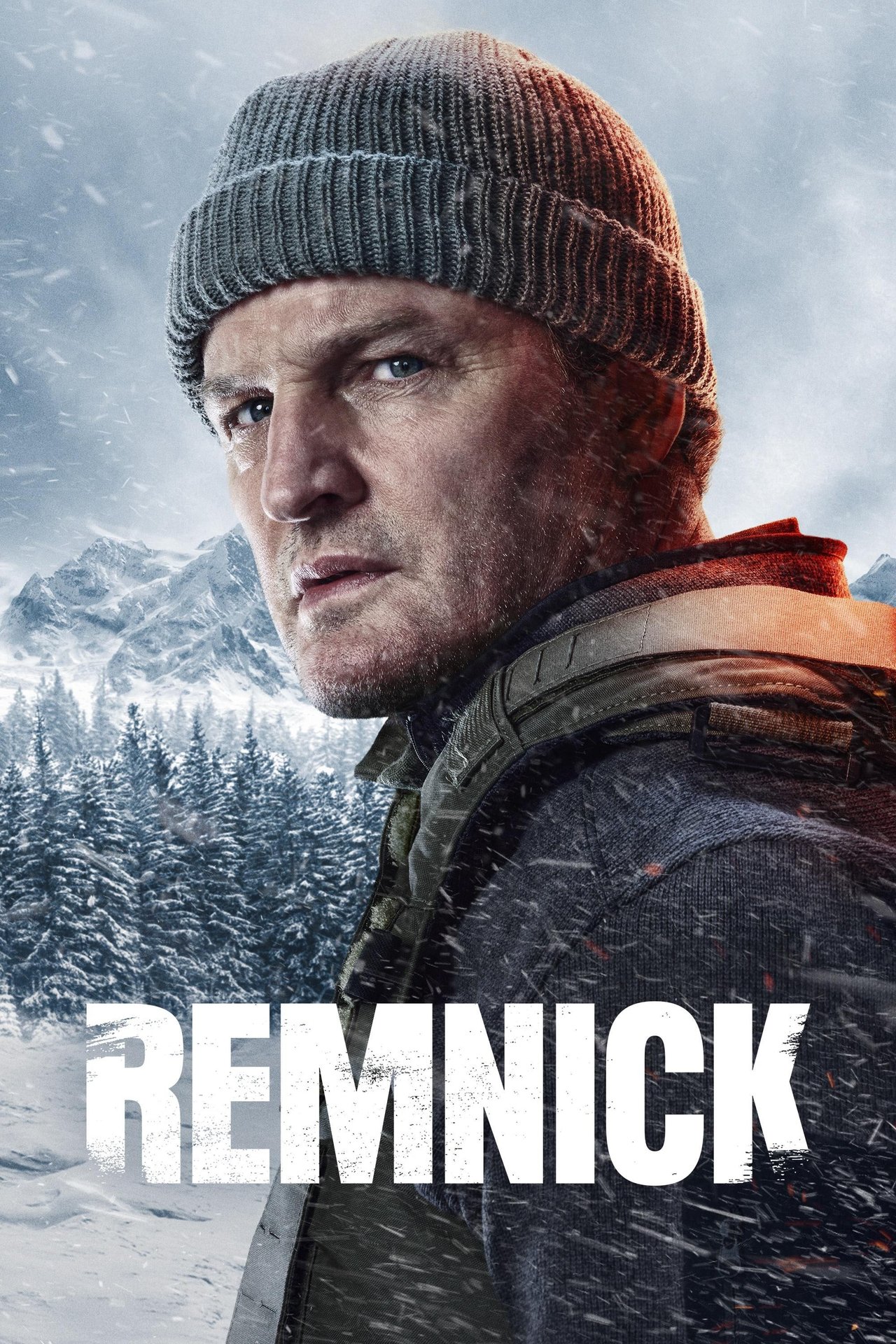
The Nerdiction verdict: Remnick - Survival Drama in the Alaskan Wilderness is good and receives 72 out of 100 points.
Pro
- Impressive landscape shots and authentic Alaskan atmosphere
- Strong character development and multi-layered protagonist
- Tight narrative structure without unnecessary subplots
Contra
- Basic premise is not particularly innovative or surprising
- Some twists are predictable for genre enthusiasts
- Occasionally slow pacing in the middle episodes
Videos & Trailers
Loading video…
Details
October 9, 2025
1
10
7.2
/ 10(133 votes)27.1
Genres
Production Companies
Production Countries
Spoken Languages
Table of Contents
- Introduction
- Plot and Premise
- Character Development
- Direction and Staging
- Cinematography and Visual Design
- Soundtrack and Sound Design
- Series Structure and Pacing
- Thematic Depth
- Conclusion
Introduction
With "The Last Frontier" (German title: "Remnick"), Apple Studios delivers a gripping survival series that skillfully combines the proven concept of survival thrillers with psychological crime elements. The series, which premiered on October 9, 2025, takes us into the icy wilderness of Alaska and confronts us with an extreme situation that is both action-packed and character-driven.
Plot and Premise
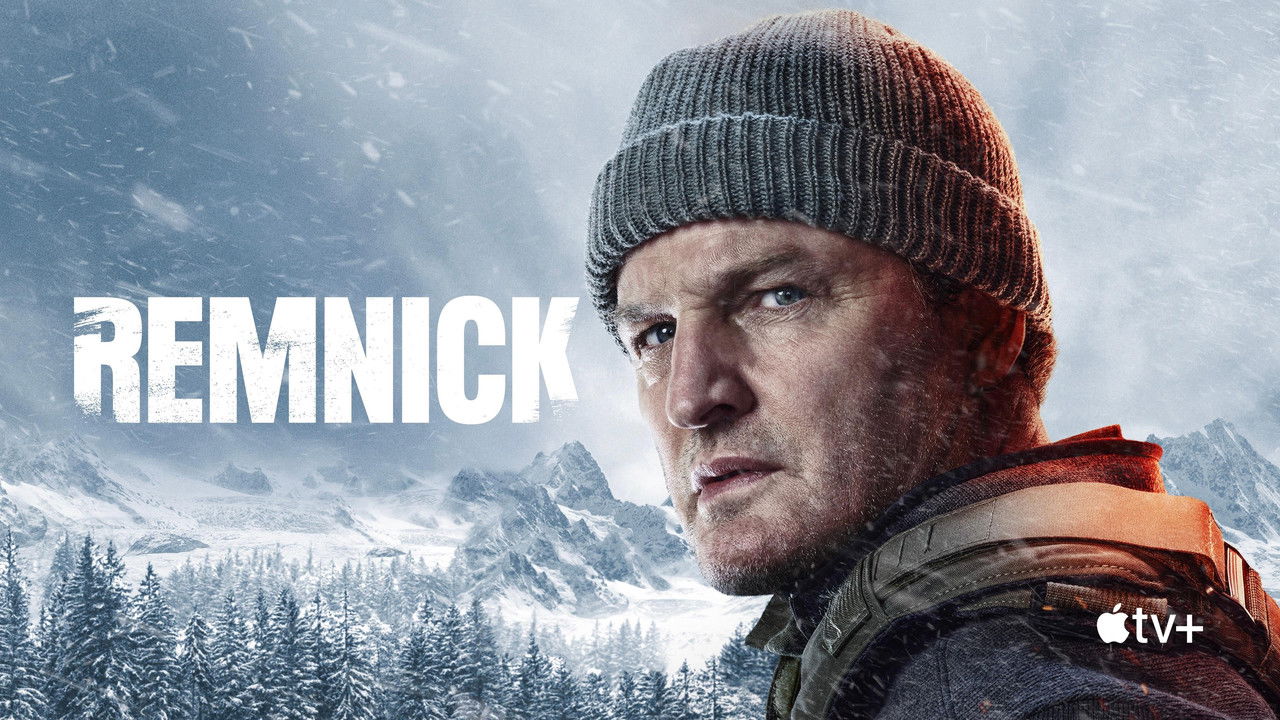
The basic premise of "The Last Frontier" is as simple as it is brilliant: A prisoner transport crashes in the remote Alaskan wilderness, dozens of violent inmates escape and threaten a small community. Marshal Jake Remnick stands as the region's only law enforcement officer facing the impossible task of protecting his town. While this setup recalls classic Western narratives, it gains a completely new dimension through its modern setting and Alaska's extreme weather conditions.
The series builds its tension less through spectacular action sequences and more through the steadily growing threat and psychological strain on all involved. Each episode systematically builds suspense while simultaneously revealing the secrets of various characters' pasts.

Character Development
Jake Remnick is presented as a multi-layered protagonist who is far more than the typical lone wolf hero. His development over ten episodes shows a man battling his own demons while simultaneously protecting an entire community. The series takes time to explore his motivation and moral compass without falling into clichés.
Particularly successful is the portrayal of the community itself. Each resident receives enough characterization to be perceived as an independent person, not just a background role. The escaped prisoners are also depicted with nuance – not all are one-dimensional villains, which gives the series additional moral complexity.
Direction and Staging
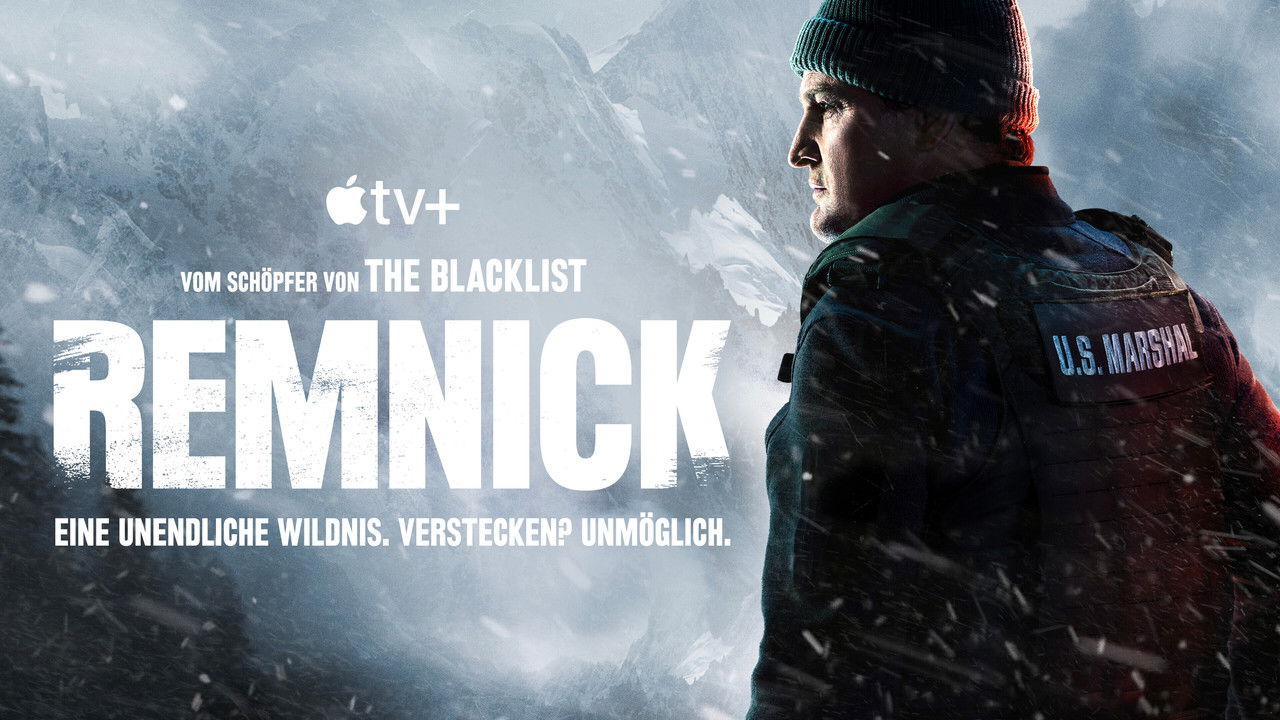
The direction of "The Last Frontier" convinces through its restrained but effective approach. Instead of relying on exaggerated action sequences, the staging focuses on atmosphere and character moments. The tension emerges organically from the situation and isn't artificially inflated.
Particularly noteworthy is how the series treats the natural environment as an additional character. Alaska's wilderness isn't just a backdrop, but an active part of the narrative that can offer both danger and protection.
Cinematography and Visual Design
Visually, "The Last Frontier" is a feast for the eyes. The cinematography fully exploits Alaska's impressive landscape without appearing touristy. Wide establishing shots alternate with intimate close-ups, creating a visual tension between nature's grandeur and human vulnerability.
The series' color palette is deliberately muted – dominated by whites, grays, and blues that emphasize the cold and isolation of the environment. Warm tones are used sparingly and thus gain additional significance when they appear.
Soundtrack and Sound Design
The soundtrack of "The Last Frontier" is subtle and atmospheric. Instead of bombastic orchestral music, the series uses minimalist compositions that underscore the silence and vastness of the landscape. Often it's the natural sounds – wind, snow, cracking branches – that dominate the acoustic landscape and create an authentic atmosphere.
Particularly successful is the use of silence as a dramaturgical tool. In the most tension-filled moments, the series completely abandons music and lets natural sounds speak for themselves.
Series Structure and Pacing
With ten episodes in the first season, "The Last Frontier" has found an ideal length to tell its story without getting sidetracked. The pacing is consistently tight without seeming rushed. Each episode has its own small story that simultaneously contributes to the larger whole.
The series skillfully avoids developing too many subplots and instead focuses on the core narrative and main characters. This focus pays off and ensures a coherent narrative without superfluous elements.
Thematic Depth
"The Last Frontier" is more than just a survival thriller. The series explores themes like community, responsibility, morality, and the question of how far one would go to protect those they love. The isolated setting serves as a microcosm for larger societal questions.
Particularly interesting is how the series deals with the concept of justice. In a situation where usual legal systems don't function, characters must make their own moral decisions – often with far-reaching consequences.
Conclusion
"The Last Frontier" is a solid, well-crafted series that shows how fresh and exciting stories can still be told with proven formulas. The series convinces through strong character work, impressive visuals, and an authentic atmosphere. While it doesn't reinvent the wheel, it delivers solid entertainment at a high level and confirms once again that Apple Studios is a reliable partner for high-quality series productions.
Das könnte dich auch interessieren
Weitere Reviews aus der Kategorie series.

Furious – Wenn Rache zur Liste wird
Inhaltsverzeichnis [Eintroduction]( einleitung) | [Handlung & Setting]( handlung und setting) | [Charaktere & Schauspiel]( charaktere und schauspiel) …

Lucky – ein Thriller, der neue Maßstäbe setzt
Inhaltsverzeichnis 1. Serien‑Einordnung 2. Prämisse (Spoiler‑arm) 3. Figuren 4. Erzählstruktur 5. Inszenierung und Produktionswert 6. Pacing und Drama…

Nur für dein Leben
Ein Vater wird fälschlicherweise wegen Mordes an seinem Sohn inhaftiert. Als er erfährt, dass der noch leben könnte, begibt er sich auf eine verzweife…
Frequently Asked Questions
How good is Remnick - Survival Drama in the Alaskan Wilderness?
Remnick - Survival Drama in the Alaskan Wilderness wurde von Nerdiction mit 72 von 100 Punkten bewertet und ist damit good.
What are the pros of Remnick - Survival Drama in the Alaskan Wilderness?
The advantages of Remnick - Survival Drama in the Alaskan Wilderness: Impressive landscape shots and authentic Alaskan atmosphere, Strong character development and multi-layered protagonist, Tight narrative structure without unnecessary subplots, Subtle and atmospheric sound design, Successful balance between action and psychological depth.
What are the cons of Remnick - Survival Drama in the Alaskan Wilderness?
The disadvantages of Remnick - Survival Drama in the Alaskan Wilderness: Basic premise is not particularly innovative or surprising, Some twists are predictable for genre enthusiasts, Occasionally slow pacing in the middle episodes, Some supporting characters remain somewhat underdeveloped, The first season's ending leaves several questions unanswered.
Is Remnick - Survival Drama in the Alaskan Wilderness worth it?
Yes. Remnick - Survival Drama in the Alaskan Wilderness received a score of 72/100 points and is good.
Diskussion
Ich finde die Landschaftsaufnahmen wirklich beeindruckend – die Alaska-Atmosphäre wirkt authentisch. Der Score von 72 erscheint mir fair, da die Serie zwar gut strukturiert ist, aber die Grundprämisse etwas vorhersehbar bleibt.
Die starke Charakterentwicklung und die Balance zwischen Action und psychologischer Tiefe sind meiner Meinung nach die Highlights der Serie. Dennoch hat mir das langsame Pacing in den mittleren Episoden etwas die Spannung genommen. Auch die Nebencharaktere, die nur kurz skizziert werden, könnten mehr Tiefe bekommen. Insgesamt halte ich die Bewertung von 72 für angemessen, weil die Serie zwar solide, aber nicht revolutionär ist.
Ich frage mich, ob die vorhersehbaren Wendungen wirklich ein Problem sind oder ob sie nur für Genre-Kenner auffallen. Würde die Serie mit mehr Überraschungen besser abschneiden? Und wie wichtig ist das offene Ende der ersten Staffel für die Gesamtwirkung? Eure Gedanken?
Als jemand, der selbst in Alaska wandert, war ich begeistert von der authentischen Darstellung der Landschaft. Die Action-Szenen waren spannend, aber ich fand das Pacing in der Mitte etwas zu langsam, besonders wenn man die langen Wanderungen mit den emotionalen Momenten vergleicht. Die Hauptcharaktere haben mich wirklich mitgerissen, während die Nebencharaktere oft flüchtig blieben. Trotzdem würde ich die Serie weiterempfehlen, weil sie mehr Tiefe bietet als viele andere Abenteuer-Serien.
Die Serie hat solide Leistungen, aber die Grundidee bleibt etwas gewöhnlich. Der Score von 72 spiegelt das aus, ohne zu übertreiben und bleibt dabei immer.
Obwohl die Landschaftsaufnahmen atemberaubend sind, fehlt der Serie ein innovativer Kern. Die vorhersehbaren Wendungen und das langsame Pacing in der Mitte lassen mich manchmal frustriert zurück. Das Ende der ersten Staffel ist zu offen, was bei mir das Interesse mindert. Insgesamt verdient die Serie einen Score von 72, aber sie könnte deutlich mehr Überraschungen und mehr Charakterentwicklung Zuschauer wird.