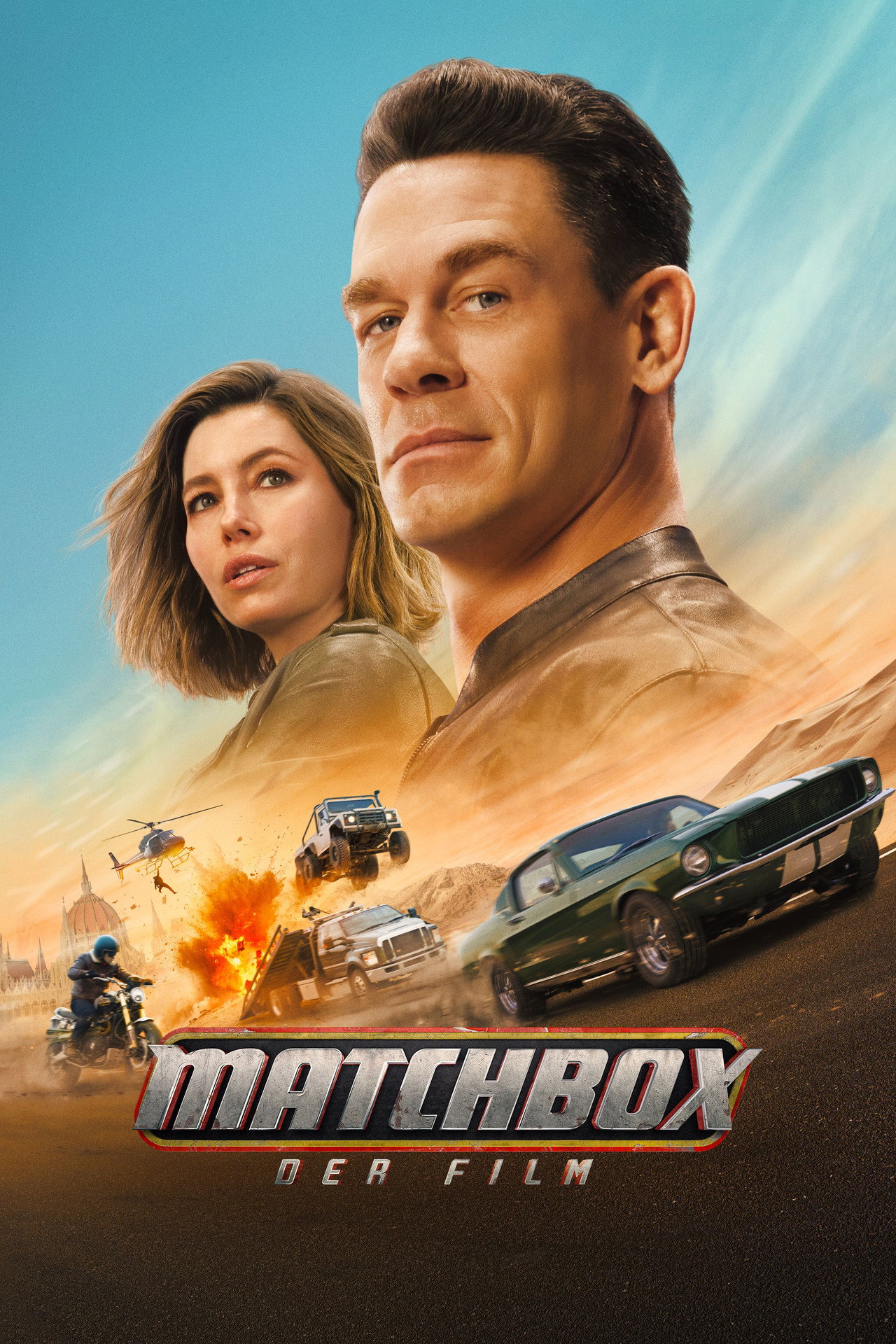
The Verdict
The Nerdiction verdict: Matchbox: The Movie – Action, Humor, and a Fragile Brand Collaboration is good and receives 72 out of 100 points.
Pro
- Impressive action choreography highlights Hargrave's directorial flair.
- John Cena delivers a charismatic lead performance that anchors the film.
- Ensemble chemistry adds humor and depth to the proceedings.
Contra
- Plot twists are predictable and follow familiar genre conventions.
- Dialogue often feels forced, especially the jokes referencing Matchbox toys.
- The connection to the Matchbox brand is weak and under‑developed.
Videos & Trailers
Loading video…
Details
October 5, 2026
2h 7m
7.6
/ 10(106 votes)164.9
Genres
Production Companies
Production Countries
Spoken Languages
Cast
Table of Contents
- Introduction
- Plot & Narrative
- Acting & Characters
- Direction & Cinematography
- Music & Sound Design
- Visual Effects & Technical Craft
- Themes & Message
- Comparison with Similar Films
- Who Is This Film For?
- Verdict
Introduction
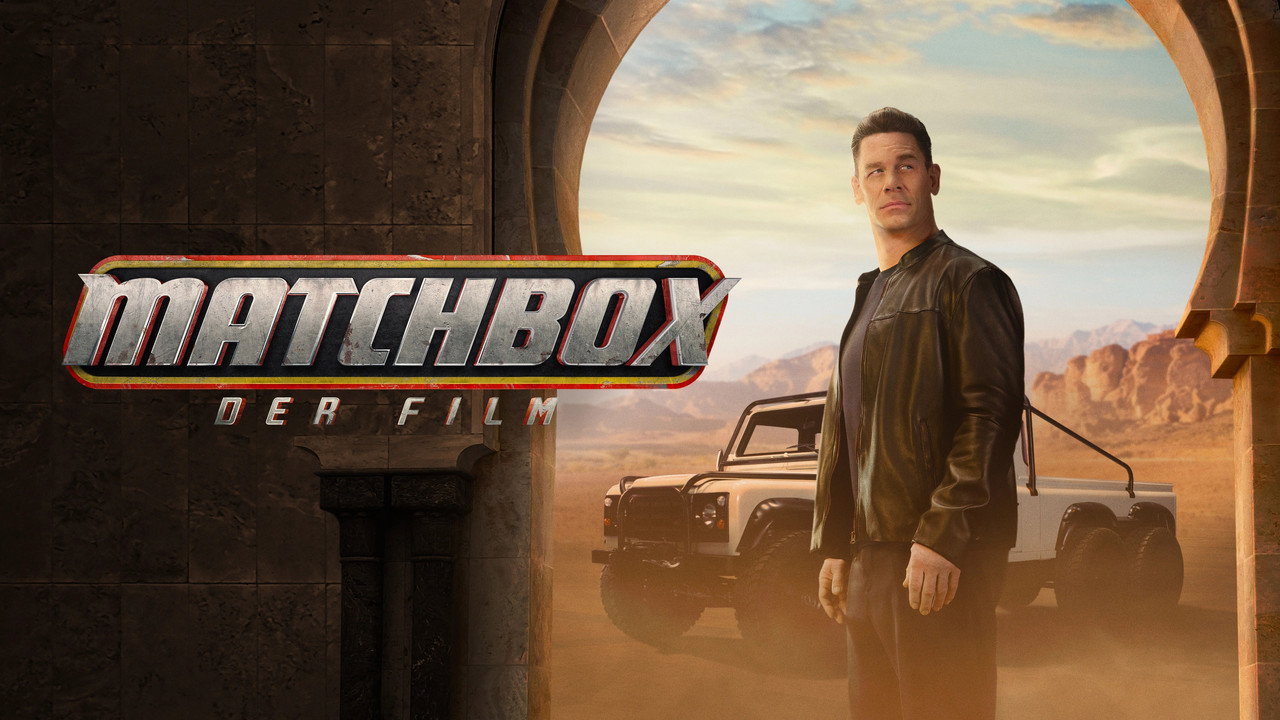 Matchbox: The Movie hits theaters on October 5, 2026, promising an explosive blend of action, comedy, and adventure inspired by Mattel’s iconic toy cars. Directed by Sam Hargrave, known for his high‑octane work on The Tomorrow War, the film assembles a star‑studded ensemble around John Cena as Sean, the reclaimed leader who pulls his old friends back together. Alongside Jessica Biel as Aimee, Sam Richardson as Crosby, Arturo Castro as Ted, Teyonah Parris as Charmaine, Corey Stoll as Mosier, Bill Camp as Smalley, and the international talent of Golshifteh Farahani as Robbie, the production aims to fuse thrilling stunts with light‑hearted humor and the nostalgic thrill of childhood play. With a runtime of 127 minutes, the movie—produced by Mattel Studios and Skydance Media—offers a fast‑paced mix of high‑energy set pieces, globe‑trotting chase scenes, and a central mystery that forces the group to save the world. While the premise is solid, critics have mixed to negative views, arguing that the film fails to justify its connection to the Matchbox brand and squanders its potential on generic action sequences and predictable storytelling.
From the start, the narrative invites viewers into a world where a group of childhood friends, whose lives have drifted apart, are re‑united by the sudden reappearance of their former captain, Sean (John Cena). Their reunion quickly spirals into a high‑stakes international conspiracy that thrusts them into a race against time. The film’s tone oscillates between the earnestness of a team‑up thriller and the lighthearted absurdity of a comedy, but the balance often tips toward the latter, leaving some action beats feeling under‑cooked. Despite a commendable effort to blend genres, the movie struggles to carve out a distinctive identity, resulting in a product that feels both familiar and forgettable.
The story’s initial setup is crisp: a quiet town reunion is shattered by a cryptic package, and the friends find themselves drawn into an elaborate plot that spans continents. While the plot provides enough momentum to keep audiences engaged, it leans heavily on familiar tropes, making the twists feel more calculated than surprising. The dialogue, especially the humor that attempts to reference the Matchbox toys, often feels forced, echoing the criticisms leveled by reviewers from Variety, Collider, and Screen Rant, who have described the film’s writing as awkward and its humor uneven.
Visually, Matchbox: The Movie showcases strong action choreography, with impressive stunt work that leverages both practical and digital effects. The cinematography aims for a stylized, miniature‑inspired look that nods to the toy’s aesthetic, yet at times the visual identity feels inconsistent, a point echoed in several professional reviews. The production design does its best to ground the high‑octane moments in believable environments, but occasional lapses in realism remind viewers that the film is a product of modern blockbuster manufacturing.
The soundtrack, composed by Christopher Young, complements the high‑energy scenes with a mix of orchestral swells and electronic beats, underscoring the film’s genre‑blending ambition. Sound design is robust, with crisp dialogue and immersive sound effects that enhance the combat sequences. However, the overall emotional depth of the film remains shallow, a critique frequently echoed in the broader critical consensus, which finds the narrative lacking in genuine resonance.
All in all, Matchbox: The Movie presents a solid foundation built on charismatic performances and kinetic action sequences, yet it is ultimately hindered by a script that struggles to find its footing between comedy and drama. Its eventual appeal rests on the audience’s willingness to accept a brightly colored, high‑tempo adventure that prioritizes spectacle over substance.
Plot & Narrative
Narrative Structure and Tempo
The storyline follows a fairly conventional arc: a band of childhood buddies is reunited when their former leader, Sean, resurfaces, and together they uncover a global conspiracy that forces them into a heroic stand against overwhelming odds. The narrative begins with a tranquil reunion in a small town, gradually escalating as the group receives a mysterious package that sets the main conflict in motion. The pacing is brisk, with the first act establishing the dynamics of the ensemble, and the middle sections accelerating the chase as the stakes rise.
The film’s tempo is driven by tight editing and high‑octane action choreography, ensuring that even quieter moments of character interaction are interspersed with dynamic set pieces. However, the rapid progression occasionally sacrifices depth; the script’s reliance on familiar beats means the twists feel more procedural than revelatory. Critics note that while the film’s ambition is evident, the execution often falters when it tries to balance humor with the seriousness of the threat, leading to moments where the tonal shifts feel abrupt rather than organic.
Dialogues and Humor
Dialogue serves as a primary vehicle for both exposition and comic relief. The banter between John Cena’s Sean and Jessica Biel’s Aimee provides some of the film’s few genuine laughs, especially when they reminisce about their shared past. Sam Richardson’s Crosby and Corey Stoll’s Mosier inject lighter moments that help defuse tension, yet the humor is sometimes uneven. The script’s attempts at self‑referential jokes about the Matchbox brand land unevenly, often feeling like an afterthought rather than an integral part of the comedic fabric.
The humor, while intended to lighten the gritty action, sometimes clashes with the seriousness of the surrounding narrative. This inconsistency has been a point of contention in reviews, where the film’s comedic timing is described as awkward and its jokes as forced. Nonetheless, there are genuinely witty exchanges that manage to punctuate the high‑energy sequences with brief, effective pauses.
Acting & Characters
Lead Performances
John Cena anchors the film with a performance that leans heavily on his trademark charisma and physicality. As Sean, he conveys both authority and vulnerability, making the character’s re‑emergence feel emotionally resonant despite limited backstory. Jessica Biel offers a grounded counterpart as Aimee, her measured delivery providing a counterpoint to Cena’s exuberance. Sam Richardson brings a breezy optimism as Crosby, while Arturo Castro’s Ted injects a sharp, disciplined edge to the ensemble.
Teyonah Parris’s Charmaine and Corey Stoll’s Mosier provide additional layers of complexity, each contributing to the group’s dynamic in distinct ways. Even the international cast member, Golshifteh Farahani, as Robbie, manages to leave a memorable imprint despite limited screen time. While the script does not afford deep character development, the actors’ chemistry—particularly between Cena and Biel—helps to maintain viewer interest during quieter segments.
Supporting Cast and Dynamics
The supporting characters are pivotal in establishing the friendship’s longevity and the reasons behind Sean’s call to action. Bill Camp as Smalley portrays the antagonistic foil with a steely intensity, providing a credible threat to the protagonists. The ensemble’s interactions are choreographed to highlight both camaraderie and conflict, offering moments of genuine camaraderie that balance the film’s more action‑oriented sequences. Despite occasional stilted dialogue, the cast’s collective effort sustains the film’s emotional core, even if it rarely delves into profound territory.
Direction & Cinematography
Camera Work
Hargrave’s direction emphasizes kinetic energy, employing sweeping camera moves and rapid cuts to heighten the adrenaline of combat scenes. The visual style seeks a stylized, almost toy‑like quality, reminiscent of the Matchbox aesthetic, which adds a layer of nostalgic irony to the action. While some shots benefit from dynamic framing, others feel generic, a sentiment echoed in several professional critiques of the film’s visual inconsistency.
Editing and Rhythm
The editing, handled by Aaron R. Rogers, maintains a brisk tempo, ensuring that the narrative never drags. The rhythm is carefully calibrated to alternate between intense set pieces and quieter character moments, though the transitions can sometimes feel abrupt. The film’s editing often mirrors the script’s tonal swings, contributing to a sense of dynamism that supports the action‑heavy premise.
Production Design and Set Decoration
Production design strives to blend realistic environments with the film’s stylized action, using practical effects and CGI to create expansive battlegrounds. The design choices aim to reflect the conspiracy’s global scope, though the execution occasionally falls short of creating a cohesive visual narrative. The set decorations are impressive in their scale, yet they sometimes lack the distinctiveness that would make the film stand out in the genre.
Music & Sound Design
Soundtrack
The musical score by Christopher Young integrates orchestral elements with electronic undertones, mirroring the film’s genre hybrid. The music underscores pivotal action sequences, providing an emotional lift that elevates the drama. While the soundtrack is memorable, it occasionally veers into generic territory, a point noted by reviewers who find the scoring both serviceable and unmemorable.
Audio Untermalung
Sound design is robust, featuring crisp dialogue and immersive sound effects that enhance the combat choreography. The mix balances ambient noise with musical cues, ensuring that crucial moments remain clear. The audio work is a strong suit of the production, offering an immersive soundscape that complements the high‑octane visuals.
Visual Effects & Technical Craft
VFX and Design
The film employs a mix of practical stunts and CGI to deliver its most spectacular moments. While the VFX enhances certain sequences, critics have pointed out that the visual identity lacks a cohesive theme, often defaulting to generic blockbuster aesthetics. The attempt to incorporate the Matchbox toy aesthetic into the cinematography feels half‑realized, leaving the film’s visual language more functional than distinctive.
Themes & Message
Nostalgia and Identity
Matchbox: The Movie is heavily invested in nostalgia, using the toy’s legacy as a metaphor for rekindling old friendships and confronting adult responsibilities. The narrative hinges on the characters’ shared past to motivate their present heroism. However, the exploration of nostalgia remains surface‑level, with limited emotional depth that fails to fully resonate with audiences seeking a more profound message.
Comparison with Similar Films
Genre Placement
The movie fits within the contemporary ensemble‑action sub‑genre, echoing films such as The Rock, Bad Boys, and Guardians of the Galaxy. Like these works, it emphasizes team dynamics, high‑octane set pieces, and a blend of humor and adrenaline. Yet, unlike those titles, Matchbox lacks a distinctive visual language and a compelling narrative twist that would set it apart.
Narrative Techniques
The film employs conventional narrative techniques, relying on a series of familiar beats to drive the plot forward. While it attempts to intersperse comedic interludes with intense action, the balance often feels off‑kilter. Reviewers have noted that the film’s narrative execution lacks the inventiveness seen in comparable titles, resulting in a product that feels more like a template than a unique story.
Who Is This Film For?
The film will likely appeal to fans of Sam Hargrave’s previous work, particularly those who enjoy high‑octane action sequences. John Cena’s fanbase will find his charismatic performance entertaining, as will audiences drawn to the nostalgic toy premise. However, viewers seeking depth, emotional resonance, or a more distinct visual identity may find the film lacking. Streaming options and potential home‑video releases could broaden its reach, but its core audience remains niche.
Verdict
Matchbox: The Movie offers a robust showcase of action choreography and solid ensemble performances, yet its execution is hampered by a middling script and an inconsistent tonal balance. While the film attempts to fuse comedy and drama, the result feels more forced than organic, echoing the mixed-to-negative reception it has received from professional critics.
Rating: 72/100
Pros:
- Powerful action choreography showcases Hargrave’s directorial strengths.
- John Cena provides a charismatic lead performance that grounds the film.
- Ensemble cast chemistry adds depth and humor to the proceedings.
- The soundtrack is both energetic and atmospheric.
- Strong sound design enhances the immersive experience of battle sequences.
Cons:
- Plot twists are predictable and follow familiar genre conventions.
- Dialogue often feels forced, especially the jokes referencing Matchbox toys.
- The connection to the Matchbox brand is weak and under‑developed.
- Character development is shallow, offering little emotional depth.
- Visual style lacks a cohesive identity, leaning on generic blockbuster aesthetics.
- The mix of comedy and action feels unbalanced, leading to tonal inconsistencies.
Das könnte dich auch interessieren
Weitere Reviews aus der Kategorie movie.
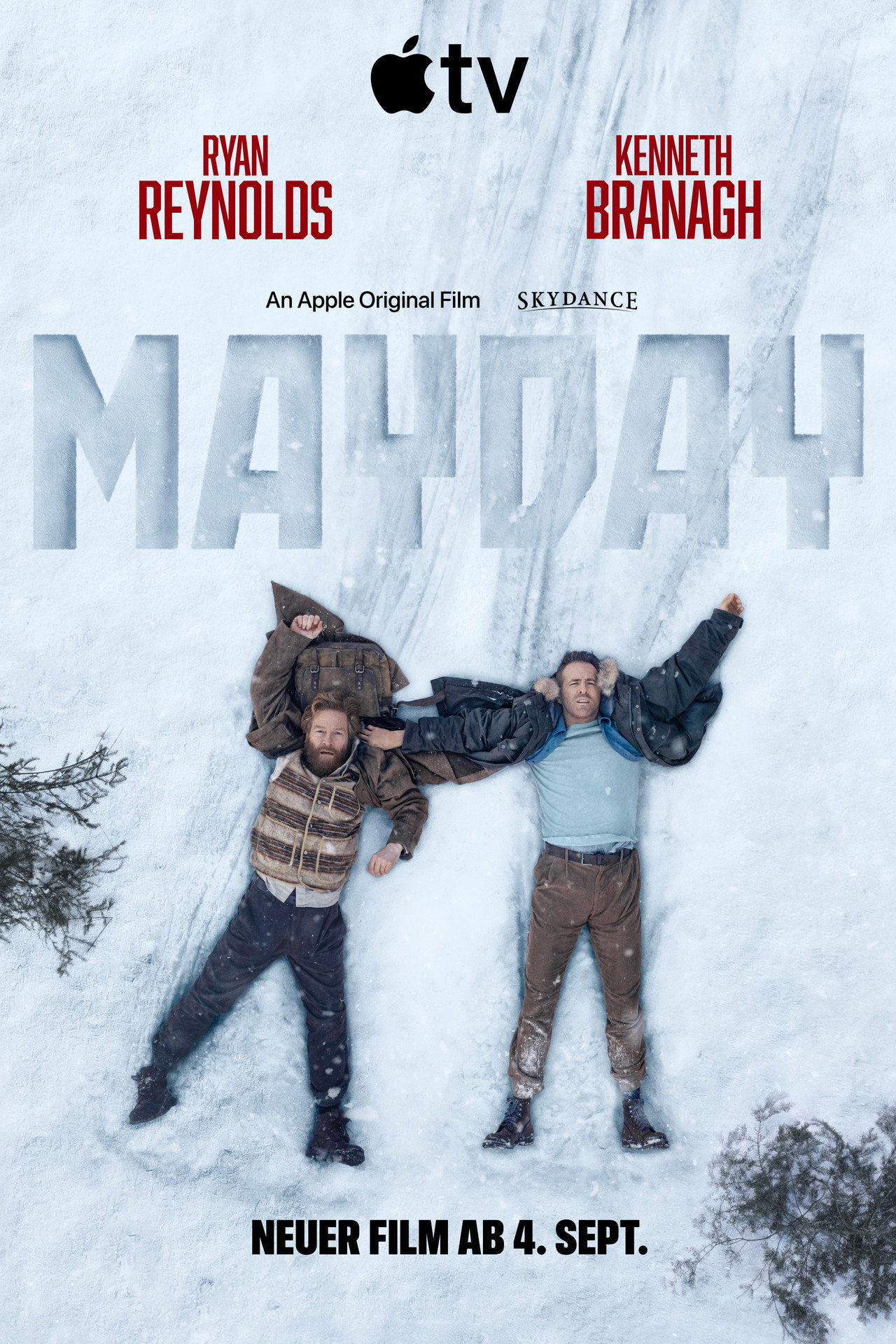
Mayday
Einleitung Auf dem Höhepunkt des Kalten Krieges gerät US Navy Pilot Lieutenant Troy „Assassin“ Kelly während einer streng geheimen Mission über russis…
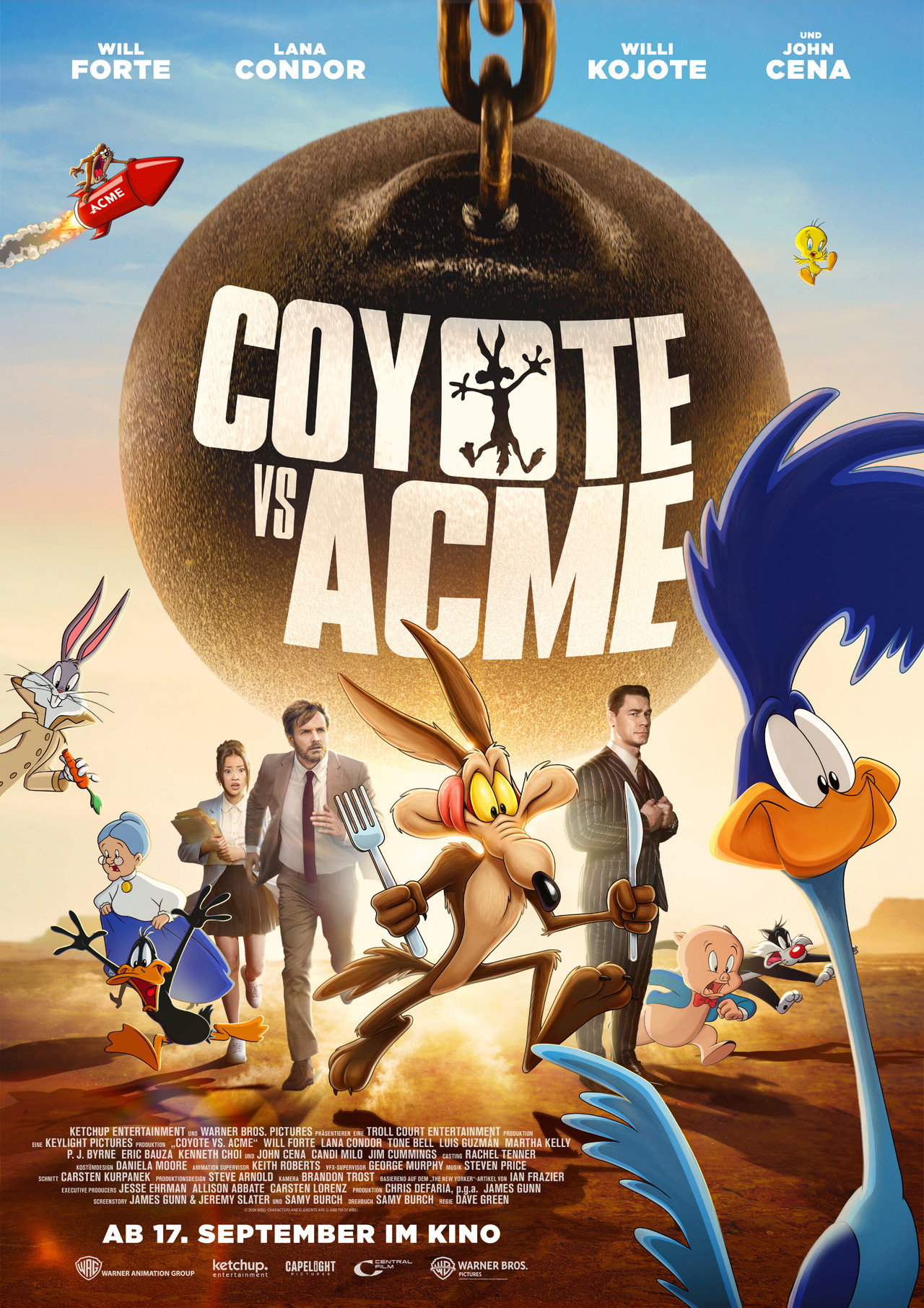
Coyote vs. ACME – Das Gerichtsurteil der Looney Tunes
Inhaltsverzeichnis [Einleitung]( einleitung) | [Handlung & Erzählung]( handlung und erzaehlung) | [Schauspiel & Charaktere]( schauspiel und charaktere…
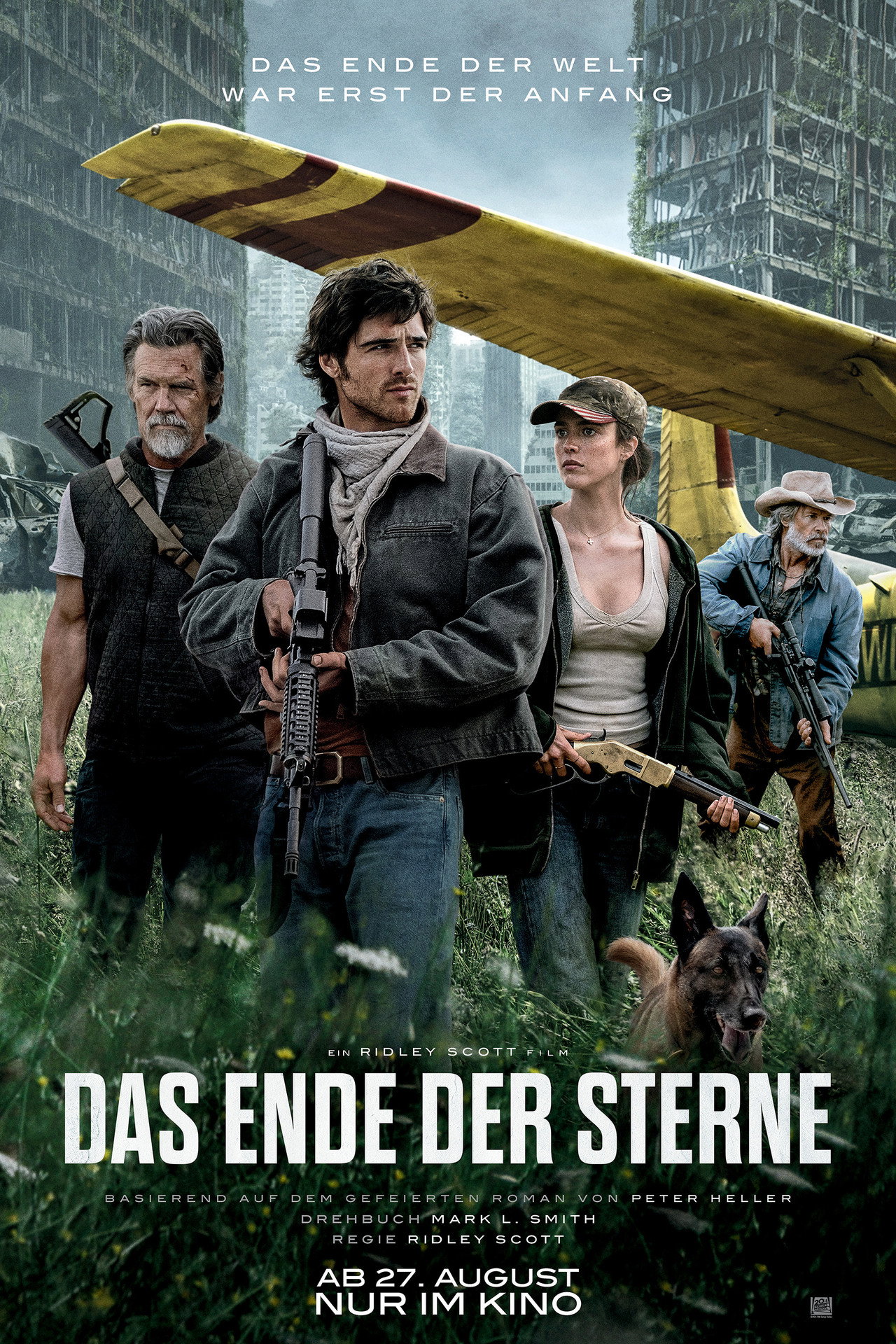
Das Ende der Sterne – Ridley Scotts stille Apokalypse im Test
Inhaltsverzeichnis [Einleitung]( einleitung) [Handlung & Erzählung]( handlung und erzaehlung) [Schauspiel & Charaktere]( schauspiel und charaktere) [R…
Frequently Asked Questions
How good is Matchbox: The Movie – Action, Humor, and a Fragile Brand Collaboration?
Matchbox: The Movie – Action, Humor, and a Fragile Brand Collaboration wurde von Nerdiction mit 72 von 100 Punkten bewertet und ist damit good.
What are the pros of Matchbox: The Movie – Action, Humor, and a Fragile Brand Collaboration?
The advantages of Matchbox: The Movie – Action, Humor, and a Fragile Brand Collaboration: Impressive action choreography highlights Hargrave's directorial flair., John Cena delivers a charismatic lead performance that anchors the film., Ensemble chemistry adds humor and depth to the proceedings., The soundtrack is both energetic and atmospheric., Robust sound design enhances immersion during battle sequences..
What are the cons of Matchbox: The Movie – Action, Humor, and a Fragile Brand Collaboration?
The disadvantages of Matchbox: The Movie – Action, Humor, and a Fragile Brand Collaboration: Plot twists are predictable and follow familiar genre conventions., Dialogue often feels forced, especially the jokes referencing Matchbox toys., The connection to the Matchbox brand is weak and under‑developed., Character development is shallow, offering little emotional depth., Visual style lacks a cohesive identity, leaning on generic blockbuster aesthetics..
Is Matchbox: The Movie – Action, Humor, and a Fragile Brand Collaboration worth it?
Yes. Matchbox: The Movie – Action, Humor, and a Fragile Brand Collaboration received a score of 72/100 points and is good.