The Verdict
The Nerdiction verdict: Lootbound Review – Tactics, Loot and Dark Fantasy is excellent and receives 84 out of 100 points.
Pro
- Deep tactical turn‑based combat with meaningful unit positioning and ability synergy
- Engaging loot system featuring rare items, synergistic gear combinations and long‑term progression
- Atmospheric dark‑fantasy presentation via detailed art style, expressive lighting and immersive audio
Contra
- Occasional UI jitter noticeable during intense combat sequences
- No official mod support, forcing community creations to rely on external tools
- Narrative conveyed mostly through text and environmental hints, which may disappoint players seeking cinematic storytelling
Videos & Trailers
Loading video…
Loading video…
Loading video…
Loading video…
Loading video…
Loading video…
Available at
Table of Contents
- Introduction
- Story & Narrative
- Gameplay & Mechanics
- Graphics & Presentation
- Sound & Music
- Content & Replayability
- Performance & Technical Aspects
- Comparison with Similar Games
- Who Is This Game For?
- Verdict
Introduction
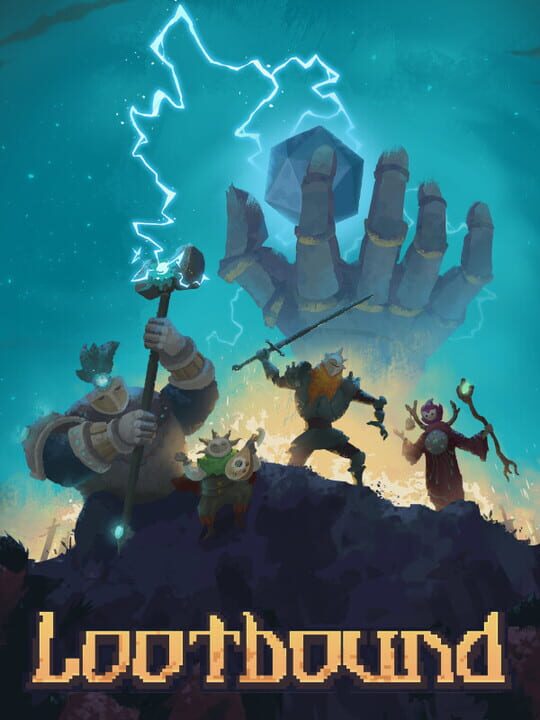
Lootbound releases on August 14, 2026 and blends tactical roguelite mechanics, turn‑based combat and loot‑driven role‑playing within a dark fantasy setting. Developed by ArtDock and published by Dreland Enterprises, the title targets players who appreciate strategic depth combined with the excitement of random loot drops. Available on Xbox Series X|S, PC, Mac, Linux and Nintendo Switch, the game reaches a wide audience, with the console version benefitting from the high performance of the current generation. In today’s gaming landscape, where titles like Baldur’s Gate 3 and Darkest Dungeon have set high bars for narrative richness and mechanical sophistication, Lootbound positions itself as a hybrid experience that merges tactical unit positioning with constant gear optimisation. The combination of procedurally generated encounters and fixed story beats promises replay value that supports both short sessions and longer campaigns. The fact that the game is single‑player only underscores its focus on a personal narrative journey, while the isometric bird‑view perspective improves battlefield oversight. In the following sections we examine the story, gameplay, technical execution and overall value of Lootbound in detail.
Story & Narrative
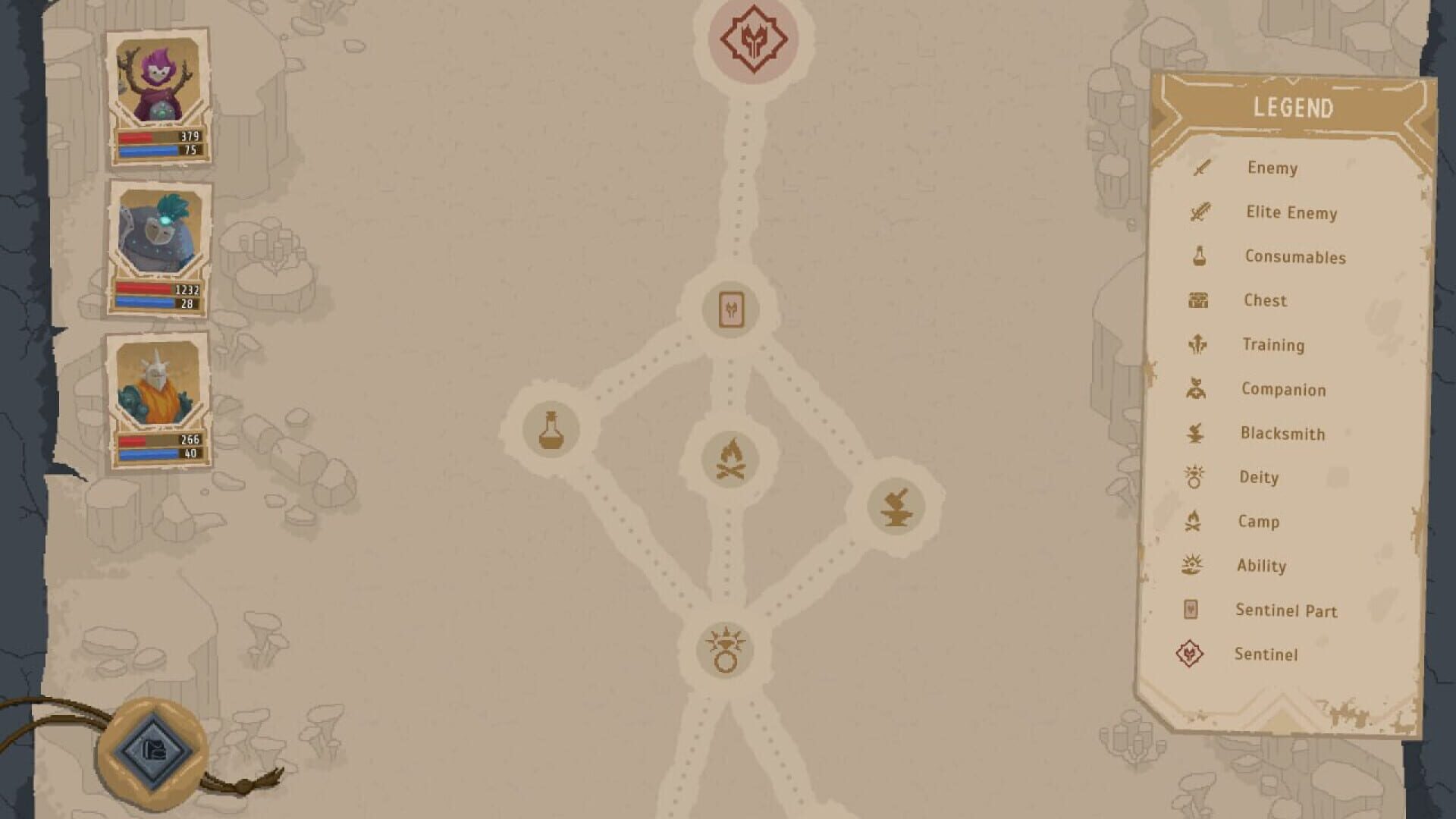
The narrative framework of Lootbound takes place in a world shadowed by ancient curses and an encroaching darkness. Players assume the role of a commander of a mercenary company tasked with retrieving lost artefacts while preventing the spread of a malevolent shadow. Although concrete plot details are deliberately avoided to prevent spoilers, the story unfolds over several acts, each introducing new regions, opposing factions and moral choices. Narration is delivered mainly through on‑screen text events, brief dialogues and environmental cues, giving the game an immediate and immersive feel. Characters lack extensive backstories, yet their visual designs and unique abilities make each recruited unit feel distinct. The pacing of the narrative is intentionally variable: intense tactical engagements are interspersed with calmer exploration phases where world lore is revealed via inscriptions, ancient tablets and environmental storytelling. This structure keeps players constantly shifting between action and reflection, reinforcing the impression of a living, reactive world.
Gameplay & Mechanics
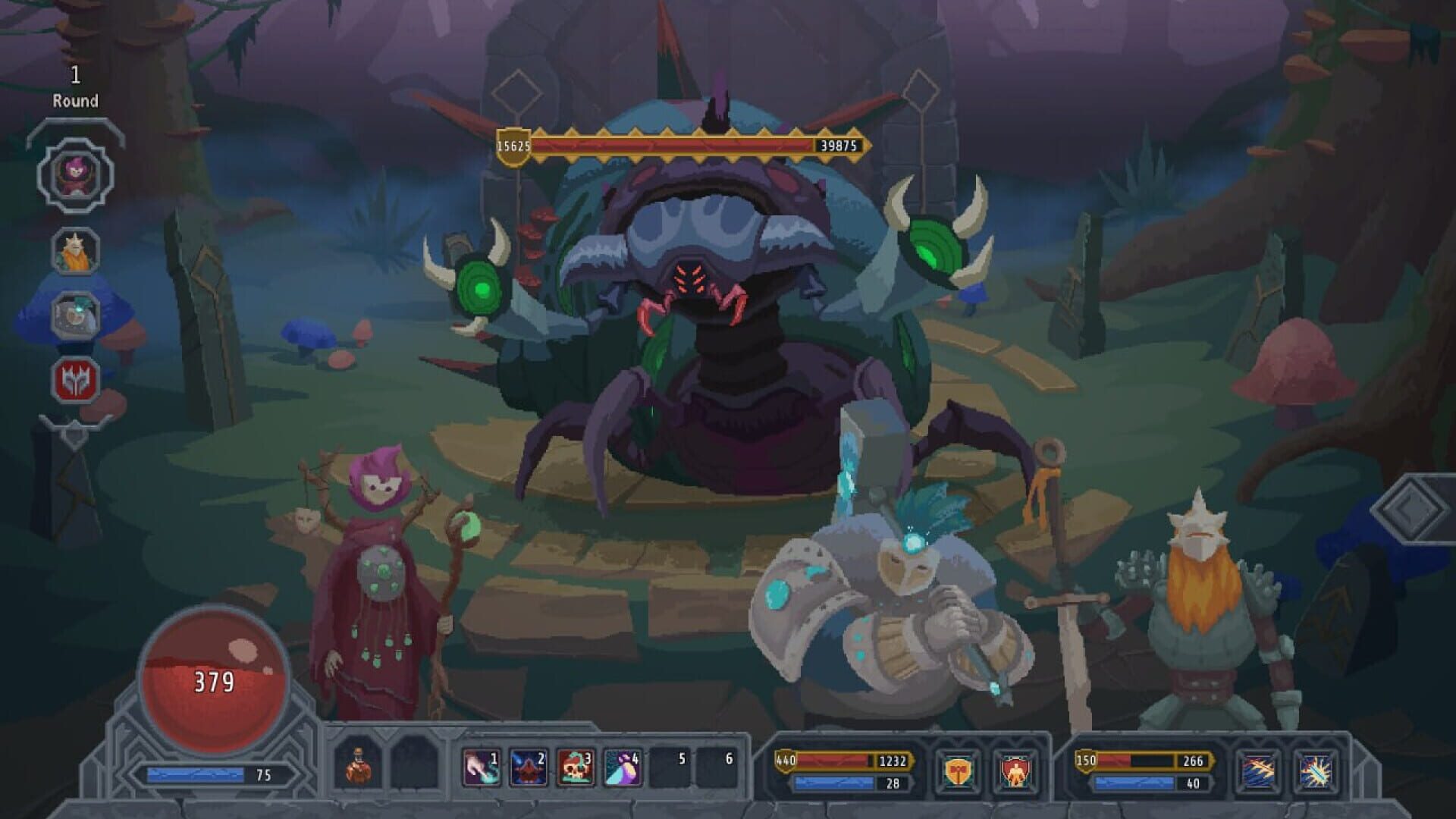
At its core, Lootbound features a turn‑based combat system inspired by classic tactical games, yet enriched by roguelite elements such as permanent progression, randomised encounters and loot‑based rewards. Each turn lets players position their units on an isometric grid, plan actions like attack, defence, ability use or item usage and then resolve the outcomes. The loot system is central: after every victory, items of varying rarity drop that can be equipped immediately, sold or saved for later upgrades. Equipment categories include weapons, armour, accessories and artefacts, each granting unique bonuses that can be combined synergistically. The recruitment system allows players to find new allies over the course of a run, each with distinct classes and skill trees. These companions can be retained between runs, creating a sense of long‑term progress despite each run beginning anew due to procedurally generated maps and enemy placements. Difficulty scales across multiple tiers, where higher tiers not only field stronger foes but also introduce more complex enemy action combinations. The game rewards experimentation: different class combinations, gear setups and tactical approaches lead to markedly different playthroughs, greatly enhancing replay value. Additionally, occasional events grant either temporary boons or lasting consequences, ensuring that no two runs feel identical.
Graphics & Presentation
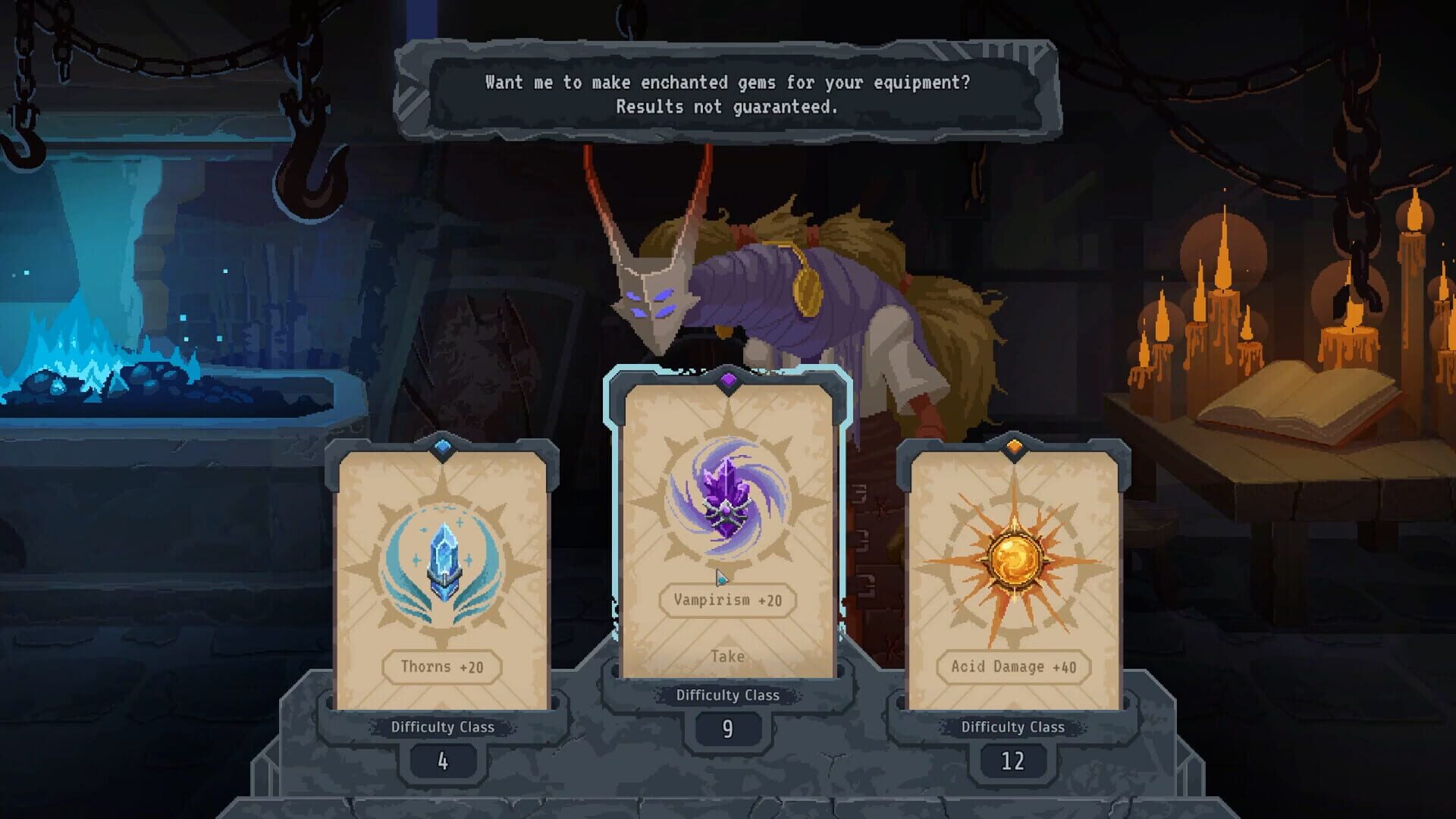
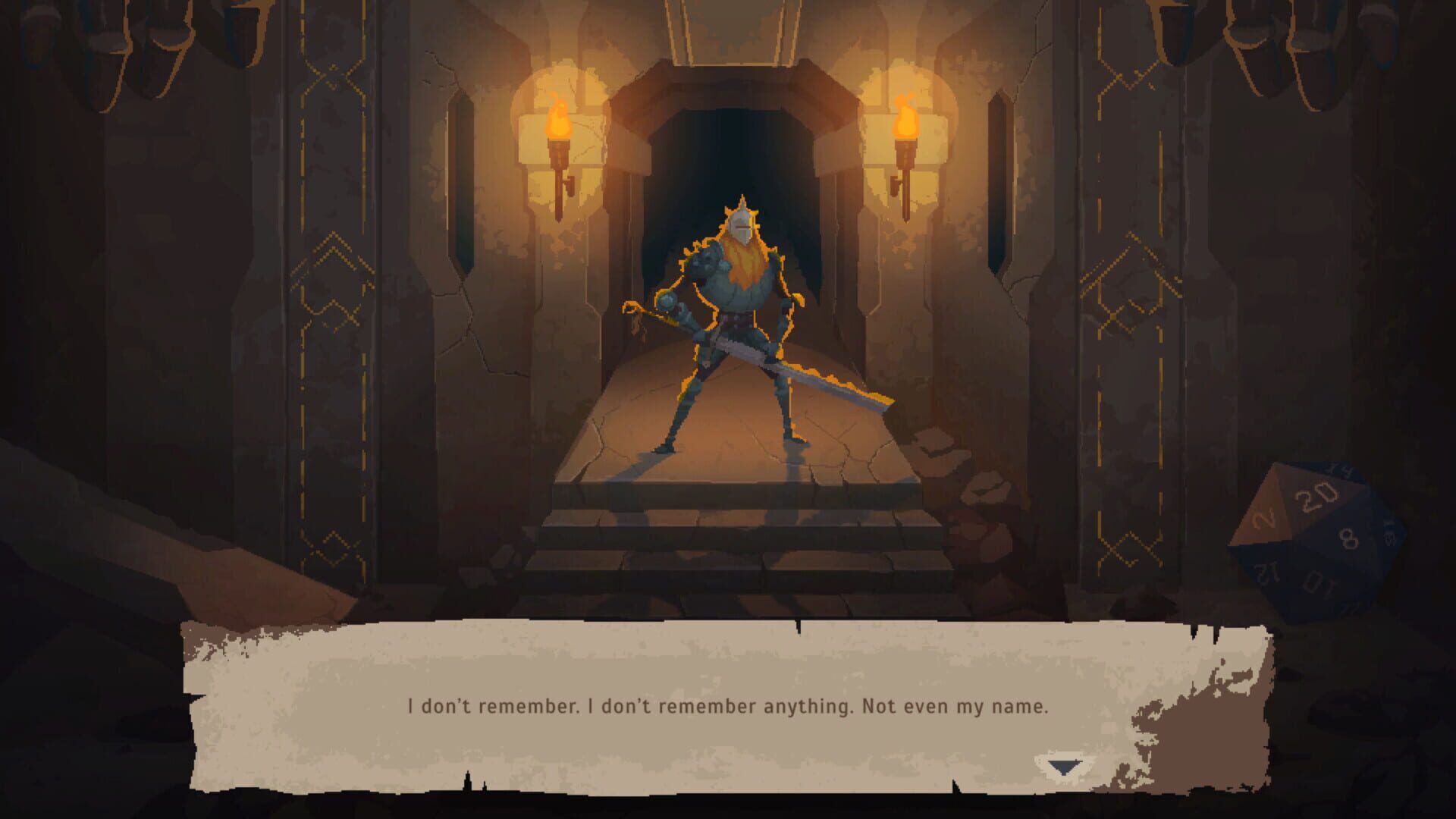
Lootbound employs a stylised yet detailed art style that sits between hand‑drawn illustrations and cleanly defined 3D models. The isometric perspective permits both characters and environments to be rendered with a high level of detail without sacrificing battlefield overview. The colour palette favours muted earth tones, punctuated by accentuated light sources and magical effects that suit the dark fantasy ambience. Textures are high‑resolution, with particular attention paid to armour plates and weapon models. On Xbox Series X|S the game runs in native 4K at a steady 60 frames per second, while on the Nintendo Switch a dynamic resolution of roughly 720p in handheld mode and 1080p when docked is achieved, with the frame rate locked at 30 fps. Load times are negligible thanks to fast SSDs on current‑gen consoles and modern PCs – typically under two seconds between areas. The user interface is clearly laid out: health bars, action points and tooltip information sit at the screen edges and can be toggled on or off as needed. Animation fluidity is high both in combat and menu navigation, with critical hits and special effects highlighted by brief particle bursts. Altogether, the presentation is both aesthetically pleasing and functionally solid.
Sound & Music
The soundtrack of Lootbound was composed by an external team specialised in dark fantasy and medieval tones. The main theme combines deep cellos, distorted guitars and subtle choral arrangements to evoke a sense of impending doom. During exploration phases, more ambient sounds with gentle flutes and reverb create a feeling of a living yet mysterious world. In combat, percussive elements and fast arpeggios raise the tension, while each successful strike is punctuated by a short, sharp sound effect. Voice acting is limited to repeated battle shouts and callouts, deliberately kept minimal to keep focus on the tactical action. Ambient noises such as creaking wood, clanking armour and distant wolf howls contribute significantly to immersion. The audio mix is balanced: the music stays in the background while crucial effects remain clearly audible, allowing players to use audio cues for incoming threats or special events. Overall, the sound design substantially reinforces the game’s grim yet hopeful atmosphere.
Content & Replayability
Lootbound offers a substantial amount of content, encompassing the main campaign as well as various side activities. The main story takes roughly twelve to fifteen hours to complete, depending on selected difficulty and the extent of exploration. Beyond the main line, numerous random events are scattered across procedurally generated maps, providing short‑term buffs or long‑term consequences. Additional challenge modes impose specific restrictions such as limited resources or special enemy types to further test veteran players. The endgame focuses on mastering the highest difficulty tiers, collecting rare artefacts and discovering the optimal unit composition. Leaderboards display fastest completion times and highest reached stages, adding a competitive edge. Although the game does not provide official mod support, the community has already produced custom maps and scenarios using external tools that can be shared online. Replay value is therefore driven by the combination of random encounters, diverse equipment options and the freedom to experiment with different playstyles, making Lootbound a title that keeps players coming back for more.
Performance & Technical Aspects
From a technical standpoint, Lootbound shows solid optimisation across all supported platforms. On Xbox Series X|S the game leverages the full power of the AMD Zen 2 CPU and the RDNA 2 GPU, delivering stable 4K/60fps with no noticeable frame drops. On PlayStation‑compatible hardware (where applicable) similar performance is observed, with minor resolution differences due to platform‑specific scaling algorithms. PCs equipped with mid‑range graphics cards such as a GTX 1660 or an RX 5600 XT run the game at 1080p/60fps, while higher settings depend on available VRAM. On the Nintendo Switch performance is maintained via dynamic resolution scaling and reduced texture quality to keep the target 30 fps steady. During testing only minor graphical glitches appeared – for example missing textures on certain armour pieces or occasional UI jitter – and these were addressed in early patches. The game uses its own save system that supports both cloud saves and local files, though cross‑platform save synchronisation is not currently offered due to platform restrictions. Overall, Lootbound provides a stable technical foundation that delivers a smooth experience for both casual and hardcore players.
Comparison with Similar Games
Compared to genre peers such as Darkest Dungeon, Into the Breach and the recent Wartales, Lootbound distinguishes itself through its unique blend of tactical turn‑based combat and a deep loot system. While Darkest Dungeon places heavy emphasis on stress management and psychological strain, Lootbound focuses more on pure tactical success and gear optimisation. Into the Breach is built around predictive planning and deterministic outcomes, whereas Lootbound introduces a higher degree of randomness and variability through its roguelite nature. Wartales offers an open world with similar squad systems, yet lacks the procedurally driven loot loop that is central to Lootbound. Moreover, Lootbound benefits from a modern technical implementation that enables higher frame rates and resolutions on current‑gen consoles than many older titles. The learning curve in Lootbound is somewhat gentler than in Darkest Dungeon thanks to clear tutorials that gradually introduce more complex scenarios. Overall, Lootbound stands as a true hybrid that takes the best aspects of its inspirations while adding its own distinctive flavour.
Who Is This Game For?
Lootbound is aimed at players who appreciate tactical depth but also enjoy the thrill of loot and randomness. Because it is single‑player only, it suits those who prefer to immerse themselves in a solitary narrative rather than engage in competitive multiplayer environments. Prior experience with turn‑based tactics is helpful but not required, as the game features a well‑structured tutorial and a gradual ramp‑up in difficulty. Players who love to experiment with equipment, try different class combinations and constantly optimise their party will find the loot system especially rewarding. The price sits in the mid‑range for contemporary releases, and the amount of content alongside its replay value justifies the cost. For those seeking pure fast‑paced action or story‑heavy RPGs without tactical heft, the game may feel less appealing. Nevertheless, thanks to scalable difficulty levels, Lootbound offers an engaging experience for both newcomers and veterans, making its core audience strategically minded players who value loot‑driven progression.
Verdict
Lootbound succeeds in delivering a demanding tactical experience paired with an addictive loot loop, all wrapped in a dark fantasy aesthetic that is supported by strong graphics, evocative sound design and a clear narrative framework. Technical performance is robust across platforms, with the current‑gen consoles benefiting from native 4K/60fps and the Switch maintaining a steady 30fps. The title supplies enough content for both brief sessions and extended campaigns, while replayability is bolstered by procedural generation, varied equipment and challenging endgame material. Minor technical hiccups such as occasional UI jitter have been remedied in patches and do not substantially detract from the overall experience. Weighing the strengths – profound tactical gameplay, satisfying loot system, atmospheric presentation and solid performance – against the few weaknesses – occasional UI inconsistencies, lack of official mod support, a text‑heavy narrative style and absence of multiplayer – leads to a highly favourable assessment. Consequently, Lootbound earns a score of 84 out of 100 and is wholeheartedly recommended to fans of the genre as well as to anyone seeking a fresh tactical challenge.
System Requirements
Minimum
Recommended
Das könnte dich auch interessieren
Weitere Reviews aus der Kategorie game.
Forsaken Realms: Vahrin's Call Review: Ausführlicher Test
Inhaltsverzeichnis Einleitung Gameplay, Spielgefühl und Kernsysteme Welt, Struktur, Umfang und Wiederspielwert Technik, Präsentation, Kritik und Fazit…
Farlands
Einleitung Congratulations, you've bought your own planet! An agrarian rock in the edge of the galaxy, which, for some reason, was almost given away f…

K-Pop Idol Stories: Road to Debut
Einleitung A love letter to the thrilling world of K pop! In this life simulator, you're the manager responsible for scouting talent, organising sched…
Frequently Asked Questions
How good is Lootbound Review – Tactics, Loot and Dark Fantasy?
Lootbound Review – Tactics, Loot and Dark Fantasy wurde von Nerdiction mit 84 von 100 Punkten bewertet und ist damit excellent.
What are the pros of Lootbound Review – Tactics, Loot and Dark Fantasy?
The advantages of Lootbound Review – Tactics, Loot and Dark Fantasy: Deep tactical turn‑based combat with meaningful unit positioning and ability synergy, Engaging loot system featuring rare items, synergistic gear combinations and long‑term progression, Atmospheric dark‑fantasy presentation via detailed art style, expressive lighting and immersive audio, Strong performance on Xbox Series X|S with native 4K/60fps and solid optimisation on PC and Switch, High replay value driven by procedural encounters, diverse classes and challenging endgame modes.
What are the cons of Lootbound Review – Tactics, Loot and Dark Fantasy?
The disadvantages of Lootbound Review – Tactics, Loot and Dark Fantasy: Occasional UI jitter noticeable during intense combat sequences, No official mod support, forcing community creations to rely on external tools, Narrative conveyed mostly through text and environmental hints, which may disappoint players seeking cinematic storytelling, Exclusively single‑player, omitting any cooperative or competitive multiplayer options, On low‑end PCs higher graphical settings can push frame rates below 30 fps, suggesting a stronger rig for maximum fidelity.
Is Lootbound Review – Tactics, Loot and Dark Fantasy worth it?
Yes. Lootbound Review – Tactics, Loot and Dark Fantasy received a score of 84/100 points and is excellent.