
The Verdict
The Nerdiction verdict: Lazarus: A Promising Sci-Fi Animation with Cinematic Excellence is good and receives 78 out of 100 points.
Pro
- High-quality MAPPA animation with cinematic excellence
- Relevant and well-conceived sci-fi premise
- Balanced mix of action and character development
Contra
- Some mid-series episodes with predictable twists
- Occasional pacing issues in narrative flow
- Some character arcs could be developed more deeply
Details
April 6, 2025
1
13
7.8
/ 10(98 votes)30.4
Genres
Production Companies
Production Countries
Spoken Languages
Table of Contents
- Introduction
- Plot and World-Building
- Character Development
- Animation and Visual Design
- Direction and Cinematography
- Soundtrack and Atmosphere
- Series Structure and Pacing
- Thematic Depth
- Conclusion
Introduction
"Lazarus" enters the sci-fi animation arena with an ambitious premise and high-caliber production values that immediately command attention. The collaboration between Sola Entertainment, MAPPA, and Williams Street promises cinematic quality from the outset, and this expectation is largely fulfilled. The series casts a dark gaze into a near future where medical progress becomes an existential threat.
Plot and World-Building
The year 2052 serves as the backdrop for a fascinating dystopia that feels disturbingly plausible. The development of Hapuna as a supposed panacea by a Nobel Prize winner mirrors our contemporary hopes and fears regarding medical breakthroughs. The three-year delay before deadly side effects manifest creates a perverse tragedy – enough time for worldwide distribution, yet too short for long-term studies.
The world-building demonstrates remarkable detail and thoughtfulness. The society of 2052 feels like a logical evolution of our current world, shaped by technological advancement and simultaneous vulnerability. The formation of the "Lazarus" special unit in response to the Hapuna crisis adds a military component that's skillfully woven with science fiction elements.
Character Development
Character development benefits from the 13-episode structure, providing ample space for nuanced growth. The neuroscientist as a tragic protagonist embodies the classic conflict between scientific ambition and moral responsibility. His transformation from celebrated savior to wanted cause of a pandemic is portrayed with psychological depth.
The Lazarus unit members receive individually compelling character arcs that illuminate their different motivations and backgrounds. Particularly well-executed is how personal losses from Hapuna both drive and burden the team members.
Animation and Visual Design
MAPPA's signature style is unmistakable, giving "Lazarus" a visual identity that oscillates between realistic portrayal and stylized action. The character designs show refreshing variety without excessive anime clichés. Particularly impressive are the futuristic cityscapes that convey a believable vision of 2052.
Action sequences excel through fluid choreography and cinematic camera work. The fight against Skinner isn't staged as simple violence but as tactical confrontation with high visual standards.
Direction and Cinematography
The direction shows remarkable restraint in a genre combination that often tends toward excess. Tension builds through atmospheric density rather than constant action. The balance between quieter, character-oriented scenes and explosive climaxes works very well for the most part.
Particularly noteworthy is how medical and scientific content is visualized. Complex relationships are presented comprehensibly without underestimating or overwhelming viewers.
Soundtrack and Atmosphere
The musical score supports the dark fundamental mood without becoming intrusive. Electronic elements blend organically with orchestral arrangements, creating a soundscape that perfectly matches the futuristic scenery. The soundtrack shows particular strength in emotional moments, lending additional depth to character developments.
Sound effects, especially in combat scenes and depicting Hapuna's effects, are precisely and atmospherically designed.
Series Structure and Pacing
With 13 episodes, "Lazarus" chooses a smart length that feels neither stretched nor rushed. The distribution between world-building, character development, and action is largely balanced. However, some mid-series episodes fall short and suffer from predictable twists.
The overarching narrative structure follows a classic three-act construction, with the threat introduction, team formation, and final battle against Skinner building logically upon each other.
Thematic Depth
"Lazarus" engages with highly topical themes like the limits of medical progress, scientists' responsibility, and the unpredictable consequences of technological breakthroughs. The COVID pandemic makes these themes particularly relevant and gives the series additional urgency.
The series poses important questions: How far should science go? Who bears responsibility for unintended consequences? Can good intentions justify catastrophic results?
Conclusion
"Lazarus" establishes itself as solid sci-fi animation with cinematic qualities and thematic relevance. The combination of MAPPA animation, thoughtful world-building, and current themes creates a series that succeeds both visually and intellectually. Despite some mid-series lulls and occasionally predictable twists, the series offers enough quality to excite sci-fi fans and win new viewers to the genre.
The first season lays a solid foundation for potential continuations and proves that anime and Western production can successfully merge without losing their respective strengths.
Das könnte dich auch interessieren
Weitere Reviews aus der Kategorie series.

The East Palace (동궽): Eine faszinierende Mischung aus Mystik und Politik
Inhaltsverzeichnis Serien Einordnung und Produktionshintergrund Prämisse ohne Spoiler Charaktere und ihre Entwicklung Erzählstruktur und Pacing Inszen…

Chainsmoker Cat Review – Eine tiefgehende Analyse der skurrilen Anime-Serie
Inhaltsverzeichnis [Einleitung]( einleitung) [Handlung & Setting]( handlung und setting) [Charaktere & Schauspiel]( charaktere und schauspiel) [Staffe…
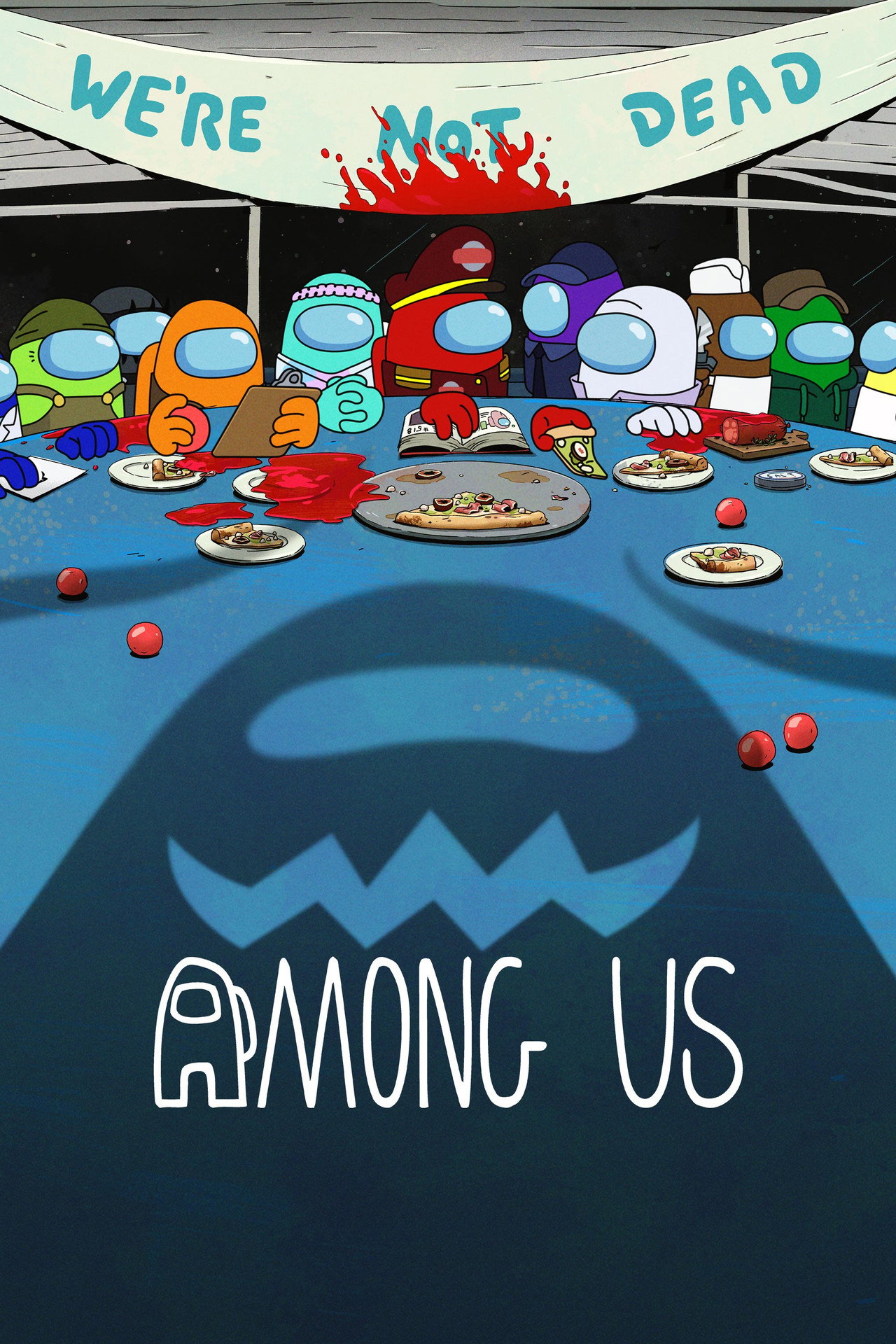
Among Us
Exzentrische, einfarbige Besatzungsmitglieder eines Mülltransport Raumschiffes müssen einen Verräter enttarnen, bevor sie selbst Opfer seines mörderis…
Frequently Asked Questions
How good is Lazarus: A Promising Sci-Fi Animation with Cinematic Excellence?
Lazarus: A Promising Sci-Fi Animation with Cinematic Excellence wurde von Nerdiction mit 78 von 100 Punkten bewertet und ist damit good.
What are the pros of Lazarus: A Promising Sci-Fi Animation with Cinematic Excellence?
The advantages of Lazarus: A Promising Sci-Fi Animation with Cinematic Excellence: High-quality MAPPA animation with cinematic excellence, Relevant and well-conceived sci-fi premise, Balanced mix of action and character development, Atmospheric soundtrack and accomplished sound design, Credible world-building with plausible future vision.
What are the cons of Lazarus: A Promising Sci-Fi Animation with Cinematic Excellence?
The disadvantages of Lazarus: A Promising Sci-Fi Animation with Cinematic Excellence: Some mid-series episodes with predictable twists, Occasional pacing issues in narrative flow, Some character arcs could be developed more deeply, Partially conventional genre elements without surprises, The finale could have been more emotionally impactful.
Is Lazarus: A Promising Sci-Fi Animation with Cinematic Excellence worth it?
Yes. Lazarus: A Promising Sci-Fi Animation with Cinematic Excellence received a score of 78/100 points and is good.
Diskussion
Die Charakterentwicklung ist solide, besonders die Nebenfiguren bekommen genug Raum, um ihre Motivationen zu zeigen. Das trägt dazu bei, dass man sich mit ihnen identifizieren kann.
Besonders gefällt mir, wie die Serie Action und Charakterentwicklung ausbalanciert. Die Protagonisten wachsen im Verlauf, ohne dass die Spannung verloren geht. Das macht die Story nicht nur spannend, sondern auch emotional nachvollziehbar.
Die cinematographische Qualität ist wirklich ein Highlight. Jede Einstellung wirkt wie ein sorgfältig komponiertes Bild, was die Immersion enorm steigert.
Ich finde die MAPPA-Animation wirklich beeindruckend – die Details und die Kameraführung wirken fast wie echte Filmkunst. Der Soundtrack trägt zusätzlich zur Atmosphäre bei, sodass man sich sofort in die Welt von Lazarus hineinversetzt.
Ein Score von 78 ist für mich ein sehr guter Hinweis, dass die Serie sowohl inhaltlich als auch visuell überzeugt. Ich würde sie definitiv weiterempfehlen.
Einige Mittelteil-Episoden wirken etwas vorhersehbar, was die Spannung ein wenig mindert. Trotzdem bleibt die Serie insgesamt spannend.
Die Erzählgeschwindigkeit ist manchmal etwas langsam, besonders in den ersten Staffeln. Das führt gelegentlich zu einer gewissen Längen.
Einige Genre-Elemente wirken konventionell, ohne große Überraschungen. Das ist zwar nicht fatal, aber es fehlt manchmal an frischen Ideen.
Das Finale hätte emotional stärker sein können. Die Auflösung wirkt etwas zu schnell und lässt die Charaktere nicht genug Zeit, ihre Entwicklung zu reflektieren.
Einige Charakterbögen bleiben oberflächlich, besonders bei den Antagonisten. Mehr Tiefe hätte die Konflikte noch intensiver gemacht.