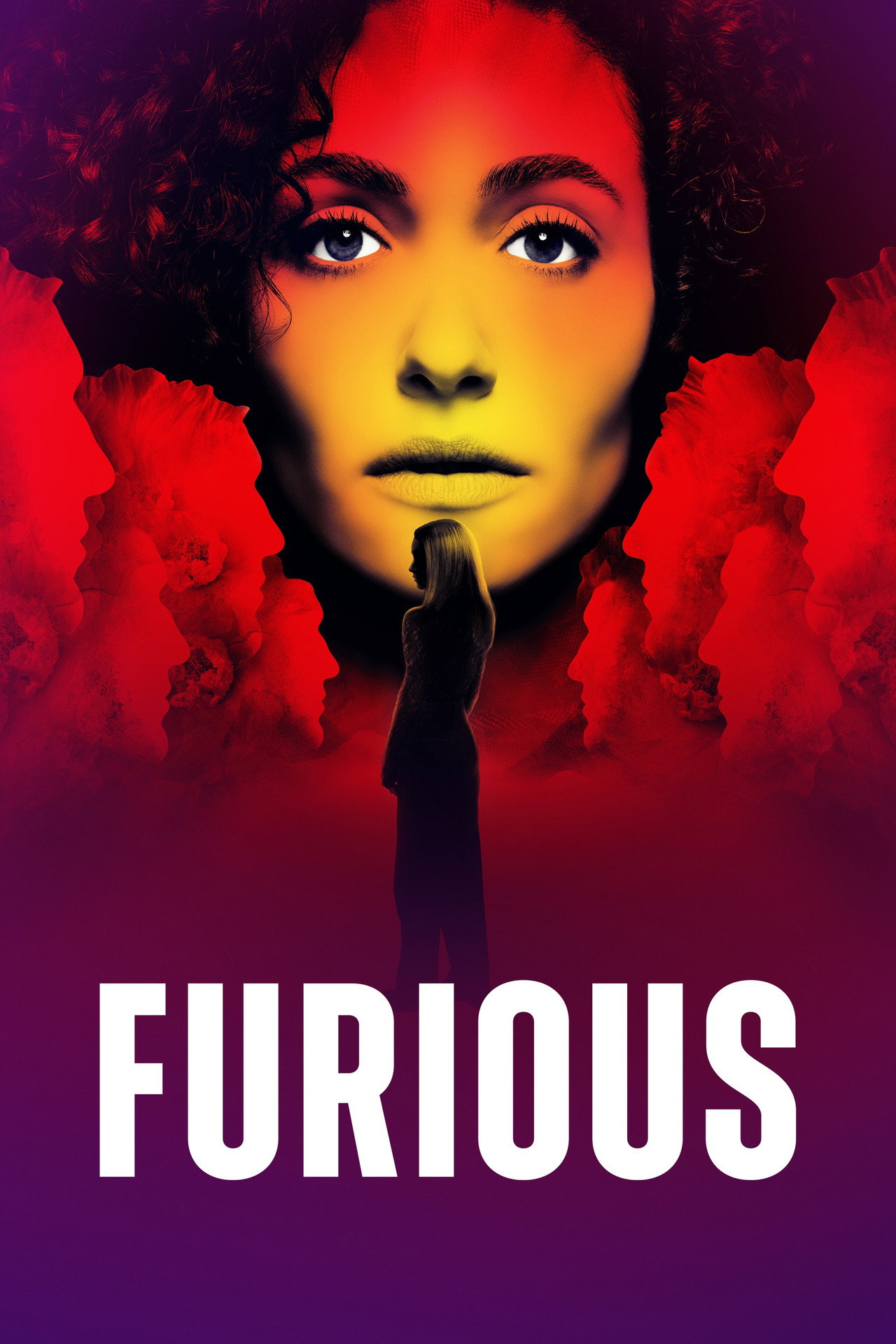
The Verdict
The Nerdiction verdict: Furious – When Revenge Becomes a List is good and receives 71 out of 100 points.
Pro
- Emmy Rossum’s compelling lead performance grounds the series in authentic emotional depth
- Strong visual aesthetic with moody cinematography and meticulous production design that reinforces the dark tone
- Tight, multi-layered narrative balancing episodic cases with overarching character-driven tension
Contra
- Limited episode count may feel rushed, leaving subplots under‑developed
- Occasional pacing inconsistencies, especially during mid‑season transitions
- Reliance on genre tropes can render the storyline predictable at times
Videos & Trailers
Loading video…
Details
July 27, 2026
1
8
Returning Series
August 24, 2026
7.1
/ 10(60 votes)61.4
Genres
Production Companies
Production Countries
Spoken Languages
Cast
Table of Contents
Introduction | Plot & Setting | Characters & Acting | Seasons & Episode Structure | Direction, Cinematography & Visuals | Music & Sound Design | Themes & Depth | Comparison with Similar Series | Binge-Worthiness | Verdict
Introduction
[[IMAGE_1]] Furious, Elizabeth Meriwether’s latest crime drama, thrusts viewers into a relentless cat‑and‑mouse game between two women who each perceive murder as a personal crusade. Since its Hulu debut on July 27, 2026, the series has generated a storm of praise, boasting a remarkable 98% Tomatometer rating and overwhelmingly positive user reviews. While TMDB places it at 7.1/10, the show’s strong critical backing and Emmy Rossum’s commanding performance as FBI agent Alice Black lend it a gritty credibility. The series’ bleak premise—a serial killer’s merciless revenge—meets a visual style that balances stark aesthetics with moral ambiguity, setting the stage for a thriller that aims to probe the gray zones of justice and vengeance.
Plot & Setting
[[IMAGE_2]] The storyline unfolds as a tense duel between an unyielding investigator and a similarly implacable serial murderer. Alice Black (Emmy Rossum) navigates the bureaucratic veneer of the FBI while pursuing a personal vendetta that blurs the line between law enforcement and retribution. Although the script avoids gratuitous twists, it draws inspiration from the cultural echo of the 1987 film "Black Widow," opting for a restrained tone that emphasizes the psychologicalDuel between its protagonists. The setting drifts through stark American locales—from the cold streets of Denver to the shadowed alleys of Chicago—creating a palpable sense of desolation that mirrors the characters’ internal states. With eight episodes in its inaugural season and a “Returning Series” status, the show hints at a longer exploration of these uneasy dynamics. Each episode presents a fragment of the killer’s pattern, yet also deepens the evolving tension between Alice and her adversary, suggesting a narrative built as much on personal confrontation as on procedural investigation.
Characters & Acting
The ensemble cast is both the series’ strongest suit and its most pronounced challenge. Emmy Rossum leads as Alice Black, embodying an FBI agent whose official duties mask a hidden thirst for retribution. Rossum’s nuanced performance—marked by subtle melancholy and fierce determination—provides the emotional core that grounds the drama. Lola Petticrew portrays the serial killer, a figure whose psychological complexity is revealed gradually through actions and fragmented back‑stories. Scoot McNairy adds gravitas as Danny Kelly, a seasoned FBI operative whose bureaucratic pragmatism sometimes clashes with Alice’s impulsive methods. Quincy Tyler Bernstine’s Nora Washington appears as a supporting player whose role hints at deeper layers yet remains underdeveloped. The dynamic between Rossum’s and Petticrew’s characters drives the series’ central conflict, offering a compelling study of two women bound by a shared, dark purpose.
Seasons & Episode Structure
The first season’s eight episodes focus on a multi‑arc narrative, allowing the series to unfold its central mystery without sacrificing pacing. The rapid‑fire editing and tightly wound dialogue maintain a relentless momentum that mirrors the killer’s own urgency. While the season’s brevity risks leaving subplots feeling truncated, it also ensures that the primary tension between Alice and her adversary remains front‑and‑center. The “Returning Series” designation suggests future expansion, offering the possibility of deeper character development and more complex story arcs as the series evolves.
Direction, Cinematography & Visuals
Visually, Furious embraces a stark, atmospheric aesthetic. The cinematography employs cold, desaturated palettes and meticulous framing to accentuate the moral gloom permeating the narrative. Sharp editing—utilizing quick cuts and moments of deliberate stillness—enhances the sense of impending danger and moral tension. The production design, overseen by Composition 8, creates a stark environment that feels both claustrophobic and expansive, reflecting the characters’ isolation and the vast scale of their conflict. While the visual style is undeniably effective, it occasionally borders on grimness, potentially limiting the series’ emotional range.
Music & Sound Design
[[IMAGE_3]] The series’ soundtrack is understated yet potent. A low, string‑driven motif underscores the pivotal confrontations between Alice and the killer, symbolizing their intertwined fates. Sound design integrates ambient noises—wind, distant sirens, and abrupt percussive effects—to heighten tension without drowning out dialogue. This minimalist approach ensures that the narrative remains the focal point, allowing the emotional undercurrents to surface organically. The balance between music and sound is deft, reinforcing the series’ overall mood of uneasy suspense.
Themes & Depth
Furious probes several societal themes, most notably the blurred lines between justice and vengeance. The series’ central conflict—two women each convinced of their moral superiority—serves as a lens through which to examine the cost of obsessive retribution. By situating its narrative within a realistic, gritty setting, the show attempts to comment on contemporary attitudes toward crime and punishment. However, while the thematic intent is evident, the execution sometimes feels superficial, with the script leaning toward melodrama rather than delivering a profound critique of its subject matter.
Comparison with Similar Series
In the landscape of crime dramas, Furious shares DNA with series like “Breaking Bad,” where personal morality is pitted against institutional constraints. Like “The Killing,” it adopts a serialized approach, unfolding its mystery gradually across a limited number of episodes. Yet, Furious distinguishes itself through its focus on dual female leads and a visual style that evokes classic neo‑noir thrillers, setting it apart from its contemporaries.
Binge-Worthiness
[[IMAGE_4]] The tight pacing and concise storytelling of Furious make it highly binge‑worthy. The first season’s rapid plot development and the relentless tension between its protagonists keep viewers hooked from start to finish. However, the series’ reliance on atmospheric tension can occasionally feel claustrophobic, and the limited episode count may leave some audiences desiring more depth. Nonetheless, its compact format is ideal for nightly viewing sessions, offering a complete emotional arc without the drag of prolonged seasons.
Verdict
Furious is a committed crime drama that leverages strong critical acclaim and a potent ensemble cast to deliver a tense, morally complex narrative. Emmy Rossum’s performance anchors the series, while the visual and auditory design reinforce its dark, unforgiving tone. Though the thematic exploration occasionally falls short of its ambitious goals, the series remains a compelling watch for fans of gritty thrillers. With its promising start and returning status, Furious is worth following as it continues to explore the uneasy dance between justice and vengeance.
Das könnte dich auch interessieren
Weitere Reviews aus der Kategorie series.

Nur für dein Leben
Ein Vater wird fälschlicherweise wegen Mordes an seinem Sohn inhaftiert. Als er erfährt, dass der noch leben könnte, begibt er sich auf eine verzweife…
Kap der Angst
Für ein glücklich verheiratetes Anwaltspaar braut sich ein Sturm zusammen, als ein berüchtigter Mörder aus ihrer Vergangenheit aus dem Gefängnis kommt…

Lucky – ein Thriller, der neue Maßstäbe setzt
Inhaltsverzeichnis 1. Serien‑Einordnung 2. Prämisse (Spoiler‑arm) 3. Figuren 4. Erzählstruktur 5. Inszenierung und Produktionswert 6. Pacing und Drama…
Frequently Asked Questions
How good is Furious – When Revenge Becomes a List?
Furious – When Revenge Becomes a List wurde von Nerdiction mit 71 von 100 Punkten bewertet und ist damit good.
What are the pros of Furious – When Revenge Becomes a List?
The advantages of Furious – When Revenge Becomes a List: Emmy Rossum’s compelling lead performance grounds the series in authentic emotional depth, Strong visual aesthetic with moody cinematography and meticulous production design that reinforces the dark tone, Tight, multi-layered narrative balancing episodic cases with overarching character-driven tension, Atmospheric sound design and minimalist score that amplify suspense without overwhelming dialogue, Critical acclaim highlighted by a 98% Tomatometer rating, reflecting robust industry and audience approval.
What are the cons of Furious – When Revenge Becomes a List?
The disadvantages of Furious – When Revenge Becomes a List: Limited episode count may feel rushed, leaving subplots under‑developed, Occasional pacing inconsistencies, especially during mid‑season transitions, Reliance on genre tropes can render the storyline predictable at times, Supporting characters sometimes receive less development, affecting ensemble balance, Moral ambiguity occasionally leans toward melodrama rather than nuanced exploration.
Is Furious – When Revenge Becomes a List worth it?
Yes. Furious – When Revenge Becomes a List received a score of 71/100 points and is good.