The Verdict
The Nerdiction verdict: Don't Say Good Luck – A Heartfelt Netflix Dramedy is good and receives 73 out of 100 points.
Pro
- Sunny Sandler delivers a nuanced and expressive lead performance as Sophie Birenbaum.
- Melanie Lynskey shows deep emotional presence as Elizabeth, balancing strength and fragility with skill.
- Julia Hart’s direction combines cinematic intimacy with a warm, natural visual style that brings scenes to life.
Contra
- At just 96 minutes runtime, some supporting characters, such as Ted and Ms. Parker, remain somewhat underdeveloped.
- A few comedic beats feel slightly forced, occasionally breaking the film's otherwise calm tone.
- With minimal visible VFX, the emphasis rests heavily on acting and set design, limiting spectacle for viewers who favor visual flair.
Details
August 13, 2026
1h 36m
7.2
/ 10(63 votes)47.0
Genres
Production Companies
Production Countries
Spoken Languages
Cast
Table of Contents
- Introduction
- Plot & Narrative
- Acting & Characters
- Direction & Cinematography
- Music & Sound Design
- Visual Effects & Technical Craft
- Themes & Message
- Comparison with Similar Films
- Who Is This Film For?
- Verdict
Introduction
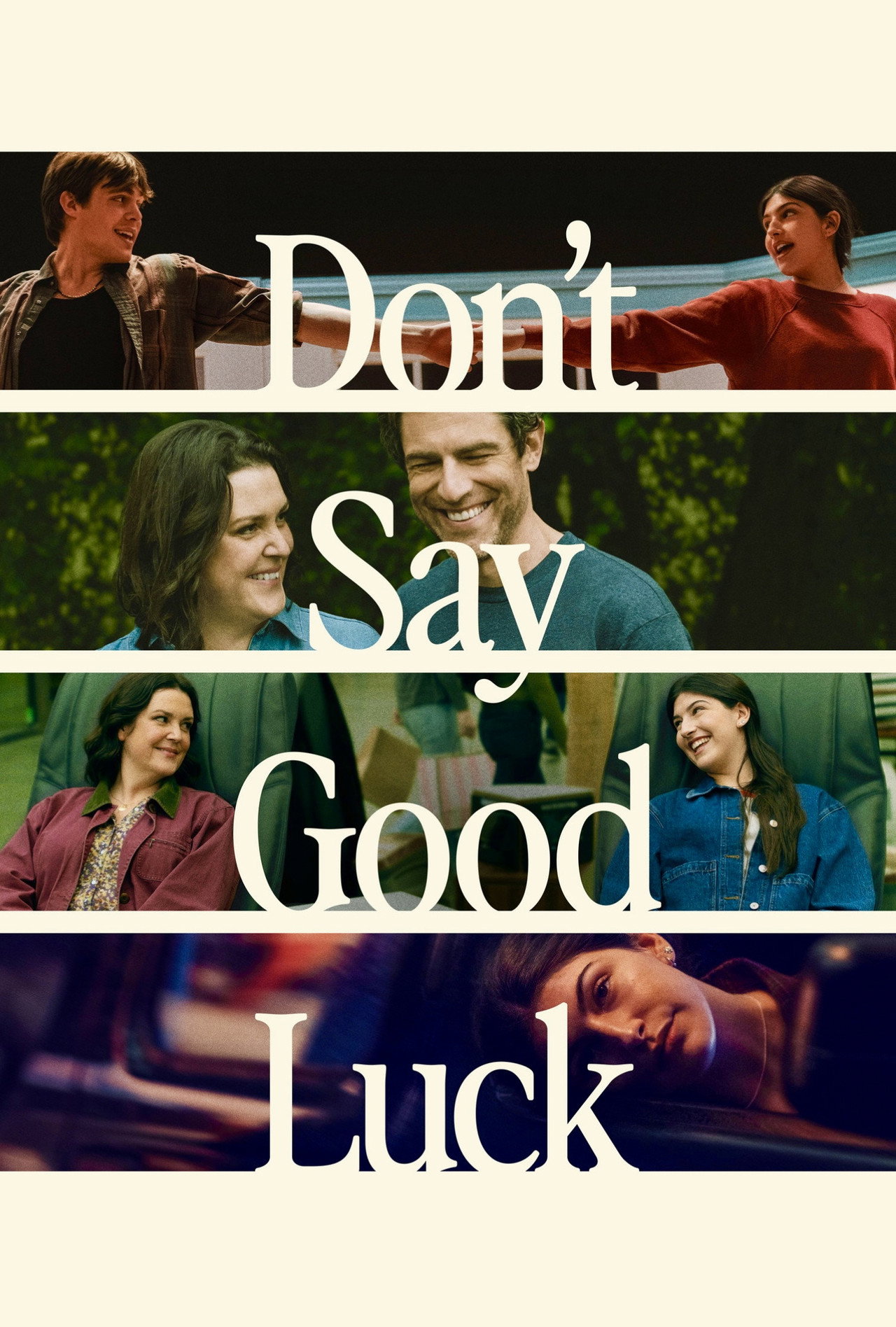
Don't Say Good Luck arrives on Netflix in 2026 as a blend of comedy, music, and drama that centers on a family's quiet struggles. The film follows a teenage girl on the brink of her big school musical premiere while domestic tensions rise beneath the surface. Early impressions suggest a sincere, tender narrative that avoids flashy tropes in favor of emotional authenticity. Without revealing spoilers, the movie meets expectations for an intimate indie dramedy that feels both fresh and familiar.
[[IMAGE_1]]
Plot & Narrative
The story follows Sophie Birenbaum as she prepares for her starring role in the high school production, while her household grapples with misunderstandings and shifting dynamics. The pacing alternates between contemplative character beats and brisker, comedic moments, keeping the narrative tight yet engaging. Turning points emerge from small revelations that test family bonds, while the central musical number serves as an emotional anchor. Dialogue feels natural and steers clear of overused clichés, allowing scenes to breathe honestly. Overall, the plot remains focused on the intersection of personal aspiration and familial responsibility.
[[IMAGE_2]]
Acting & Characters
Sunny Sandler delivers Sophie with a compelling mix of vulnerability and youthful energy, making her performance instantly believable. Melanie Lynskey portrays Elizabeth, Sophie's mother, with a layered portrayal that conveys both strength and inner turmoil. Max Greenfield as Ted adds subtle humor and paternal warmth, while Stephanie Beatriz as Ms. Parker balances school authority with empathetic depth. The chemistry among the cast shines especially in scenes where song and dialogue flow seamlessly into one another.
[[IMAGE_3]]
Direction & Cinematography
Julia Hart directs with a clear eye for intimacy, employing camera choices that highlight the emotional subtleties of each character. The editing is smooth, transitioning calm moments into lively musical sequences without disrupting the overall rhythm. Visual style favors natural light and warm tones, giving the home setting a lived-in, inviting feel. The direction successfully balances theatrical performance with everyday authenticity, reinforcing the film's grounded tone.
[[IMAGE_4]]
Music & Sound Design
The score underscores the film's emotional core, highlighted by the rendition of Sara Bareilles’ “She Used to Be Mine,” which feels raw yet hopeful. Sound effects are used sparingly to enhance ambient noises of the house and theater, lending realism to the setting. Musical numbers are carefully staged to support the narrative rather than interrupt it, ensuring each song advances character development. This careful alignment creates an audiovisual experience that amplifies themes of hope and acceptance.
Visual Effects & Technical Craft
Given the film's emphasis on character and dialogue, noticeable VFX are largely absent, allowing production design to take center stage. The set dressing of the home and school stage is richly detailed, with props and costumes that precisely reflect each character's personality. Technical execution features crisp image quality and clean audio, particularly benefiting the vocal performances. The result is a polished but unobtrusive technical package that keeps focus firmly on the story.
Themes & Message
At its heart, Don't Say Good Luck explores the tension between personal dreams and family expectations, a theme that resonates across generations. The film examines how pressure and support can coexist, showing that honesty and vulnerability are key to healthy relationships. It also highlights the transformative power of music as a vehicle for self-discovery and emotional catharsis. These ideas are conveyed through both quiet dialogue moments and powerful song sequences, giving the story universal appeal.
Comparison with Similar Films
Compared to other Netflix dramedies such as “The Half of It” or “Love, Guadalupe,” Don't Say Good Luck stands out with its stronger musical focus and equal attention to school and family life. While many titles lean toward dry humor or pure drama, this film blends both with a musical set piece that forms the emotional climax. Similar to “Lady Bird,” it offers a precise character study, though with a lighter tone that refreshes the genre. This positioning appeals to both indie-drama fans and viewers who appreciate musical elements.
Who Is This Film For?
The movie targets viewers seeking a heartfelt story that avoids extremes of heaviness or superficiality. Fans of character-driven dramedies who value strong acting will find much to appreciate. It also suits audiences who enjoy musical interludes without the film becoming a full-blown musical. At a runtime of 96 minutes, it fits well into a cozy home viewing session or a brief theatrical outing, should it screen in select venues.
Verdict
Don't Say Good Luck succeeds through its honest portrayal of family dynamics, strong performances, and effective use of music as a storytelling device. Weaknesses include somewhat limited development of supporting characters and occasional tonal shifts between comedy and drama that feel uneven. Considering the generally positive critical reception and the film's emotional impact, a score of 73 out of 100 is justified, recommending it especially to those looking for an accessible yet moving experience. A clear recommendation to stream on Netflix follows.
Das könnte dich auch interessieren
Weitere Reviews aus der Kategorie movie.
Tyler Perry's Doing Life – Eine tiefgehende Analyse
Inhaltsverzeichnis [Einleitung]( einleitung) [Handlung & Erzählung]( handlung und erzaehlung) [Schauspiel & Charaktere]( schauspiel und charaktere) [R…
UNABOMBER
Einleitung In diesem Drama nach wahren Ereignissen wird Ted Kaczynskis Weg vom Harvard Wunderkind und Testobjekt zum berüchtigten, vom FBI gejagten Un…

Mayday
Einleitung Auf dem Höhepunkt des Kalten Krieges gerät US Navy Pilot Lieutenant Troy „Assassin“ Kelly während einer streng geheimen Mission über russis…
Frequently Asked Questions
How good is Don't Say Good Luck – A Heartfelt Netflix Dramedy?
Don't Say Good Luck – A Heartfelt Netflix Dramedy wurde von Nerdiction mit 73 von 100 Punkten bewertet und ist damit good.
What are the pros of Don't Say Good Luck – A Heartfelt Netflix Dramedy?
The advantages of Don't Say Good Luck – A Heartfelt Netflix Dramedy: Sunny Sandler delivers a nuanced and expressive lead performance as Sophie Birenbaum., Melanie Lynskey shows deep emotional presence as Elizabeth, balancing strength and fragility with skill., Julia Hart’s direction combines cinematic intimacy with a warm, natural visual style that brings scenes to life., The use of Sara Bareilles’ 'She Used to Be Mine' as a musical highlight creates an authentic, moving moment that pushes the story forward., The balance between comedic elements and dramatic depth feels natural, avoiding typical streaming dramedy clichés..
What are the cons of Don't Say Good Luck – A Heartfelt Netflix Dramedy?
The disadvantages of Don't Say Good Luck – A Heartfelt Netflix Dramedy: At just 96 minutes runtime, some supporting characters, such as Ted and Ms. Parker, remain somewhat underdeveloped., A few comedic beats feel slightly forced, occasionally breaking the film's otherwise calm tone., With minimal visible VFX, the emphasis rests heavily on acting and set design, limiting spectacle for viewers who favor visual flair., The narrative structure leans on familiar indie dramedy tropes, which curtails unexpected twists., The strong musical focus may deter audiences who prefer pure dialogue-driven dramas..
Is Don't Say Good Luck – A Heartfelt Netflix Dramedy worth it?
Yes. Don't Say Good Luck – A Heartfelt Netflix Dramedy received a score of 73/100 points and is good.