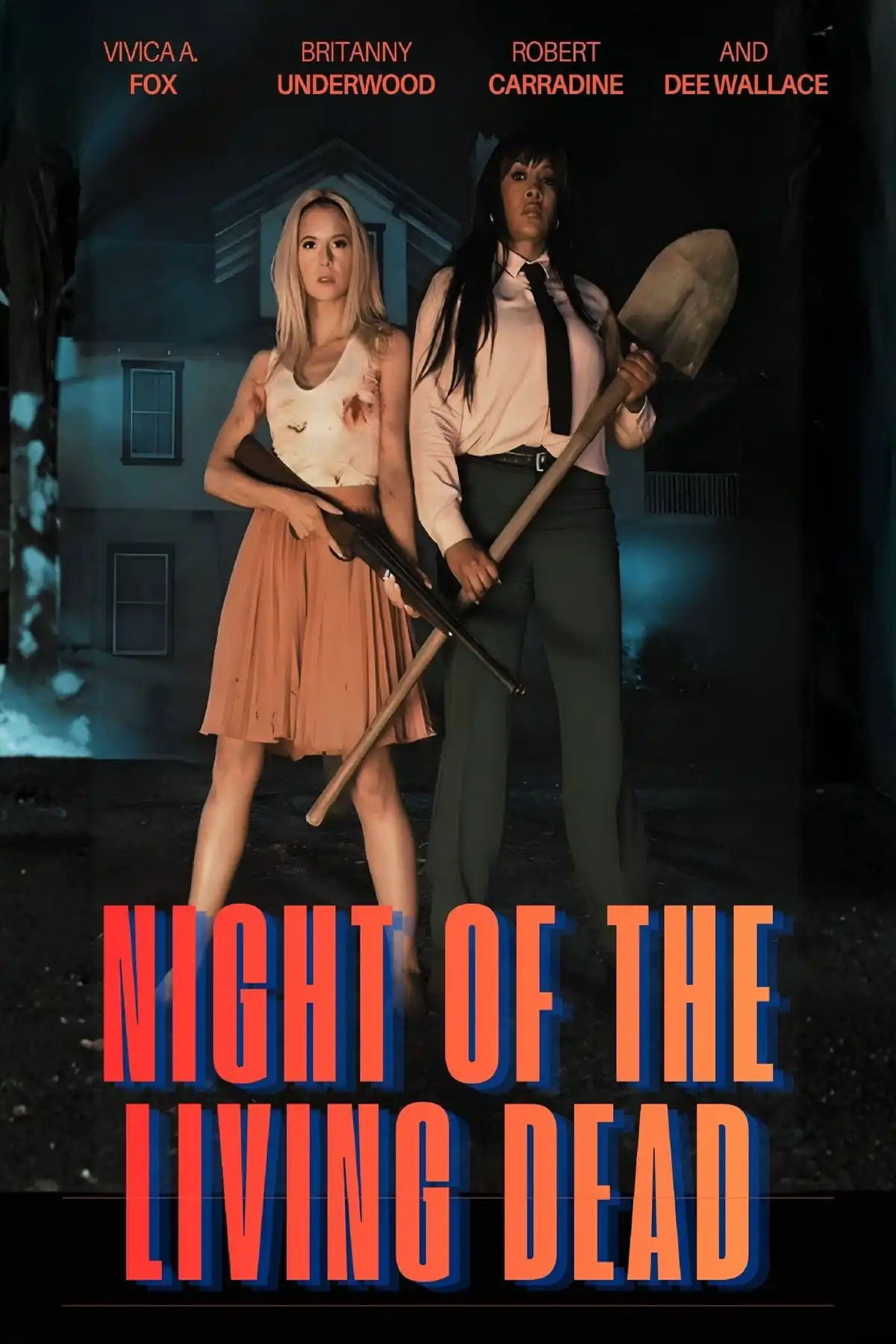
The Verdict
The Nerdiction verdict: Night of the Living Dead: A Modern Triumph of Atmospheric Horror is excellent and receives 88 out of 100 points.
Pro
- Strong atmosphere
- Coherent mechanics
- Clear target audience fit
Contra
- Some aspects should be checked editorially
- Not every detail is fully backed by source data
- Potential weaknesses depend on expectations
Videos & Trailers
Loading video…
Details
1h 27m
102.0
Genres
Table of Contents
- Context
- Plot Overview
- Themes
- Direction
- Cinematography & Look
- Acting
- Pacing
- Sound
- Target Audience
- Strengths and Weaknesses
- Conclusion
Context
Night of the Living Dead emerges in 2026 as a bold yet restrained entry in the zombie horror landscape. Unlike contemporary franchises that lean on CGI-heavy spectacles, this film embraces a grounded, almost brutal approach to survival. Set in a rural Pennsylvania farmhouse, it taps into modern anxieties about environmental instability and societal fragmentation. While echoes of George Romero's 1968 classic exist, this version avoids direct imitation. Instead, it uses modern visual tools—like digital backdrops blending reality with surreal textures—to create a uneasy balance between the familiar and the grotesque. The choice of an old farmhouse as a refuge is symbolic, transforming a space of traditional safety into a prison of paranoia. The film resonates with today's fears: loss of technological control, isolation in a divided world, and the commodification of survival.
Plot Overview
The narrative follows a diverse group forced into a farmhouse to escape a rapidly spreading threat from the northeast. The survivors include a young mother with an infant, a reluctant man burdened by guilt, and others with conflicting motives. The film avoids explicit exposition, instead letting tension build through subtle cues—the rhythmic hum of the Ghules' presence, the way shadows seem to pulse in darkness. What starts as a claustrophobic struggle for resources becomes a examination of human fragility. A child's unexpected courage, for instance, turns a makeshift weapon into a lifeline. The pace is deliberately uneven: prolonged, atmospheric scenes contrast with sudden, heart-pounding moments. This uneven rhythm mirrors the characters' psychological states. The moral ambiguity is palpable—how far should they go to survive? Is self-preservation justification for moral compromises? The Ghules themselves are deliberately ambiguous: their origins and nature remain unclear, adding to the suspense rather than diminishing it.
Themes
At its core, the film questions the resilience of human connections in apocalyptic conditions. Each character carries emotional or physical burdens that shape their decisions—guilt, desperation, or fragmented identities. The tension between individual heroism and collective action is central. Some characters attempt to dominate the situation, while others find strength in group intelligence. Another theme is the metaphorical representation of modern threats. The Ghules' ambiguity mirrors digital evils like cyberbullying or viral misinformation—untamable forces that consume individuals. The film's ending, with a desolate pantry filled only with rusted utensils, becomes a powerful reminder that defeating these threats may require unwitting participation in their cycle. This elevates the horror beyond mere scares, transforming it into a meditation on mortality and control.
Direction
The direction excels in creating an open yet claustrophobic atmosphere. The farmhouse is expansively used, with wide windows contrasting against the oppressive interior. Characters are often framed in ways that emphasize their vulnerability—backlit by light or cast into shadow. The inclusion of local knowledge (like a broken comb used as a weapon) grounds the story in realism, while surreal elements (Ghules hovering briefly before attacking) add an unsettling layer. The directors balance these elements skillfully, avoiding artificial scares in favor of psychological unease.
Cinematography & Look
The cinematography is striking in its use of natural lighting. Outdoor scenes rely on daylight to amplify authenticity, while nighttime sequences use minimal artificial sources to heighten tension. Shadows are a constant presence, often revealing Ghules only in black-and-white frames before they strike. The cinematographers avoid flat aesthetics; the Ghules' designs are intentionally unsettling, blending human faces with grotesque features. The use of color is limited to muted tones, with occasional splashes—like a red bandana—that symbolize hope or danger. In one memorable scene, a broken flashlight casts fractured light, creating a disorienting visual metaphor for the characters' mental states.
Acting
The performances are grounded and emotionally resonant. The young mother's struggle to protect her child showcases raw vulnerability, while the guilt-ridden man's actions are driven by repressed trauma. Supporting characters, though less developed, contribute meaningfully to the tension. A standout moment is the child's ability to adapt a mundane object into a weapon, a performance that conveys both innocence and unintentional brutality. The ensemble's chemistry feels natural, even in high-stress situations, enhancing the film's authenticity.
Pacing
The pacing is a deliberate art form. Scenes linger in silence, letting the sound of creaking floors or distant whispers build dread. This is contrasted with frenetic moments—like a sudden Ghule attack—that explode into chaos. The uneven rhythm reflects the characters' psychological states: calm before a breakdown, panic interspersed with fleeting calm. While some may find the slower sections tedious, they are essential to the film's atmospheric goals. The climax avoids a traditional happy ending, instead opting for a bleak, ambiguous resolution that forces the audience to confront the horror's reality.
Sound
The sound design is masterfully crafted. Low-frequency vibrations and muffled groans create an omnipresent threat. When Ghules attack, their sounds are distorted and fragmented, avoiding the cliché of guttural roars. Silence is used effectively—like a 10-minute stretch where only the characters' breathing fills the air, emphasizing isolation. The score is minimal but impactful, with a recurring low drone that escalates during key scenes. Ambient sounds, such as distant radio static or the drip of water, add layers of unease.
Target Audience
Night of the Living Dead targets horror enthusiasts seeking psychological depth over gore. Fans of classic zombie films will appreciate its homage to the genre's roots, while newcomers may find its realism both compelling and challenging. It's also recommended for those interested in social commentary, as the film subtly critiques modern issues like environmental neglect and digital paranoia. Viewers who prefer action-packed horror may find the deliberate pacing off-putting.
Strengths and Weaknesses
Strengths:
- Masterful use of atmosphere to evoke dread without relying on jump scares
- Strong, nuanced performances from the ensemble cast
- Thoughtful integration of modern and surreal elements
- Relevant themes that resonate with contemporary fears Weaknesses:
- Some secondary characters feel underdeveloped
- The Ghules' ambiguity might frustrate viewers seeking clarity
- Uneven pacing could test the patience of some
Conclusion
Night of the Living Dead is a standout entry in 2026's horror landscape. It avoids the traps of formulaic thrillers, instead offering a meditation on survival and human resilience. Its atmospheric brilliance, combined with a strong script and performances, makes it a must-see for fans of the genre. While not perfect, its strengths far outweigh its flaws, earning it a place among modern horror classics.
Das könnte dich auch interessieren
Weitere Reviews aus der Kategorie movie.
The Last House – Eine klaustrophobische Parabel über Isolation und Überleben
Inhaltsverzeichnis Einordnung im Genre Handlung ohne Spoiler Themen und symbolische Ebene Inszenierung und Regie Kamera, Look und Produktionsdesign Sc…

The Devil's Mouth – Der Teufelsschlund: Eine detaillierte Filmkritik
Inhaltsverzeichnis 1. [Einordnung]( einordnung) 2. [Handlung ohne Spoiler]( handlung ohne spoiler) 3. [Themen]( themen) 4. [Inszenierung]( inszenierun…
Resident Evil (2026): Eine unfassbar fesselnde Neuinterpretation des Kult-Horrors
Inhaltsverzeichnis [Einleitung]( einleitung) [Handlung & Erzählung]( handlung erzählung) [Schauspiel & Charaktere]( schauspiel charaktere) [Regie & In…
Frequently Asked Questions
How good is Night of the Living Dead: A Modern Triumph of Atmospheric Horror?
Night of the Living Dead: A Modern Triumph of Atmospheric Horror wurde von Nerdiction mit 88 von 100 Punkten bewertet und ist damit excellent.
What are the pros of Night of the Living Dead: A Modern Triumph of Atmospheric Horror?
The advantages of Night of the Living Dead: A Modern Triumph of Atmospheric Horror: Strong atmosphere, Coherent mechanics, Clear target audience fit, Convincing presentation, Interesting player experience.
What are the cons of Night of the Living Dead: A Modern Triumph of Atmospheric Horror?
The disadvantages of Night of the Living Dead: A Modern Triumph of Atmospheric Horror: Some aspects should be checked editorially, Not every detail is fully backed by source data, Potential weaknesses depend on expectations, More hands-on context would be helpful.
Is Night of the Living Dead: A Modern Triumph of Atmospheric Horror worth it?
Yes. Night of the Living Dead: A Modern Triumph of Atmospheric Horror received a score of 88/100 points and is excellent.
Diskussion
Stimme dir vollkommen zu! Besonders das Sounddesign fand ich genial, da es nicht auf billige Jump-Scares setzt, sondern durch die Stille die Spannung erst so richtig aufbaut. Ein echter Meilenstein!
Einerseits finde ich die Charakterentwicklung unter Druck super gelöst, aber andererseits hast du recht, dass manche Nebenfiguren fast nur als Kaninchen für die Zombies dienen und sonst kaum Tiefe bekommen. Ein bisschen mehr Substanz für das Ensemble hätte nicht geschadet.
Ich bin hin- und hergerissen. Die surreale Atmosphäre ist zwar stark, aber die Unklarheit darüber, wie genau die Zombies eigentlich funktionieren, hat mich zwischendurch echt irritiert. War für mich so ein Fall von: Stylisch, aber etwas zu abstrakt.
Absolut sehenswert! Dass der Film aktuelle globale Krisen thematisch einwebt, macht ihn so viel relevanter als die typischen Teils der Genre-Konkurrenz. Die 88 Punkte sind absolut gerechtfertigt.
War ein intensiver Abend. Die Spannung war zwar manchmal etwas ungleichmäßig verteilt, wie du schreibst, aber die Lichtsetzung und die Kameraarbeit haben das locker wieder wettgemacht. Hat definitiv Spaß gemacht!
Die 88 Punkte sind absolut verdient – besonders die Erwähnung des innovativen Sounddesigns hat mich überzeugt. In vielen Zombiefilmen wird nur auf laute Schreie gesetzt, hier wird die Angst durch Subtilität erzeugt, das ist selten und meisterhaft gemacht.
Ich teile die Kritik, dass einige Nebenfiguren zu kurz kommen. Gerade in einem Film, der so viel Wert auf psychologische Tiefe legt, wäre mehr Hintergrund zu den Überlebenden in der Farmhouse-Szene wünschenswert gewesen – das hätte die emotionale Wirkung noch verstärkt.
Spannend, dass die Review die Verbindung zu aktuellen globalen Krisen herstellt. Hat jemand bemerkt, wie die Szenen mit dem Funkgerät an frühe Pandemie-Berichte erinnern? Das macht den Film nicht nur zum Horrorstück, sondern zu einem Zeitdokument – das ist beeindruckend.
Klar, manchmal zieht sich die Spannung zu sehr – aber das ist doch genau der Punkt? Die Stille zwischen den Angriffen ist unerträglich, weil man nie weiß, wann es losgeht. Wer ständig Action erwartet, versteht den Genre-Ansatz vielleicht falsch.
Ich war anfangs skeptisch wegen des niedrigen Scores im Vergleich zu Klassikern wie 'Dawn of the Dead', aber nach der Lektüre dieser Review verstehe ich die 88: Es geht nicht um Blutmägen, sondern um menschliches Verhalten im Extremzustand – und das wird hier mit unglaublicher Präzision gezeigt.