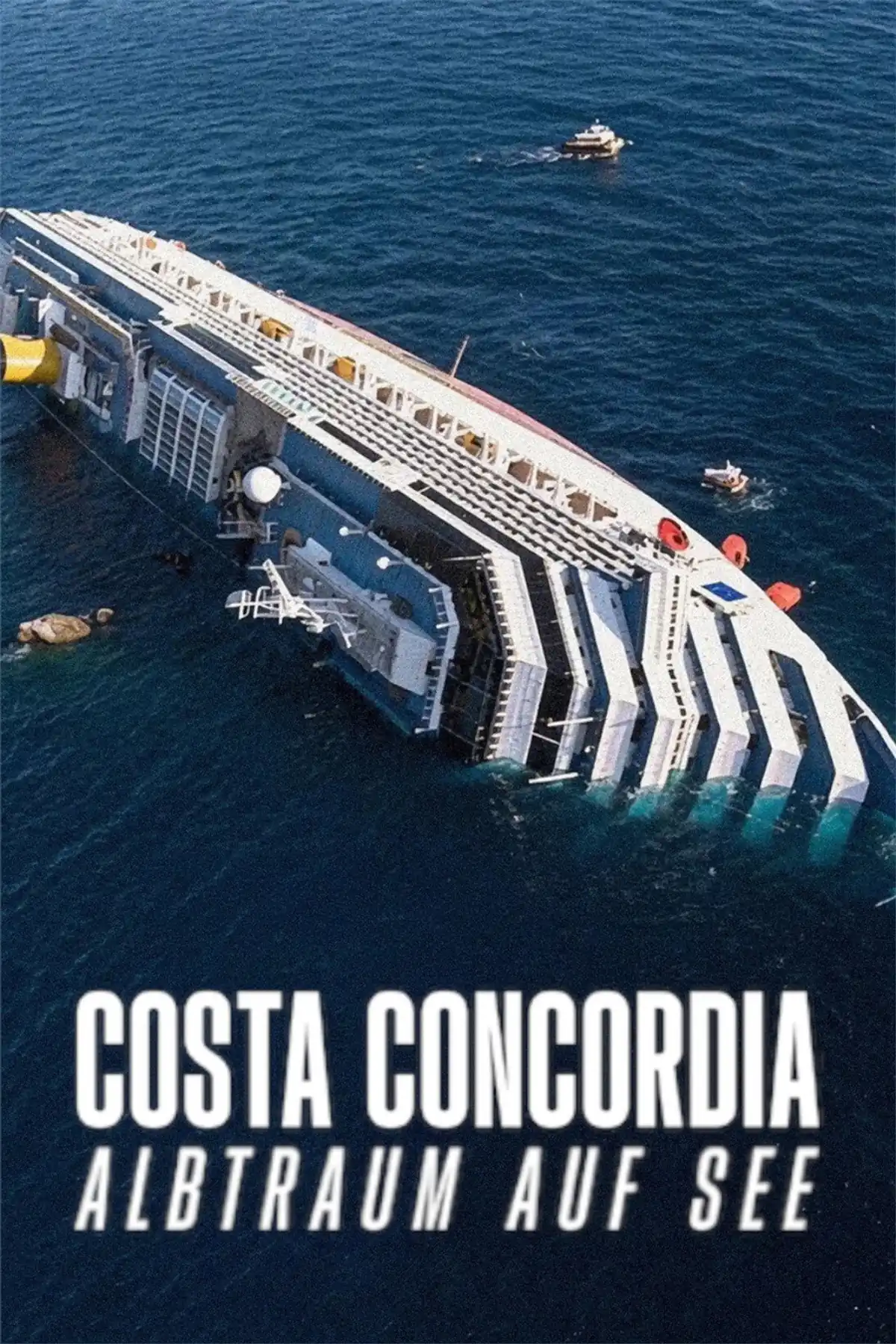
The Verdict
The Nerdiction verdict: Costa Concordia: Nightmare at Sea – An In‑Depth Documentary is excellent and receives 82 out of 100 points.
Pro
- Balanced, factual presentation free of sensationalism
- Use of previously unreleased archival material combined with firsthand eyewitness accounts
- Clear structural organization that makes the sequence of events easy to follow
Contra
- More complex technical explanations could benefit from additional graphics or animations
- Some audience members wished for a longer runtime to cover aspects such as the legal aftermath in greater depth
- Concentration on the immediate events leaves limited room for an extensive analysis of the long‑term impact on the cruise industry
Details
1h 29m
11.7
Genres
Costa Concordia: Nightmare at Sea – An In‑Depth Documentary<br><br>## Table of Contents<br>1. Introduction<br>2. Context & Background<br>3. Narrative Structure (Story Without Spoilers)<br>4. Themes & Messages<br>5. Direction & Filmmaking<br>6. Cinematography & Visual Style<br>7. Editing & Pacing<br>8. Sound Design & Music<br>9. Performance & Interview Approach<br>10. Target Audience & Reception<br>11. Strengths<br>12. Weaknesses<br>13. Final Verdict<br><br>## Introduction<br>The documentary “Costa Concordia: Nightmare at Sea” examines one of the most shocking maritime disasters of the early 21st century. By using previously unreleased footage and extensive interviews with survivors, the film builds a picture that addresses both the technical and human dimensions of the tragedy. Rather than chasing sensationalism, it opts for a measured, factual recount that invites viewers to reflect on responsibility, preparedness, and behavior during crises. From the opening minutes it is clear that the creators aim for a balanced narrative that neither excuses those at fault nor overly dramatizes the victims.<br><br>## Context & Background<br>In January 2012 the luxury cruise liner Costa Concordia struck a rock off the island of Giglio, Italy, and subsequently capsized. The incident resulted in numerous fatalities and sparked a worldwide debate about safety standards in the cruise industry. The documentary situates the sinking within this broader framework, briefly touching on the evolution of the modern cruise fleet, the ever‑increasing size of vessels, and the attendant challenges for navigation and evacuation. It also glances at the legal aftermath without delving into detail, keeping the focus firmly on the experiences of those directly affected.<br><br>## Narrative Structure (Story Without Spoilers)<br>The film follows a clear chronological line, beginning with the ship’s departure from port, proceeding along the coastline, reaching the moment of impact, and then depicting the ensuing evacuation. Throughout, short flashbacks are woven in to shed light on the personal backgrounds of individual passengers and crew members, while deliberately avoiding any revelation of key twists. This approach creates a tension arc that makes the events easy to follow while still leaving space for contemplation. The viewer is guided by clean edit points, allowing the escalation to be traced without premature disclosure of crucial information.<br><br>## Themes & Messages<br>Core themes include human error, institutional accountability, and the role of communication in emergencies. The documentary investigates how minor mistakes in a chain reaction can snowball into a major catastrophe, raising questions about the adequacy of crew training and the effectiveness of emergency plans. It also addresses the psychological toll on survivors, showing how trauma and resilience intertwine. Another message highlights the importance of transparency after a disaster: the film stresses that open inquiry and listening to those affected are essential to prevent similar occurrences in the future.<br><br>## Direction & Filmmaking<br>The direction adopts a sober, almost reportage‑like tone, reinforced by steady camera movements and carefully chosen close‑ups. Instead of relying on dramatic music or rapid cuts, the film lets the interviewees’ testimonies and the existing archival material speak for themselves. This lends the production a credibility that builds trust with the audience and encourages a critical view of what is shown. The makers consciously avoid sensationalism, striving to present the sequence of events as neutrally as possible.<br><br>## Cinematography & Visual Style<br>Visual material blends original recordings from the time of the accident – some sourced from private passenger videos – with freshly shot interviews conducted in a neutral, studio‑like setting. The interview segments employ a cooler colour palette to convey a sober atmosphere, while the archival footage retains its original hues to preserve authenticity. Particularly striking are the underwater shots of the capsized hull, which, without heavy embellishment, reveal how the ship rests in the water and which structural damages are visible.<br><br>## Editing & Pacing<br>Editing is deliberately measured, granting each segment sufficient time to resonate. Transitions between interview clips and archival footage are smooth cross‑fades that maintain the narrative flow without interruption, fostering a reflective rhythm. There are hardly any abrupt jump cuts; instead the emphasis is on allowing the viewer to absorb every detail. This restrained pace supports an in‑depth engagement with the subject and prevents the film from becoming a mere distraction.<br><br>## Sound Design & Music<br>The soundscape is restrained, prioritizing the clarity of spoken words. Ambient noises from the original recordings – the creak of the ship, radio chatter among crew members, the gentle lap of water – are subtly enhanced to enliven the scene without overwhelming it. Music is used sparingly, mostly in the form of minimalist piano motifs that run softly in the background during especially poignant moments. This restraint ensures that attention stays on the narrative and is not diverted by auditory distractions.<br><br>## Performance & Interview Approach<br>As a documentary, there are no traditional actors. The film’s credibility rests on the authenticity of the interviewed survivors, crew members, and experts. Interviewing is conducted in an open, respectful manner; interviewers avoid leading questions and give interviewees ample room to recount their memories and impressions. Notably, the team manages to elicit testimony from traumatized individuals without overwhelming them, a skill that greatly contributes to the perception of the film as trustworthy.<br><br>## Target Audience & Reception<br>The work appeals to a broad audience interested in historic events, maritime safety, and human behaviour under extreme conditions. It also speaks to professionals in shipping, disaster management, and psychology, since it delivers both factual information and deep‑seated psychological insight. Since its release on July 10, 2026 the documentary has garnered largely positive feedback; viewers praise its balanced presentation and the wealth of previously unseen material, while some critics feel that its 89‑minute runtime is slightly brief for a topic of such complexity.<br><br>## Strengths<br>- Balanced, factual presentation free of sensationalism<br>- Use of previously unreleased archival material combined with firsthand eyewitness accounts<br>- Clear structural organization that makes the sequence of events easy to follow<br>- Restrained sound design and minimal musical underscore that keep the focus on the narrative<br>- Respectful interview technique that gives survivors space to tell their stories<br><br>## Weaknesses<br>- More complex technical explanations could benefit from additional graphics or animations<br>- Some audience members wished for a longer runtime to cover aspects such as the legal aftermath in greater depth<br>- Concentration on the immediate events leaves limited room for an extensive analysis of the long‑term impact on the cruise industry<br>- In particularly sensitive scenes a clearer trigger warning could have been helpful, although the film overall remains discreet<br><br>## Final Verdict<br>“Costa Concordia: Nightmare at Sea” succeeds in rendering one of the most notorious maritime catastrophes of recent years into a work that is both informative and thought‑provoking. By marrying never‑before‑seen footage, candid interviews, and a calm, factual presentation, the documentary not only recounts the events of 2012 but also raises fundamental questions about responsibility, preparedness, and human conduct in crises. Its strengths lie in its credibility, its lucid structure, and the considerate treatment of those involved. Minor shortcomings pertain mainly to a desire for deeper technical elaboration and a slightly longer running time to explore additional facets of the incident. All things considered, the documentary merits a solid rating and is recommended both for general viewers and for specialists seeking a nuanced look at the disaster.
Das könnte dich auch interessieren
Weitere Reviews aus der Kategorie movie.

Die Festnahme: Thermische Spannung und authentische Action im Herzen Mexikos
Inhaltsverzeichnis [Einleitung]( einleitung) [Handlung & Erzählung]( handlung und erzaehlung) [Schauspiel & Charaktere]( schauspiel und charaktere) [R…

The Last House – Eine klaustrophobische Parabel über Isolation und Überleben
Inhaltsverzeichnis Einordnung im Genre Handlung ohne Spoiler Themen und symbolische Ebene Inszenierung und Regie Kamera, Look und Produktionsdesign Sc…

Die theoretische Unwahrscheinlichkeit von Liebe – Review
Inhaltsverzeichnis [Einleitung]( einleitung) [Handlung & Erzählung]( handlung und erzaehlung) [Schauspiel & Charaktere]( schauspiel und charaktere) [R…
Frequently Asked Questions
How good is Costa Concordia: Nightmare at Sea – An In‑Depth Documentary?
Costa Concordia: Nightmare at Sea – An In‑Depth Documentary wurde von Nerdiction mit 82 von 100 Punkten bewertet und ist damit excellent.
What are the pros of Costa Concordia: Nightmare at Sea – An In‑Depth Documentary?
The advantages of Costa Concordia: Nightmare at Sea – An In‑Depth Documentary: Balanced, factual presentation free of sensationalism, Use of previously unreleased archival material combined with firsthand eyewitness accounts, Clear structural organization that makes the sequence of events easy to follow, Restrained sound design and minimal musical underscore that keep the focus on the narrative, Respectful interview technique that gives survivors space to tell their stories.
What are the cons of Costa Concordia: Nightmare at Sea – An In‑Depth Documentary?
The disadvantages of Costa Concordia: Nightmare at Sea – An In‑Depth Documentary: More complex technical explanations could benefit from additional graphics or animations, Some audience members wished for a longer runtime to cover aspects such as the legal aftermath in greater depth, Concentration on the immediate events leaves limited room for an extensive analysis of the long‑term impact on the cruise industry, In particularly sensitive scenes a clearer trigger warning could have been helpful, although the film overall remains discreet.
Is Costa Concordia: Nightmare at Sea – An In‑Depth Documentary worth it?
Yes. Costa Concordia: Nightmare at Sea – An In‑Depth Documentary received a score of 82/100 points and is excellent.
Diskussion
Interessanter Film mit beeindruckenden Archivmaterial! Die unmittelbaren Augenzeugenberichte tragen wirklich zum Verständnis bei. Allerdings wäre es bei technischen Aspekten hilfreicher gewesen, grafisch aufzublimehen, was gerade für Nicht-Experten schwer verständlich bleibt.
Die strukturelle Gliederung ist überraschend klar – man kann sich leichter den Verlauf des Unglücks vorstellen. Finde es gut, dass der Film sensibel mit den traumatischen Erlebnissen umgeht. Allerdings fehlt mir noch ein bisschen Tiefe bei den rechtlichen Hintergründen, die ich persönlich sehr interessieren würde.
Ehrlich gesagt hat mir das Sounddesign wirklich gefallen – die Stille um Wlände und die sanfte Musik unterstützen die Dramatik. Der Titel klingt schon, aber der Film hat mir nicht die Erwartungen erfüllt. Ich wünschte mir mehr Kontext zur Kreuzfahrtindustrie, die konnte manchmal zu oberflächlich bleiben.
Der Score von 82 ist angemessen. Die Interviews mit Überlebenden sind emotional berührend und authentisch. Jedoch ist die Laufzeit zu kurz, um alle Fakten aufzulisten. Insbesondere die langfristigen Folgen für die Schifffahrt könnte man vertiefen. Ein paar Triggerwarungen für schockierende Szenen wären auch nicht schlecht.
Respekt vor der Sachlichkeit! Der Film vermeidet jeglichen Sensationalismus und bleibt aber fesselnd. Die Kombination aus Archivmaterial und Zeitzeugenaussagen macht den Unterschied. Allerdings wäre es geworden, Animationen zur Technik einzubetten – so bleibt ein Teil dem Zuschauer etwas verborgen.
Ein emotionaler und informativer Film, der einen tiefen Einblick in die Katastrophe gibt. Die Interviews sind beeindruckend. Allerdings wünschte ich mir mehr Zeit für die rechtlichen Aspekte und die Veränderungen in der Industrie. Vielleicht ein Dokumentar-Thriller mit mehr Spannung?
Sehr gelungene Dokumentation, aber ich hätte gerne mehr über die langfristigen Auswirkungen auf die Kreuzfahrtindustrie gelesen. Die Struktur ist super, aber ein Kapitel zu diesem Thema fehlt. Die Trigger-Hinweise bei schweren Szenen wären auch ein Plus gewesen. Insgesamt aber eine starke Arbeit.
Der Film ist beeindruckend, aber die technischen Erklärungen sind nicht immer klar genug. Grafische Unterstützung hätte geholfen, die Situation besser zu verstehen. Die Interviews sind wertvoll, aber ich wünschte mir mehr Zeit für die rechtlichen Nachspielungen. Der Score von 82 ist angemessen.
Finanziell überraschend nah an der Wirklichkeit. Die Kombination aus Archivfilmen und direkten Aussagen der Betroffenen ist bisher unbekannt. Allerdings wäre es geworden, die industriepolitischen Folgen genauer zu erläutern. Der aktuelle Ansatz ist zu einseitig. Eine Erweiterung wäre sinnvoll.
Sehr gut gelungene Dokumentation, die Respekt vor dem Thema zeigt. Die Interviews mit Überlebenden sind berührend und authentisch. Ich würde jedoch eine längere Version mögen, die die rechtlichen und ökonomischen Konsequenzen stärker thematisiert. Der aktuelle Fokus ist zu öngutzt.