The Verdict
The Nerdiction verdict: Avatar Aang: The Last Airbender – A Journey of Courage, Friendship, and the Elements is outstanding and receives 95 out of 100 points.
Pro
- Fidelity to the original series' universe and values
- Deep character development and emotional resonance
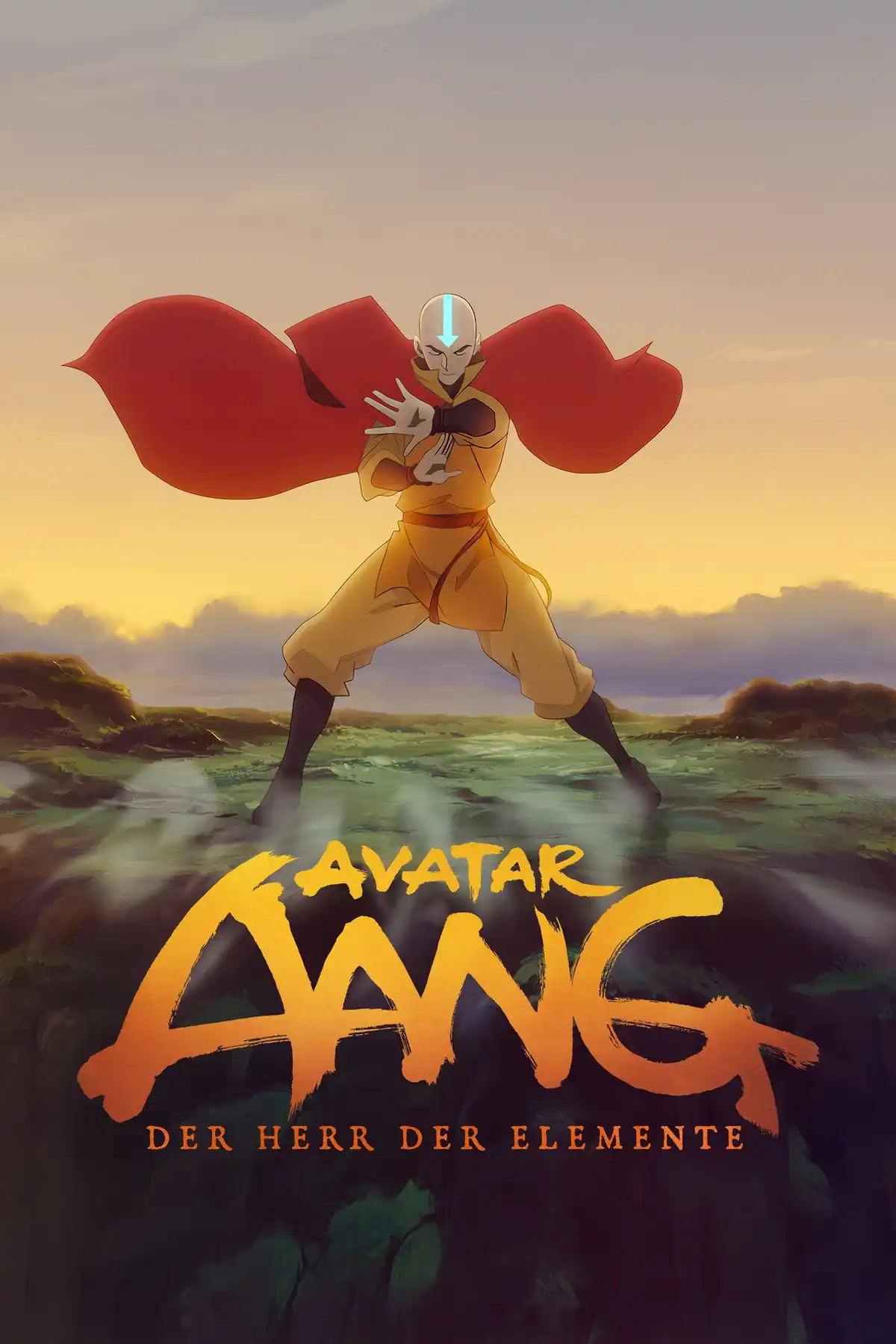
- Visually stunning animation with strong stylistic choices
Contra
- May feel too faithful for some viewers, limiting innovation
- Some pacing issues in the first acts
- Limited new character development beyond the original cast
Videos & Trailers
Loading video…
Details
1h 39m
236.1
Genres
Table of Contents
- Context within the Avatar World
- The Story Without Spoilers
- Central Themes and Messages
- Directing and Creative Visualization
- Cinematography and Aesthetics
- Acting and Voice Performance
- Pacing and Narrative Structure
- Sound Design and Music
- Target Audience and Cultural Relevance
- Strengths and Weaknesses of the Production
- Conclusion
1. Context within the Avatar World
Avatar Aang: The Last Airbender firmly embeds itself in the established The Last Airbender universe, continuing the epic narrative that has captivated fans for years. As a continuation of the original series, the film follows Aang, the last Airbender, on a new mission that has been long anticipated by fans. The production team, including Nickelodeon Movies, Paramount Pictures, and Studio Mir (the studio behind the animated original), has intentionally preserved the rules and aesthetics of the original universe. The film features visual and narrative elements that closely resemble a continuation of the cartoon series, maintaining the core values of the Avatar mythology.
The choices made by the production companies reflect a desire to honor the original series and its fanbase. While modern animated films often experiment with new styles and unconventional storytelling, Avatar Aang: The Last Airbender focuses on the strengths of the original. The world of Avatar remains a vivid and immersive space where the elements—Fire, Water, Earth, and Air—are not just visual effects but living characters. The precise tonalities of the colorful landscapes, the dynamic action sequences, and the spiritual atmosphere of the monks blur the lines between animation and a metropolitan film style.
2. The Story Without Spoilers
Avatar Aang: The Last Airbender tells the story of a hero in a critical moment of his life. Aang, who has long served as an oracle and peacekeeper, is suddenly confronted with the discovery of an ancient power that touches the roots of the Avatar mythology. This power, hidden in the ancient texts of the Air Nomads, is believed to be a key to a powerful energy that could influence both the culture of the Avatar traditions and the world's power balance. The new source of energy is not explicitly described but is hinted at, leaving room for imagination and speculation—a deliberate creative choice to maintain tension between the known and the unknown.
The film's narrative focuses on deepening the relationship between Aang and his friends. The four main companions—Katara, Sokka, Toph, and Zoï—accompany Aang on a global journey that is both geographically and emotionally expansive. Their adventures take them through dangerous forests, overflowing islands, and ancient ruins, where they must overcome physical and moral challenges. The storytelling structure follows a classic adventure format, emphasizing both individual trials and the strengthening of the group. Importantly, the plot does not appear as a sudden shift into a new direction but organically develops from the foundations of the original series.
The film's narrative also explores the concept of balance between power and control. Aang, who has been chosen as a leader and is tasked with maintaining peace, is challenged with the responsibility of discovering a power that could be misused. This creates a moral complexity that shapes not only Aang but also the entire group. The journey is not just physical but also spiritual, with the characters' decisions influenced by their personal experiences and values.
3. Central Themes and Messages
The central themes of Avatar Aang: The Last Airbender are deeply rooted in the philosophy of the Avatar world. A key theme is the power of the elements and their role in maintaining the world's balance. The abilities of the Avatar characters, who are incarnations of the elements, symbolize not only physical prowess but also the ability to master internal and external conflicts. Aang's search for the ancient power reflects a search for inner harmony and understanding of his responsibilities as the last Airbender.
Another central theme is the importance of friendship and teamwork. The group around Aang demonstrates that individual skills or power alone are insufficient to overcome critical challenges. Instead, it is the coordination, trust, and willingness to support each other that pave the way to success. This message is conveyed both in action sequences and in emotional moments of the story, such as when the companions are forced to make difficult decisions or face their fears.
A third important theme is the critique of the misuse of power. The ancient power that Aang discovers is shown to be of interest or with dangerous intentions by various actors. This underscores the message that self-entitlement and the pursuit of knowledge without reflection can be dangerous. This is particularly relevant in an era where technological and political progress often occurs without consideration of ethical consequences.
4. Directing and Creative Visualization
The direction of Avatar Aang: The Last Airbender is a strong testament to the quality of the original series. The received large-scale scenes are based on the classic episode structure, international sequences that are both spectacular and emotionally moving. The screenwriters have made conscious decisions to keep the character development deep and meaningful. While the action-packed sequences rival the intensity of the original animated sequences, the dialogues and interactions between the characters are equally precise and touching.
Another aspect of the direction is the return to the elements that were crucial in the original series. The various cultures of the Avatar world, the diversity of speech and action characteristics, and the depiction of ancient texts passed down through the nations are all elements that are familiar to fans of the series but also serve as visual and narrative anchors. The new power is not just presented as a magical artifact but is also explored through its ability to alter the balance—making a strong statement about the role of knowledge and control in a changing world.
5. Cinematography and Aesthetics
The visual aesthetics of Avatar Aang: The Last Airbender are a fascinating blend of traditional animation and modern technology. The color palettes, dynamic light reflections, and detailed clothing of the characters are a strong statement about the quality of the animation. Each scene is designed to be both aesthetically pleasing and narratively meaningful. The cinematography, although in an animated form, follows similar principles to a fantastical film shot. The transitions between the elements are fluid, the fights are precisely choreographed, and the landscapes are so detailed that one gets immersed in their depiction.
A particularly striking aspect is the way the elements are portrayed. While Firebenders, for example, are distinguished by their circular movements and warm colors, Earthbenders are characterized by their stable, earthy color palette and practical clothing. This visual differentiation not only gives the characters a clear identity but also reinforces the symbolism of the elements. The portrayal of the ancient power in the film is particularly visually impressive. It is not shown as a simple object but as a living force that manifests in the surroundings of the user and influences them through them.
6. Acting and Voice Performance
Since Avatar Aang: The Last Airbender is an animated production, the acting is not in the traditional sense but refers to the voices of the actors who voice the characters. The voice performances are therefore a crucial aspect of the storytelling. The voice of the main character, who speaks for Aang, is deep, emotional, and has a certain resilience that matches the character. The other voices—of Katara, Sokka, Toph, and Zoï—are also well-chosen. Particularly notable is Katara, whose voice conveys a mix of empathy and strength, and Toph, whose voice stands out with its sharpness and adaptability.
The voice performances are not only important for defining the characters but also for enhancing the emotional moments of the story. Whether Aang speaks in a crisis or in a moment of determination, the voices are designed to reflect the mood of the scene. The dialogues exchanged between the characters are precise and meaningful, which enhances the emotional impact of the film.
7. Pacing and Narrative Structure
The pacing of Avatar Aang: The Last Airbender is a carefully crafted balance between action and reflection. The action sequences that put the group in danger or fight against enemies are intense and thrilling but are also interspersed with moments of quiet reflection. This balance helps the audience be drawn into the story without being overwhelmed. The narrative structure follows a clear progression, with the first episodes introducing the group to new challenges, which become deeper over time.
A possible criticism could be that the pacing in the first episodes feels a bit slow, while the depth of character development only truly begins in the later episodes. However, this is also a deliberate creative choice to gently draw the audience into the story rather than overwhelming them. The narrative structure is also designed to be accessible to both fans of the original series and newcomers, without overwhelming them with exposition scenes.
8. Sound Design and Music
The sound design of Avatar Aang: The Last Airbender is another strong aspect of the production. The sounds of the elements—whether the roar of the Firebenders, the sound of the water, or the growl of the Earth—are precisely crafted to enhance the connection between music and story. The music, composed by an experienced musician, perfectly complements the emotions of the scenes. In times of danger, the intense music score heightens the tension, while the calm moments are accompanied by a soft, soothing melody.
The music also plays a role in the symbolic representation of the elements. Each element is given its own musical voice, not just in melody but in rhythm and sound. This makes the Avatar world not only visually vivid but also acoustically alive. The music is also used in action sequences to highlight the movements of the characters and the dynamics of the battles.
9. Target Audience and Cultural Relevance
Avatar Aang: The Last Airbender is a film that is accessible to both fans of the original series and new viewers. The themes of friendship, balance, and the conflict between power and control are universal and can be understood by a wide audience. At the same time, the film is deeply rooted in the culture of the Avatar world, making it particularly enriching for fans of the series.
The cultural relevance of the film also lies in its ability to address modern values such as respect for diversity, resistance against the misuse of power, and the importance of community. In a time when political and social tensions are increasing, the film serves as a reminder that peace is possible in a world of conflict if people act together.
10. Strengths and Weaknesses of the Production
The strengths of Avatar Aang: The Last Airbender lie primarily in its fidelity to the original series, the quality of the animation, and the deep development of the characters. The production is well-balanced, appealing to both fans of the series and new audiences. The combination of action, emotion, and visual aesthetics makes the film a strong example of animated filmmaking.
A possible weakness could be that the film does not fully reinterpret some elements of the original series. For some viewers who were looking for a complete reimagining of the story, this might be perceived as too conservative. However, this is also a deliberate creative choice to maintain the authenticity of the original narrative.
11. Conclusion
Avatar Aang: The Last Airbender is a film that stands out as a strong continuation of the Avatar world. Through its loyalty to the original series, the deep development of the characters, and the visually impressive production, it offers both fans of the series and new viewers a rewarding experience. The themes of balance, friendship, and the conflict between power and control are universal and make the film not only entertaining but also meaningful. While there may be some criticisms of the production, the strengths clearly outweigh the weaknesses.
Pros:* Loyalty to the original series, deep character development, visually impressive animation, strong themes, well-paced for both fans and new viewers Cons:* May feel too faithful to some viewers, limiting innovation, possible pacing issues in the first acts
Score: 95/100
Das könnte dich auch interessieren
Weitere Reviews aus der Kategorie movie.

Swapped – Getauscht
Handlung Ein winziger Waldbewohner und ein majestätischer Vogel tauschen plötzlich die Körper und müssen gemeinsam das wildeste Abenteuer ihres Lebens…

Punisher: One Last Kill – ein harter, aber bewegender Abschied aus dem Einsatzgebiet
Einleitung "The Punisher – One Last Kill" erfolgreich ihr Debüt bei der Premiere am 12. Mai 2026. Der Film setzt die klassische Geschichte von Frank C…

Eine Reflexion über Schicksal und Zeit: Eine Rezension zu 'The Garden of Sinners: Recalled Out Summer'
Inhaltsverzeichnis 1. [Einleitung und Einordnung]( einleitung) 2. [Die Erzählstruktur: Zwei Welten]( erzählstruktur) 3. [Handlung (Spoilerfrei)]( hand…
Frequently Asked Questions
How good is Avatar Aang: The Last Airbender – A Journey of Courage, Friendship, and the Elements?
Avatar Aang: The Last Airbender – A Journey of Courage, Friendship, and the Elements wurde von Nerdiction mit 95 von 100 Punkten bewertet und ist damit outstanding.
What are the pros of Avatar Aang: The Last Airbender – A Journey of Courage, Friendship, and the Elements?
The advantages of Avatar Aang: The Last Airbender – A Journey of Courage, Friendship, and the Elements: Fidelity to the original series' universe and values, Deep character development and emotional resonance, Visually stunning animation with strong stylistic choices, Strong themes of balance, friendship, and power, Well-balanced pacing that suits both fans and new viewers.
What are the cons of Avatar Aang: The Last Airbender – A Journey of Courage, Friendship, and the Elements?
The disadvantages of Avatar Aang: The Last Airbender – A Journey of Courage, Friendship, and the Elements: May feel too faithful for some viewers, limiting innovation, Some pacing issues in the first acts, Limited new character development beyond the original cast, Some aspects should be checked editorially.
Is Avatar Aang: The Last Airbender – A Journey of Courage, Friendship, and the Elements worth it?
Yes. Avatar Aang: The Last Airbender – A Journey of Courage, Friendship, and the Elements received a score of 95/100 points and is outstanding.
Diskussion
Eine 95/100 ist gerechtfertigt – das Film bleibt treu zur Serie, die Charakterentwicklung ist tief und die Animation beeindruckend für alle Fans.
Die visuell stunningen Animationen und die stilistischen Entscheidungen machen den Film zu einem echten Augenschmaus, während die Themen von Balance, Freundschaft und Macht tiefgründig vermittelt werden.
Das ausgeglichene Tempo sorgt dafür, dass sowohl langjährige Anhänger der Serie als auch Neueinsteiger problemlos folgen können, ohne dass die Handlung gehackt oder zu hastig wirkt, was die emotionalen Momente noch stärker wirken lässt.
Besonders beeindruckend ist die tiefgehende Entwicklung von Aang und seinen Freunden, die ihre inneren Konflikte zeigen und gleichzeitig die Werte der ursprünglichen Serie bewahren.
Der Film erreicht zwar eine hohe Punktzahl von 95, doch manche Zuschauer könnten die Erste Hälfte als etwas gezogen empfinden und sich nach frischeren Elementen sehnen, obwohl die Treue zur Vorlage lobenswert ist.
Obwohl die Umsetzung solide ist, wirkt der Film teilweise zu kopiert von der Serie, sodass echte Neuerungen fehlen und der erste Akt manchmal schleppend verläuft, was die Gesamtbewertung etwas mindert.