The Verdict
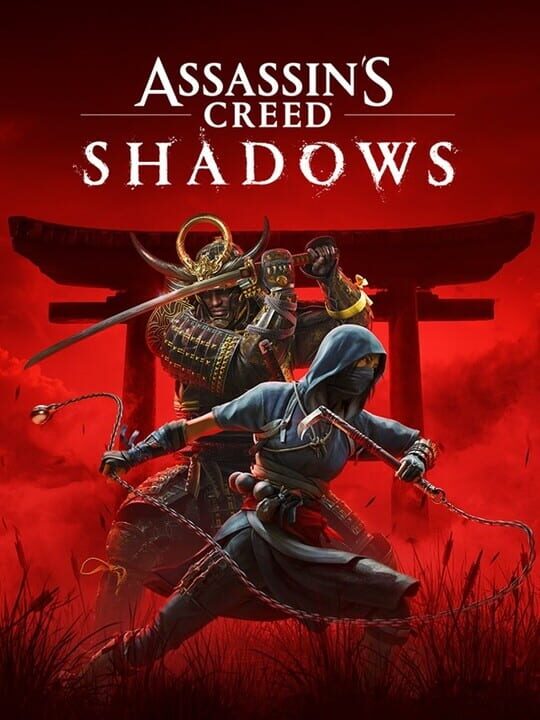
The Nerdiction verdict: Assassin's Creed Shadows: A Masterpiece Between Bushido and Shadows is excellent and receives 87 out of 100 points.
Pro
- Authentic and atmospherically dense feudal Japan setting
- Innovative dual-protagonist system with unique playstyles
- Outstanding graphics and detailed world design
Contra
- Occasional performance drops in densely populated areas
- Some side quests feel repetitive
- Long loading times when switching characters
Videos & Trailers
Loading video…
Loading video…
Loading video…
Loading video…
Loading video…
Assassin's Creed Shadows Review
Table of Contents
- Introduction
- Story and Setting
- Gameplay Mechanics
- Characters and Duality
- Open World and Exploration
- Graphics and Presentation
- Conclusion
Introduction
After years of anticipation, Ubisoft has finally delivered what Assassin's Creed fans have been demanding: an authentic Japanese setting in the feudal era. Assassin's Creed Shadows transports us to the 16th century, an era of upheaval and bloody conflicts where honor and betrayal walk hand in hand.
Story and Setting
Feudal Japan proves to be the perfect backdrop for the millennia-old feud between Assassins and Templars. The developers have meticulously researched and created a world that is both historically authentic and narratively captivating. The Sengoku period, with its endless wars between rival daimyo, provides the ideal framework for a story about power, betrayal, and the eternal quest for freedom.
The narrative skillfully weaves historical figures with familiar AC mythologies. Particularly impressive is the portrayal of social hierarchies and political intrigues that defined Japan of this era.
Gameplay Mechanics
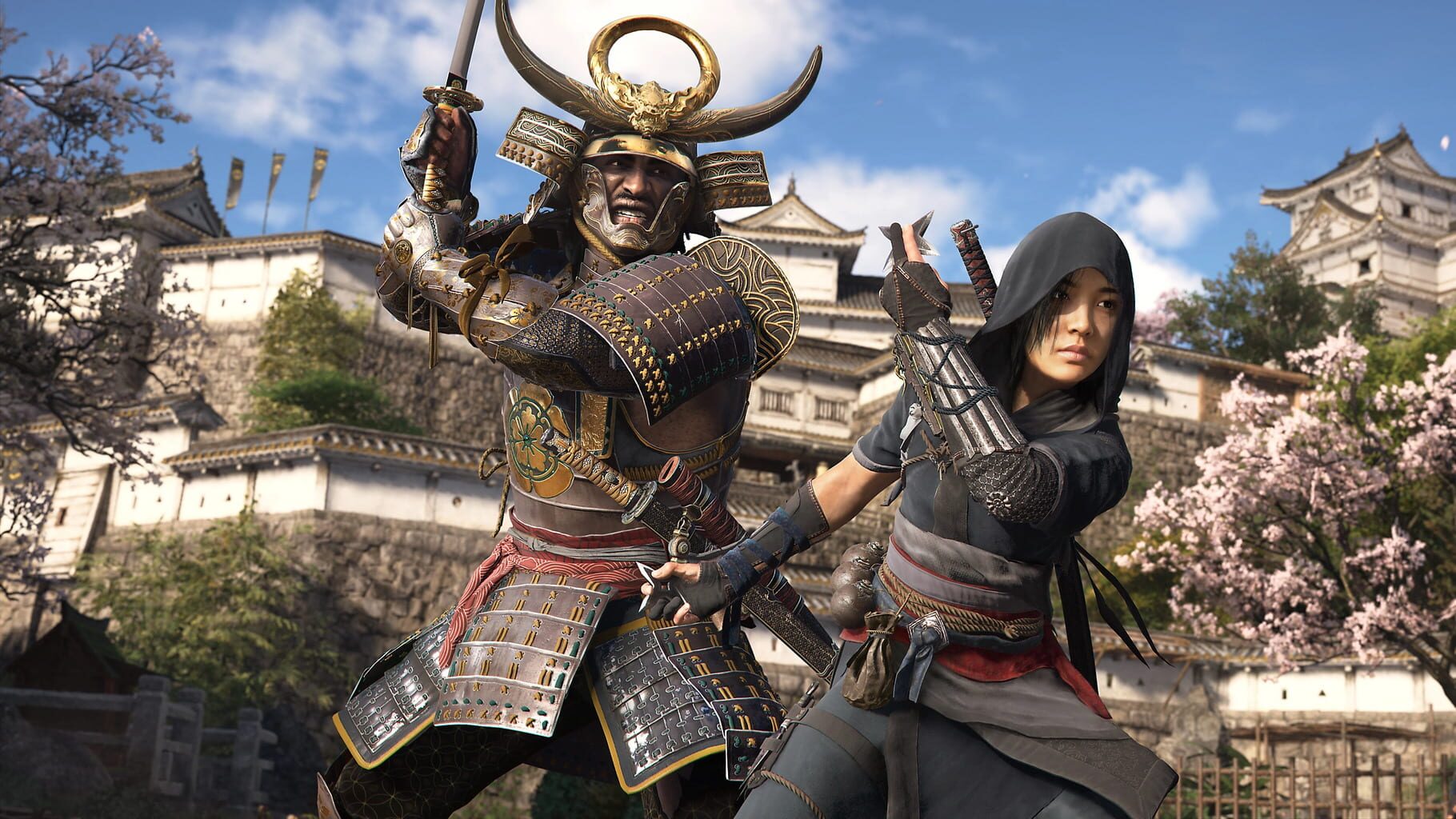
Shadows revolutionizes the Assassin's Creed formula through its innovative dual-protagonist system. The seamless switching between the agile shinobi assassin and the powerful samurai opens up completely new strategic possibilities. Each character features unique abilities, weapons, and movesets that enable different approaches to missions.
Stealth mechanics have been significantly refined. As a shinobi, you utilize shadows, smoke, and the vertical architecture of Japanese buildings to your advantage. The combat system as a samurai feels weighty and precise, focusing on timing and katana techniques.
Characters and Duality
The two protagonists couldn't be more different, and therein lies the game's strength. The shinobi embodies classic Assassin virtues: speed, precision, and working from the shadows. The samurai represents honor, direct confrontation, and the power of conviction.
Their evolving partnership forms the emotional heart of the story. Character development is nuanced, showing both figures as complex individuals with their own motivations and weaknesses.
Open World and Exploration
The Japanese landscape is breathtakingly designed. From mist-shrouded mountains to bustling cities – each region tells its own story. The world feels alive with dynamic weather systems and a day-night cycle that isn't merely cosmetic but has real gameplay implications.
Particularly noteworthy is the hideout system. The ability to build and customize your own ninja hideout gives the game a personal touch and long-term motivation.
Graphics and Presentation
Visually, Shadows is an absolute feast for the eyes. The attention to detail shows in every cherry blossom petal, temple architecture, and kimono pattern. The lighting is particularly impressive and significantly enhances the atmospheric density.
The soundtrack merges traditional Japanese instruments with familiar AC orchestration into an emotional masterpiece that perfectly matches the game's mood.
Conclusion
Assassin's Creed Shadows is not only a worthy addition to the AC series but sets new standards for historical action-adventures. The successful blend of authentic setting, innovative gameplay mechanics, and captivating story makes it a must-play for genre fans. Despite minor technical issues, Ubisoft delivers their most ambitious and atmospherically dense Assassin's Creed to date.
System Requirements
Minimum
Recommended
Das könnte dich auch interessieren
Weitere Reviews aus der Kategorie game.

Forsaken Realms: Vahrin's Call Review: Ausführlicher Test
Inhaltsverzeichnis Einleitung Gameplay, Spielgefühl und Kernsysteme Welt, Struktur, Umfang und Wiederspielwert Technik, Präsentation, Kritik und Fazit…
Lootbound im Test – Taktik, Loot und dunkle Fantasy
Inhaltsverzeichnis [Einleitung]( einleitung) [Story & Erzählung]( story und erzaehlung) [Gameplay & Mechaniken]( gameplay und mechaniken) [Grafik & Pr…
Ranger’s Path: National Park Simulator – Ein tiefgehender Review
Inhaltsverzeichnis\n [Einleitung]( einleitung)\n [Gameplay & Mechaniken]( gameplay mechaniken)\n [Grafik & Sound]( grafik sound)\n [Benutzeroberfläche…
Frequently Asked Questions
How good is Assassin's Creed Shadows: A Masterpiece Between Bushido and Shadows?
Assassin's Creed Shadows: A Masterpiece Between Bushido and Shadows wurde von Nerdiction mit 87 von 100 Punkten bewertet und ist damit excellent.
What are the pros of Assassin's Creed Shadows: A Masterpiece Between Bushido and Shadows?
The advantages of Assassin's Creed Shadows: A Masterpiece Between Bushido and Shadows: Authentic and atmospherically dense feudal Japan setting, Innovative dual-protagonist system with unique playstyles, Outstanding graphics and detailed world design, Refined stealth mechanics and fluid combat system, Customization options for your own shinobi hideout.
What are the cons of Assassin's Creed Shadows: A Masterpiece Between Bushido and Shadows?
The disadvantages of Assassin's Creed Shadows: A Masterpiece Between Bushido and Shadows: Occasional performance drops in densely populated areas, Some side quests feel repetitive, Long loading times when switching characters, Complex menu navigation can feel overwhelming initially, Microtransactions for cosmetic items.
Is Assassin's Creed Shadows: A Masterpiece Between Bushido and Shadows worth it?
Yes. Assassin's Creed Shadows: A Masterpiece Between Bushido and Shadows received a score of 87/100 points and is excellent.
Diskussion
Ich habe Assassin's Creed Shadows gerade gespielt und muss sagen, das authentische Japan-Setting ist wirklich beeindruckend. Die Grafik ist top, und das Dual-Protagonist-System gefällt mir sehr.
Die Stealth-Mechaniken sind wirklich verfeinert – ich konnte mich in den Schatten bewegen, ohne entdeckt zu werden. Allerdings stört mich die gelegentliche Performance-Einbruch in den dicht besiedelten Gebieten. Das Spiel lädt zwar schnell, aber beim Charakterwechsel dauert es manchmal zu lange. Trotzdem bleibt die Weltgestaltung detailreich und die Customizing-Optionen für das Shinobi-Versteck ein Highlight.
Hat jemand bemerkt, dass die Mikrotransaktionen für kosmetische Gegenstände wirklich unnötig sind? Ich finde, das Spiel könnte ohne sie genauso gut laufen.
Als langjähriger Assassin's Creed Fan war ich begeistert von der neuen Dual-Protagonist-Mechanik. Ich konnte sowohl als Samurai als auch als Shinobi spielen, was das Gameplay abwechslungsreich machte. Die Nebenquests waren zwar manchmal repetitiv, aber die Hauptstory hielt mich fesselnd. Insgesamt ein solides 87/100, das ich jedem empfehlen würde.
Die Grafik ist atemberaubend, aber die Ladezeiten beim Charakterwechsel sind wirklich frustrierend.
Ich finde die Performance-Einbrüche in dicht besiedelten Gebieten ärgerlich, aber die detailreiche Welt und das flüssige Kampfsystem machen das Spiel insgesamt sehr unterhaltsam. Der Score von 87 erscheint mir angemessen.
Die Customizing-Optionen für das eigene Shinobi-Versteck sind ein echter Pluspunkt – ich habe Stunden damit verbracht, die perfekte Basis zu bauen. Trotzdem finde ich die Menüführung etwas kompliziert, besonders wenn man gleichzeitig die verschiedenen Waffen und Fähigkeiten verwalten muss. Die Mikrotransaktionen für kosmetische Gegenstände sind zwar optional, aber sie wirken fast wie ein Druck, etwas zu kaufen, um das Aussehen zu verbessern. Trotzdem bleibt das Spiel ein Meisterwerk.
Hat jemand die langen Ladezeiten beim Charakterwechsel schon optimiert? Ich habe das Gefühl, es dauert immer länger, je mehr Gegner in der Nähe sind.