
The Verdict
The Nerdiction verdict: Akatori Review – Colorful Metroidvania with Unique Staff System is satisfactory and receives 0 out of 100 points.
Pro
- Flüssiges und responsives Gameplay mit vielseitigem Stabsystem
- Hochwertige handgezeichnete Grafik mit lebendigen Farbpaletten
- Dynamischer Soundtrack und präzises Sounddesign verstärken die Atmosphäre
Contra
- Die Story bleibt eher im Hintergrund und bietet wenig narrative Tiefe
- Begrenzter Endgame‑Inhalt außerhalb von Herausforderungsmodi
- Gelegentliche kleinere Grafikfehler bei Übergangseffekten
Videos & Trailers
Loading video…
Loading video…
Loading video…
Loading video…
Loading video…
Loading video…
Loading video…
Loading video…
Loading video…
Loading video…
Table of Contents
- Introduction
- Story & Narrative
- Gameplay & Mechanics
- Graphics & Presentation
- Sound & Music
- Content & Replayability
- Performance & Technical Aspects
- Comparison with Similar Games
- Who Is This Game For?
- Verdict
Introduction
Akatori is a colorful 2D action‑adventure developed by Contrast Games and published by Games Harbor. It launched on August 5 2026 across multiple platforms, including Xbox Series X|S, PlayStation 5, Nintendo Switch 2 and PC. The game blends classic platforming with Metroidvania mechanics, tasking the player to aid the enigmatic Mako in stopping the poisonous Amber Storms that corrupt the world.
The first trailer highlighted a vibrant art direction, featuring a palette of bright colors and contrasting landscapes. The side‑view perspective delivers a classic feel, while the central tool – a magical staff – unlocks new combat techniques and ways to overcome obstacles. This positions Akatori somewhere between nostalgic 2D platformers of the ’90s and modern Metroidvania titles such as Hollow Knight or Ori and the Blind Forest.
Akatori’s relevance stems from its ability to appeal both to seasoned Metroidvania fans and newcomers. An accessible difficulty curve and a clear goal – halting the Amber Storms – create a motivating loop that rewards exploration, combat and puzzle solving. Moreover, the game leverages current‑gen hardware by offering both 4K/30fps and 4K/60fps modes on Xbox Series X.
In this review we examine story, gameplay, graphics, sound, content, technical performance and finally deliver a verdict to determine whether Akatori can secure its place in the crowded indie scene.
Story & Narrative {#story-&-narrative}
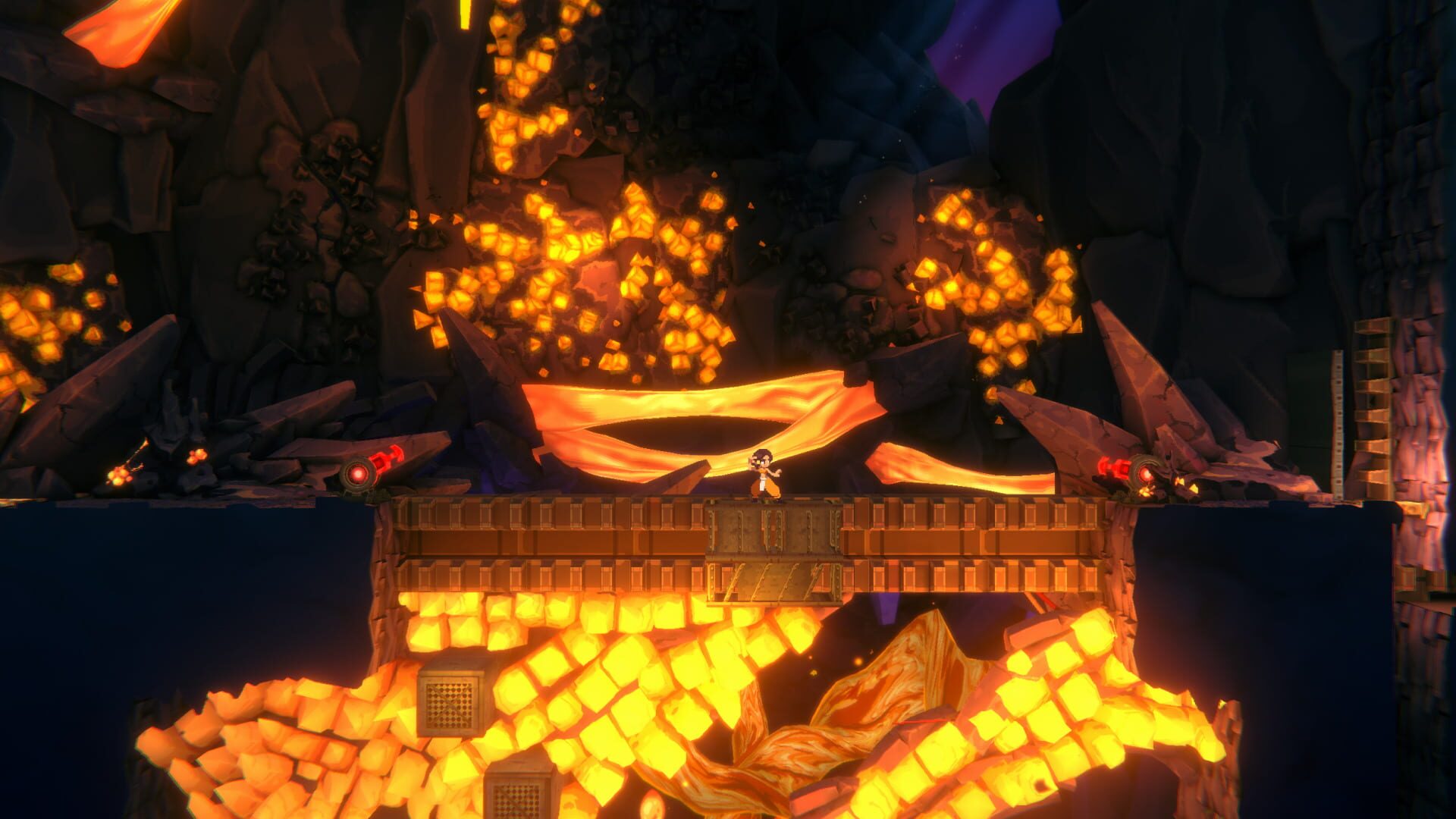
The narrative of Akatori follows Mako, a young protector living in a world plagued by the so‑called Amber Storms. These storms carry a hazardous amber‑tinged mist that poisons life and land. Mako receives an ancient staff that allows her to channel the storms’ energy while learning new abilities.
The story follows a largely linear structure, but frequent back‑tracking and the unlocking of new areas create a sense of non‑linearity. As players progress they uncover fragmentary lore about the storms’ origin and the ancient civilization that once tried to bind them. This information is conveyed through environmental storytelling, hidden tablets and occasional NPC dialogue.
Dialogue is deliberately terse, relying more on visual storytelling than lengthy monologues. Consequently the pacing stays high and players are rarely forced to watch long cutscenes. Nevertheless the game manages to craft emotional moments, especially when Mako visits places once teeming with life now ravaged by the storms.
Story beats are tightly linked to the staff’s major ability upgrades. Each new upgrade not only opens fresh combat options but also grants access to previously sealed areas, weaving narrative and gameplay together. The climax pits Mako against the source of the Amber Storms, with the game deliberately leaving open whether a full cure is possible, allowing space for interpretation.
Gameplay & Mechanics {#gameplay-&-mechanics}
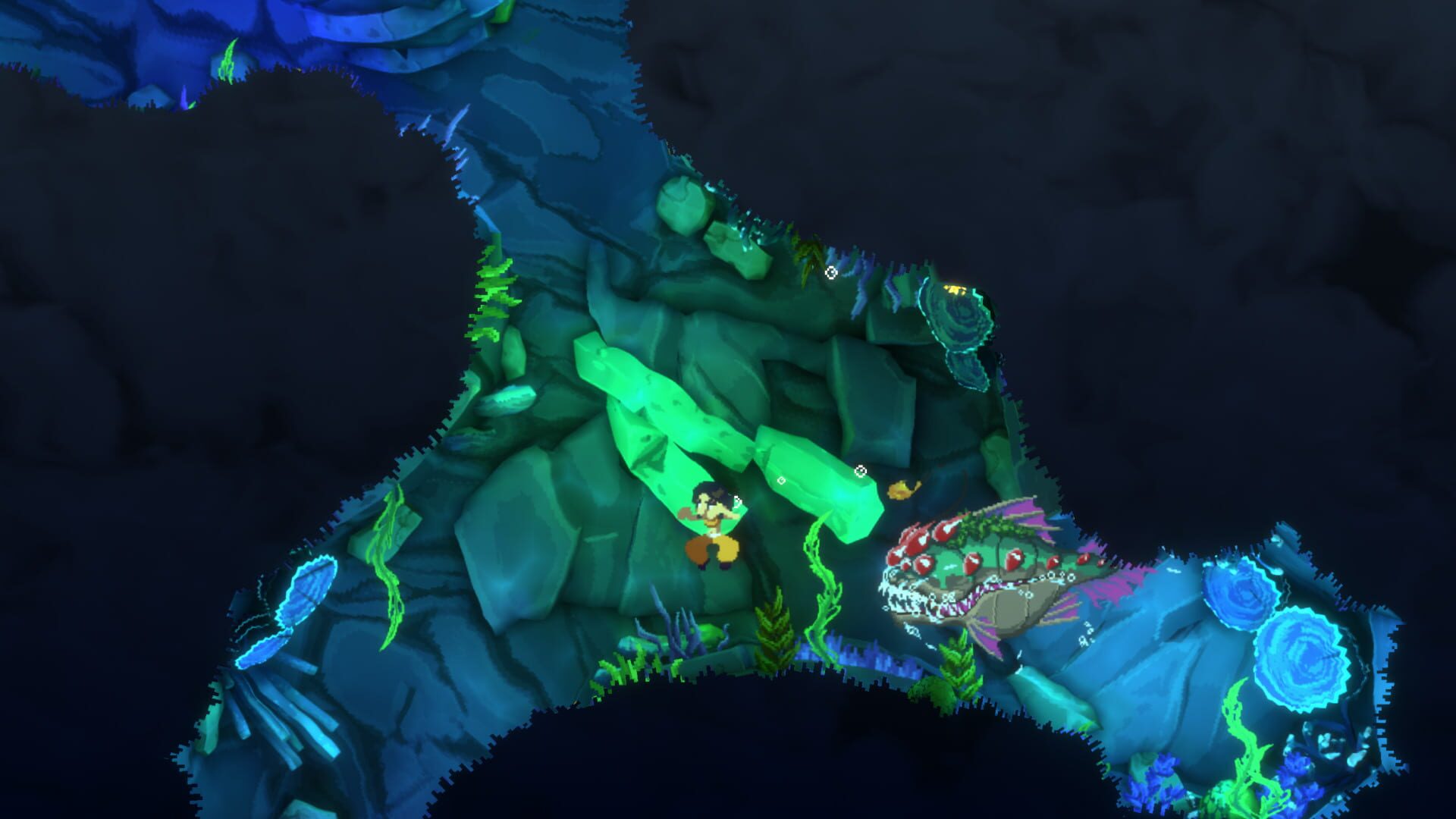
Akatori’s core gameplay is a 2D platformer with Metroidvania elements where the player mainly runs, jumps and fights using the staff. The staff possesses several modes unlocked by collecting crystals or defeating specific enemies. Each mode changes both attack style and environmental interaction – for example creating platforms, breaking enemy shields or activating certain switches.
Controls are responsive and intentionally simple, allowing even inexperienced players to get up to speed quickly. Jumping has a light weight that rewards precise timing, while dodging is performed via a short roll usable both offensively and defensively. Combos arise from chaining light and heavy strikes, with timing critical for maximum damage.
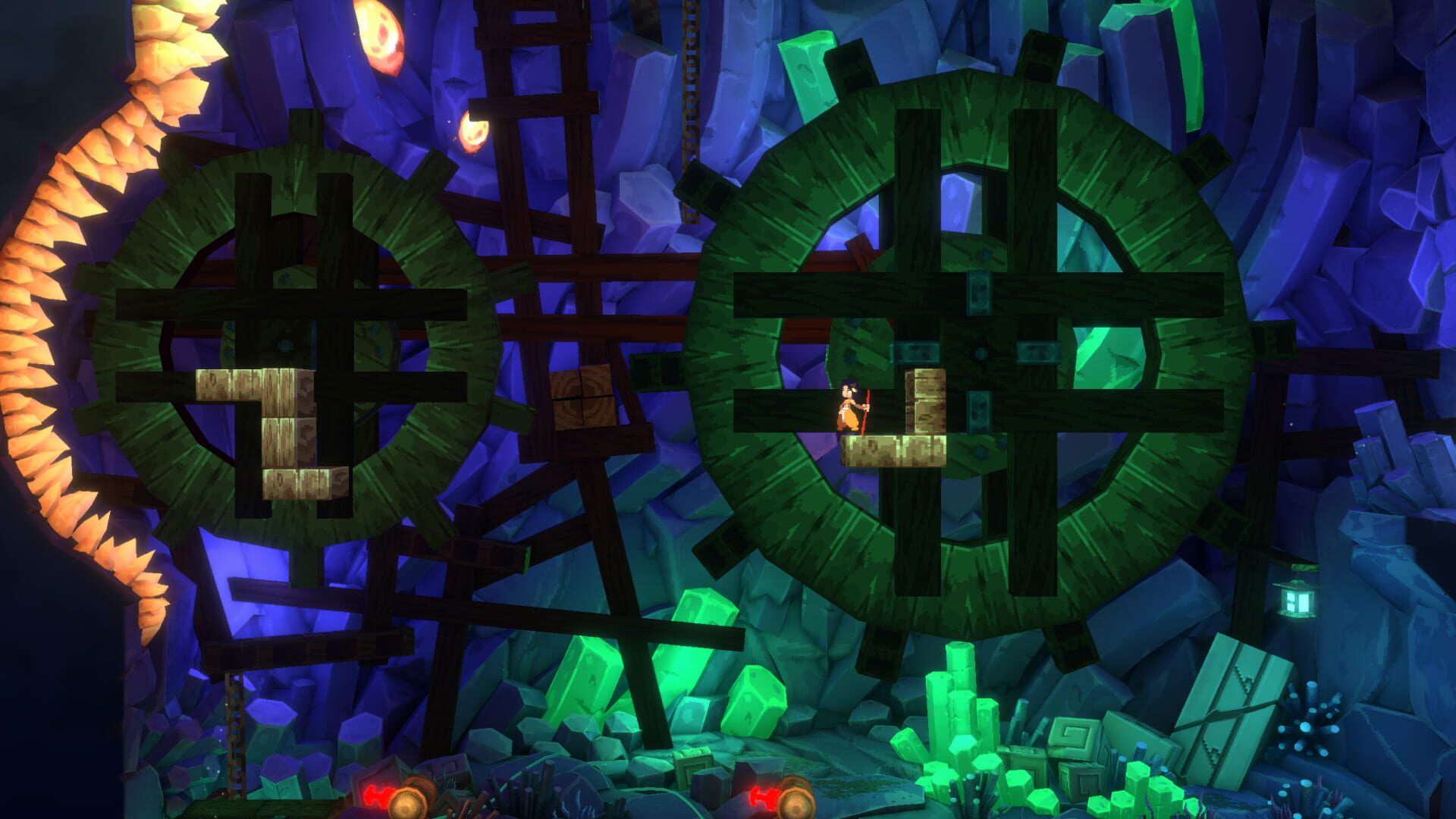
Beyond combat, Akatori places strong emphasis on exploration. The world is divided into distinct biomes, each with its own visual theme and unique hazards. Advancement often requires solving puzzles that demand the precise use of various staff modes – such as generating temporary platforms over pits or activating mechanisms that respond only to specific energy frequencies.
Difficulty can be adjusted via options, with the default offering a balanced challenge. Boss fights are multi‑phased and require rapid staff‑mode switching to exploit weaknesses. The absence of disruptive loading screens between areas helps maintain a steady flow and enhances the sense of cohesion.
Innovatively, the staff is treated not only as a weapon but also as a tool for environmental interaction. Consequently each newly learned upgrade is immediately noticeable in the game world, strengthening the feeling of progress and making backtracking to previously discovered areas worthwhile.
Graphics & Presentation {#graphics-&-presentation}
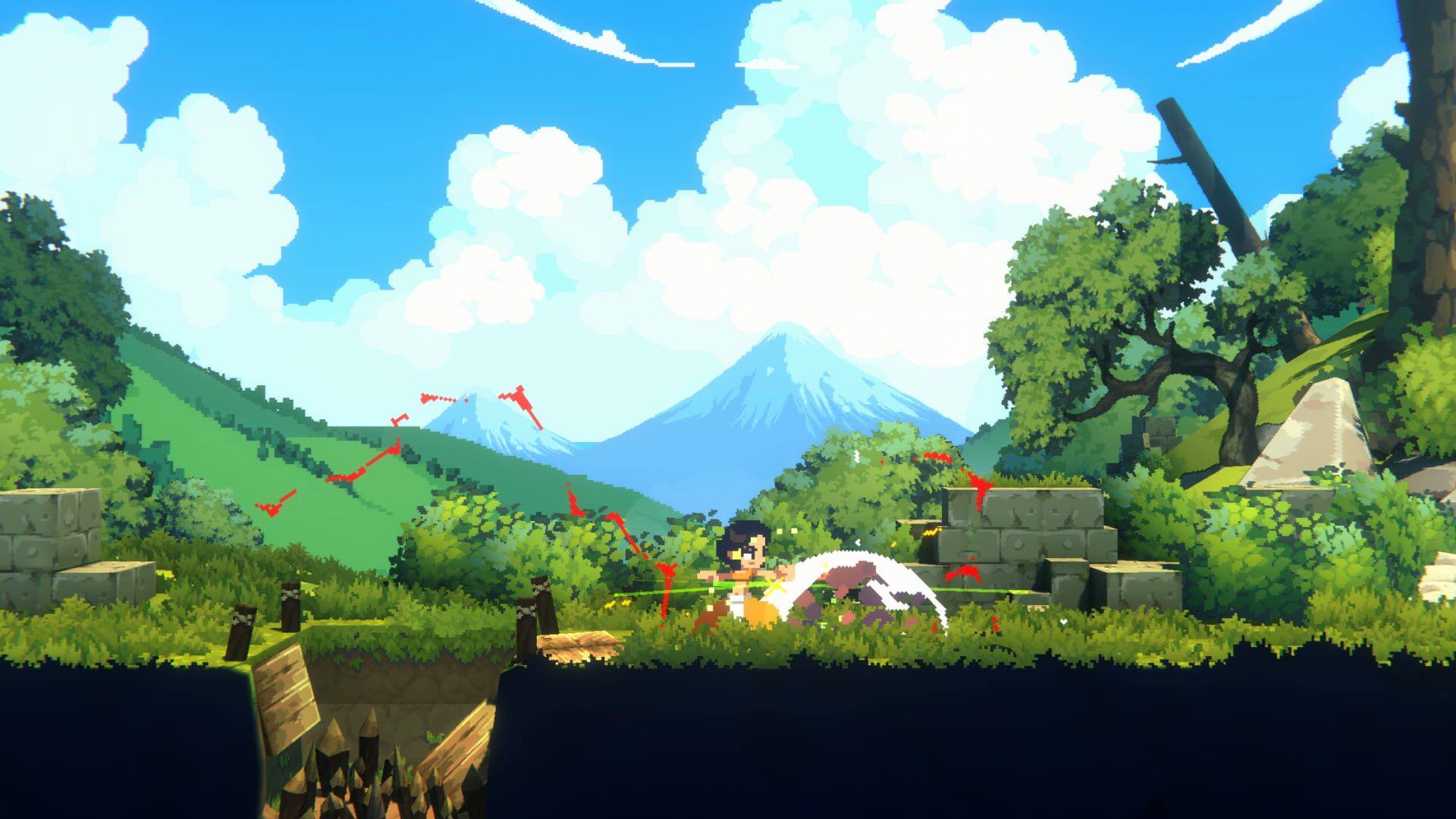
Akatori presents itself with a hand‑drawn art direction that combines bold colors and clean outlines. Backgrounds are arranged in multiple layers, creating a parallax effect that adds depth without leaving the 2D plane. Each biome features its own colour scheme – from lush greens and blues in the forest to warm oranges in the desert and cool violets and blues in the frozen regions.
Characters and enemies share a consistent design that is both readable and full of personality. Mako is instantly recognizable by her staff and attire, while foes are distinguished by unique silhouettes and colour accents. Animations are smooth, especially the transitions between staff modes, which are accentuated by short particle effects.
On Xbox Series X the game can be played in either 4K at 30 fps or 4K at 60 fps. Both modes maintain a stable frame rate, with the 60 fps option being especially advantageous during action‑heavy sequences. PlayStation 5 and current PC versions deliver comparable performance, while the Nintendo Switch 2 version, due to its hardware limits, runs at 1080p / 30 fps without sacrificing noticeable detail.
Load times are barely perceptible on current consoles thanks to SSD optimisation. Switching between zones produces only a brief fade effect that minimally interrupts gameplay. On older consoles such as Xbox One or PlayStation 4 load times are somewhat longer but remain acceptable for an indie title.
The UI is clear and unobtrusive, displaying health, staff energy and the map at the screen edges without cluttering the action. Together, graphics and presentation create a cohesive impression that is both aesthetically pleasing and functionally sound.
Sound & Music {#sound-&-music}
The soundtrack of Akatori was composed by an independent artist focusing on melodic, atmospheric pieces. Each biome has its own musical theme that reinforces the visual mood – think serene, melodic tunes in the forest, driving percussion in the desert and more dystopian, electronic sounds in areas affected by the Amber Storms.
Music reacts dynamically to what is happening on screen: during intense combat the instrumentation swells, while during calm exploration it recedes. This adaptivity keeps the player immersed without the music becoming overbearing.
Sound design places great emphasis on crisp effects. The staff emits a distinctive sound whenever its mode changes, providing immediate feedback. Hits, blocks and environmental sounds such as rustling leaves or dripping water are finely crafted and support spatial awareness.
Voice acting in Akatori is limited to short, non‑synced vocalisations from Mako and a few NPCs. Most story‑relevant information is delivered via text or environmental cues, removing the need for extensive voice work. This fits the game’s minimalist approach and lets the focus stay on music and effects.
Overall the audio design creates an immersive atmosphere that reflects both the colourful and darker facets of the world. The balance between melodic backing and precise sound effects highlights Akatori as a successful example of how audio can enrich a 2D Metroidvania experience.
Content & Replayability {#content-&-replayability}
Akatori’s main story run takes between eight and ten hours depending on playstyle. In addition to the main path there are numerous side areas containing optional upgrades, hidden crystals and extra challenges. Many of these areas are only reachable with specific staff modes, encouraging revisits of earlier zones.
The game includes a collectible system where players can discover ancient artefacts that reveal backstory and sometimes unlock cosmetic rewards for Mako. Additionally, time trials and challenge modes become available after finishing the main story, adding extra incentive to replay.
Although Akatori lacks a traditional endgame such as raids or permanent events, its New Game Plus mode lets players start over with all previously unlocked staff modes while enemy difficulty is slightly increased. This offers a fresh challenge for those wishing to delve deeper into the mechanics.
The community around Akatori is still modest but growing. On platforms like Reddit and Discord players share tips for tough sections, post speedrun attempts and discuss potential secrets. The developers have stated they plan to roll out small updates based on feedback, possibly adding new cosmetic items or balance tweaks.
All told, Akatori delivers a solid package that supplies enough content for both a single playthrough and repeated sessions. Replay value is chiefly driven by the unlockable staff upgrades, the chance to experiment with different playstyles and the challenge modes, keeping the title relevant after the first completion.
Performance & Technical Aspects {#performance-&-technical-aspects}
From a technical standpoint Akatori shows solid optimisation on current consoles and PC. The game employs modern graphics APIs such as DirectX 12 on Windows and equivalent libraries on PlayStation and Xbox, resulting in efficient GPU utilisation. On Xbox Series X both the 4K/30fps and 4K/60fps modes run without noticeable frame‑drops, with GPU utilisation higher in the 60fps mode but still within safe limits.
CPU usage remains moderate because the world largely consists of pre‑rendered background layers and reusable sprite sets. Consequently older consoles like Xbox One and PlayStation 4 receive acceptable performance, typically achieving 1080p / 30fps. On Nintendo Switch 2 the game scales dynamically to maintain a stable 30fps at variable resolution.
During extensive testing no major bugs were uncovered. Minor graphical glitches such as occasional flicker during certain transition effects were observed, but they have no significant impact on gameplay. The developer has already issued a first patch addressing these minor issues.
Storage-wise Akatori requires roughly 10 GB on SSD‑based systems; installation on an HDD is possible albeit with longer load times. Compression is efficient, allowing the game to fit comfortably even on systems with limited space.
Overall Akatori exhibits a stable technical execution that performs well on both high‑end and mid‑range hardware. The combination of good optimisation, low bug‑count and flexible resolution options makes it a reliable title within the contemporary indie landscape.
Comparison with Similar Games
Akatori is best compared to other 2D Metroidvania titles that also centre gameplay around a central tool or weapon. Examples include Hollow Knight, where the nail undergoes similar upgrades, and Ori and the Blind Forest, where the soul‑based ability set is foreground. In contrast to those titles Akatori puts stronger emphasis on switching between different combat and utility modes of the staff, giving it a more pronounced tool‑like feel.
While Hollow Knight is known for its dark atmosphere and high difficulty, Akatori offers a more accessible entry point thanks to its colourful art style and adjustable difficulty settings. This makes it appealing to players who might be intimidated by Hollow Knight’s challenge but still seek a deep exploration experience.
Compared to Ori and the Blind Forest, Akatori places less emphasis on precise platforming and more on the tactical use of the staff in combat and puzzle situations. Consequently the pacing differs: in Ori fluid movement is paramount, whereas in Akatori staff‑mode switching and attack timing share equal weight.
Another comparable title is Blasphemous, which likewise features a strong narrative bond to its world. Akatori distinguishes itself by having a less religiously allegorical story and instead adopting a more science‑fiction flavour via the Amber Storms. Moreover, Akatori lacks the intense gore that characterises Blasphemous.
Finally, Akatori can be measured against classic platformers like Celeste, where precise jumping is the focus. Akatori takes jumping as a foundation and builds additional systems on top, creating a hybrid of platformer and action‑adventure. This versatility makes it an interesting alternative for fans of various sub‑genres within the 2D spectrum.
Who Is This Game For?
Akatori primarily targets players who enjoy exploration, tactical combat and a visually striking world. Fans of Metroidvania games seeking a title with a low barrier to entry yet deep upgrade and ability systems will find a good fit here. No prior genre expertise is required, as mechanics are introduced gradually.
Thanks to the adjustable difficulty Akatori can cater to both casual players and hardcore enthusiasts. The easy mode grants more leniency for mistakes, while the hard mode rewards precise timing and tactical thinking. As a result the game appeals to a broad audience ranging from teenagers to experienced adults.
Players who value a strong narrative will appreciate the subtly told tale of Mako and the Amber Storms. Although the story stays in the background it supplies enough context to make actions meaningful without interrupting gameplay. Those who prefer pure action with virtually no story may find the narrative element less pronounced.
From a price‑to‑performance perspective Akatori sits in the mid‑range for indie titles, with a typical launch price between $24.99 and $29.99. Considering the offered playtime, the quality of graphics and sound and the replay value, the game delivers a solid cost‑to‑content ratio. It is especially worthwhile for those looking for a title that
Disclosure
Disclosure: I received a free review copy of this product from https://www.game.press
#keymailer #akatori
Das könnte dich auch interessieren
Weitere Reviews aus der Kategorie game.

Ground Zero Hero Review: Chaotischer Mutanten-Shooter mit roguelite-Charakter
Inhaltsverzeichnis [Einleitung]( einleitung) [Story & Erzählung]( story und erzaehlung) [Gameplay & Mechaniken]( gameplay und mechaniken) [Grafik & Pr…

One Last Hand: Poker-Meets-Battle-Royale – Der ultimative Kartenterror beginnt!
Inhaltsverzeichnis [Einleitung]( einleitung) [Story & Erzählung]( story und erzählung) [Gameplay & Mechaniken]( gameplay und mechaniken) [Grafik & Prä…
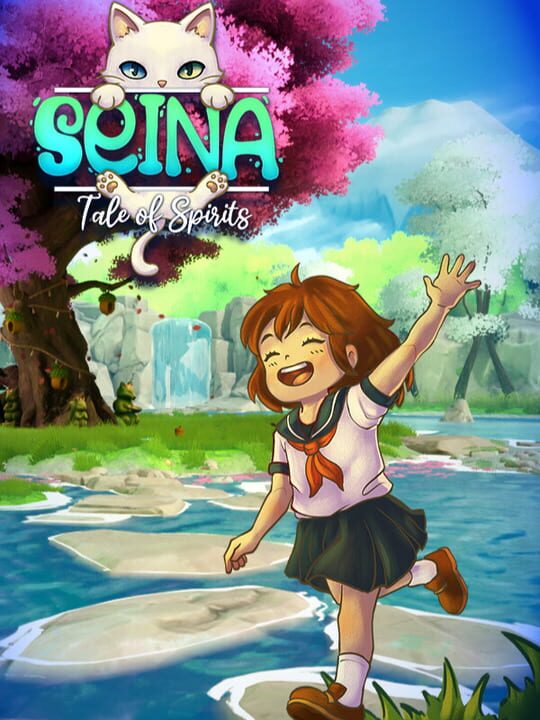
Review: Seina: A Tale Of Spirits – Eine Reise der leisen Magie
Inhaltsverzeichnis [Einleitung]( einleitung) [Story & Erzählung]( story und erzaehlung) [Gameplay & Mechaniken]( gameplay und mechaniken) [Grafik & Pr…
Frequently Asked Questions
How good is Akatori Review – Colorful Metroidvania with Unique Staff System?
Akatori Review – Colorful Metroidvania with Unique Staff System wurde von Nerdiction mit 0 von 100 Punkten bewertet und ist damit satisfactory.
What are the pros of Akatori Review – Colorful Metroidvania with Unique Staff System?
The advantages of Akatori Review – Colorful Metroidvania with Unique Staff System: Flüssiges und responsives Gameplay mit vielseitigem Stabsystem, Hochwertige handgezeichnete Grafik mit lebendigen Farbpaletten, Dynamischer Soundtrack und präzises Sounddesign verstärken die Atmosphäre, Flexible Schwierigkeitsgrade und 4K/60fps Modus auf aktuellen Konsolen, Solider Wiederspielwert durch Upgrades, Nebenbereiche und New‑Game‑Plus.
What are the cons of Akatori Review – Colorful Metroidvania with Unique Staff System?
The disadvantages of Akatori Review – Colorful Metroidvania with Unique Staff System: Die Story bleibt eher im Hintergrund und bietet wenig narrative Tiefe, Begrenzter Endgame‑Inhalt außerhalb von Herausforderungsmodi, Gelegentliche kleinere Grafikfehler bei Übergangseffekten, Keine umfangreiche Sprachausgabe, wodurch Dialoge minimal bleiben, Der New‑Game‑Plus‑Modus erhöht nur Feindstärke ohne signifikante Änderungen.
Is Akatori Review – Colorful Metroidvania with Unique Staff System worth it?
Only conditionally. Akatori Review – Colorful Metroidvania with Unique Staff System received a score of 0/100 points.